



After 12 years at Croatia’s power exchange CROPEX, CEO Ante Mikulić has joined the aggregator KOER.
Ante Mikulić has been with CROPEX since its establishment in 2014. He took over the CEO role in January 2023. KOER launched the first virtual power plant in Croatia back in early 2022.
A similar move – transitioning from a high-ranking position in the public sector to a private company – recently took place in Slovenia as well.
CEO of the country’s state-owned energy utility GEN Energija Dejan Paravan has resigned in October 2025 and joined NGEN.
Mikulić: Last year was a record year for CROPEX
In a LinkedIn post, Ante Mikulić wrote that he is most proud of being part of the CROPEX journey from the very beginning.
He helped establish CROPEX from the ground up, shaping and building the CROPEX brand, and creating a fully operational, reliable market where none existed before.
In addition, CROPEX successfully developed and implemented the clearing house, creating a robust and secure foundation for market operations, the former CEO added.

Mikulić noted that he contributed through several leadership roles — from Head of Market Operations to Head of Business Development, and ultimately serving as CEO.
2025 marked a record year for the company, with more than 18.2 TWh of cleared market volumes and record financial results, he underscored.
“I’m proud to be joining KOER as Head of Power Trading,” Mikulić added.
Aggregators and virtual power plants
Energy Institute Hrvoje Požar (EIHP) recently joined the KOER virtual power plant.
KOER’s virtual power plant, along with eight other providers on the Croatian market – aggregators and network users – provides services to Croatia’s transmission system operator HOPS, EIHP noted.
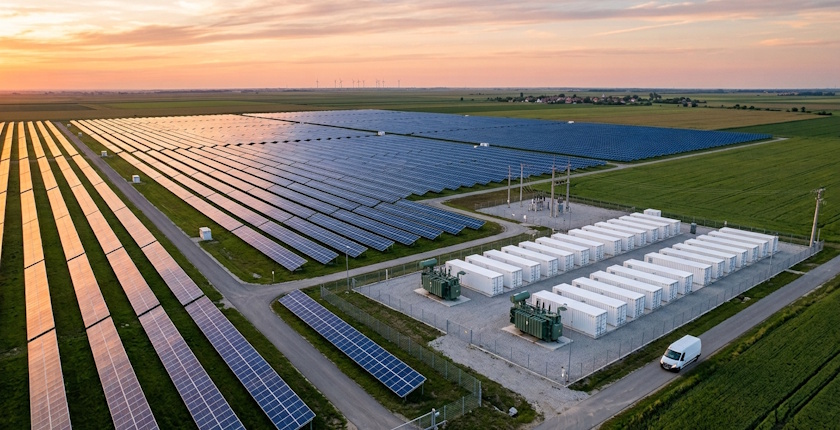
Aggregators are firms that connect multiple small producers, or even large-scale solar power plants or wind farms, with energy consumers capable of reducing or increasing consumption on demand, and with energy storage systems. The result is a virtual power plant.
Such a system can iron out the variability of renewable energy sources – solar or wind, and offer a more predictable energy delivery to the market as well as auxiliary services and on-demand flexibility to the system.
This brings revenue, which is distributed among the members.