


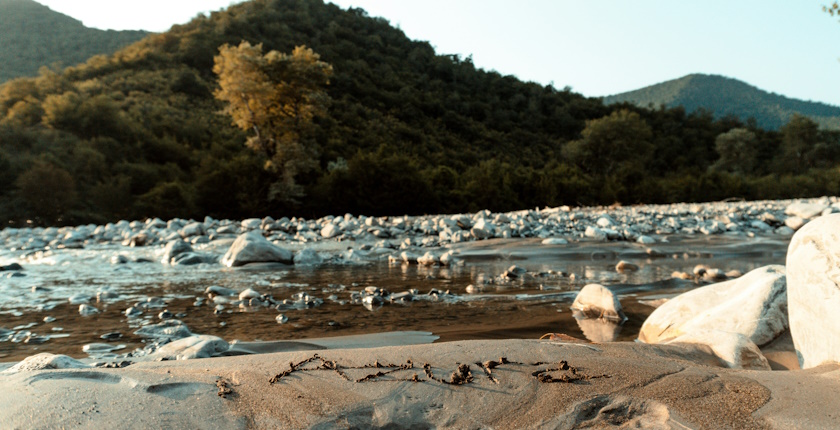
The nuclear power plant shared by Slovenia and Croatia may begin to reduce its capacity utilization because the Danube’s tributary Sava, which cools its reactor, is losing flow. It would further dent the stability of electricity supply in Southeastern Europe. Nuclear power output is dwindling while coal power plants struggle to keep up with demand. The region is increasingly depending on electricity imports and interconnection capacity, while leaning on solar power and energy storage on the home front.
The last remaining reactor of Hungary’s four-unit nuclear power plant Paks is barely working, according to the last official update. It exemplifies the full-blown energy crisis in the entire downstream Danube region. The record drop in the water level has drastically jeopardized nature, agriculture and the economy overall.
Prime Minister Péter Magyar applauded consumers for limiting the load at the most critical point so far, last night. He still warned that the toughest stretch is coming, while noting the indications of some cooling ahead. The 2 GW facility is giving 10% of normal power.
Further down the Danube, state-owned utility Nuclearelectrica and Romania’s political and logistics apparatus are struggling to keep one of the two Cernavodă nuclear plant’s reactors afloat. While it was supposed to be taken offline several days ago, the government opted to fight to keep the unit active.
The Romanian Naval Forces submerged rock-filled barges and detonated explosives at the ancient Pârjoaia underwater rock formation on the Danube. It bought some time for the part of Cernavodă that is still in operation. The two reactors can operate at up to 706.5 MW each.
Conversely, Bulgarian Energy Holding’s nuclear power plant Kozloduy maintained its activity thanks to its structural resilience to hydrological drought stress. The system accounts for up to 2 GW.
Water levels at Krško nuclear plant in Slovenia are nearing minimum
The energy crisis is spreading, and it’s not only because of the issue with the Danube’s water level.
In Slovenia, the Krško nuclear power plant is approaching the limit for safe operation, as the Sava river, one of the Danube’s main tributaries, is near critical lows.
The country is sharing the facility with neighboring Croatia. The Sava connects with the Danube in Belgrade, Serbia’s capital city. NEK, the operator of the Krško nuclear plant, is equally co-owned by Slovenian state-owned GEN Energija and Croatia’s Hrvatska elektroprivreda (HEP Group). The facility has one reactor of 696 MW in net terms.
Montenegro’s Pljevlja coal plant has suffered a crash, unrelated to the hydrological drought in the Danube basin
To make matters worse, unit 6 of Termoelektrarna Šoštanj (TEŠ), the only coal-fired thermal power plant in Slovenia, is down at least until mid-October. In the past few years, the facility owned by state-controlled Holding Slovenske elektrarne (HSE) has been active only during the heating season.
Slovenian media outlet Naš stik reported that some segments of the turbine must be repaired in Germany.
Moreover, the Pljevlja coal plant in Montenegro went offline two days ago because of a crash of the power transmission switchyard.
Serbia’s hydropower and coal power capabilities are dwindling under the Danube’s historic drop.
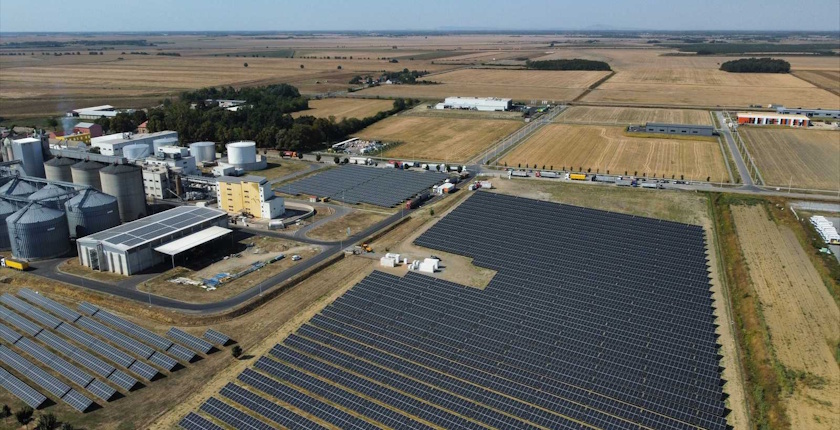
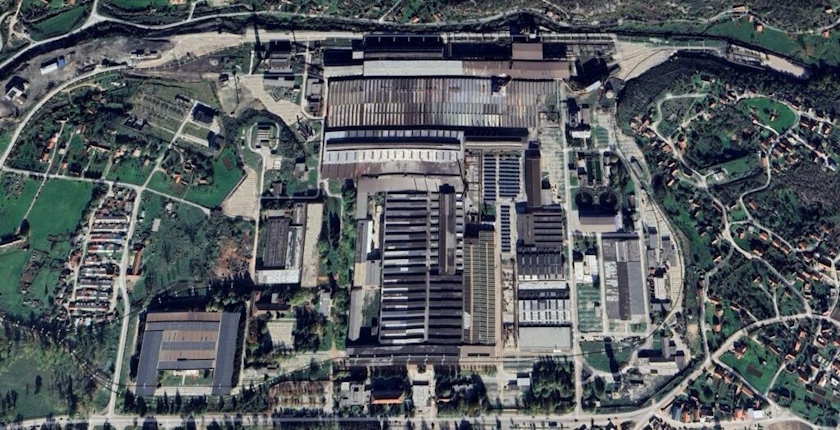
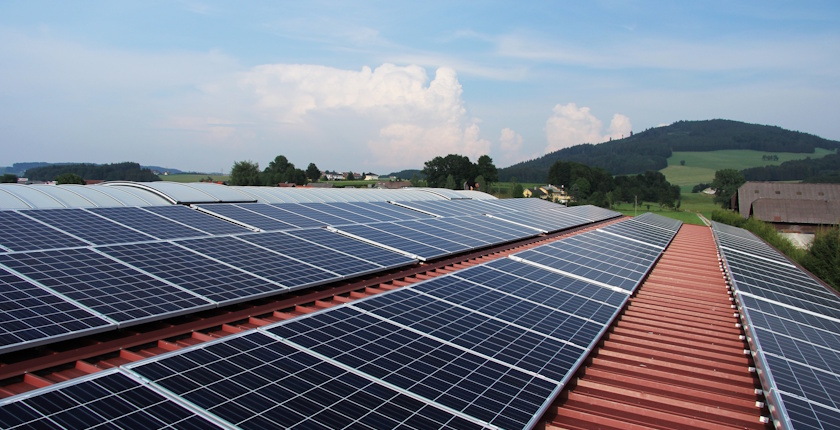
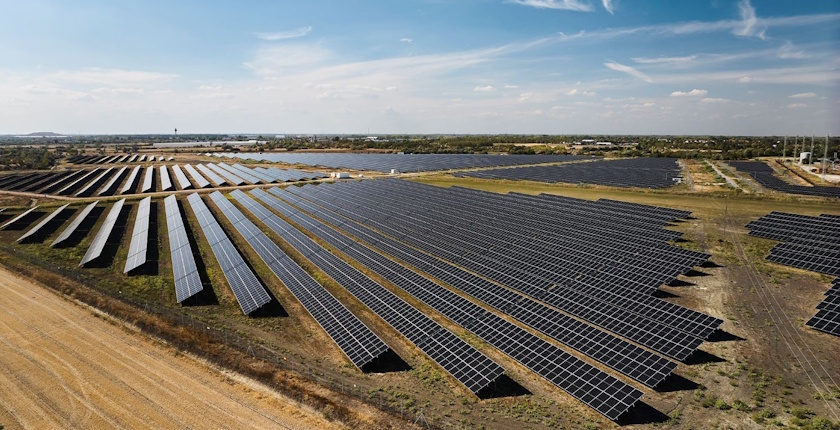
Photovoltaics, battery power, interconnectivity are crucial for power system in Balkans
Supply stability in the region depends more and more on photovoltaics and energy storage. Bulgaria has emerged as the main anchor for both segments in Southeastern Europe.
In battery power, the country is the strongest in the world among mid-sized and larger economies. Neighboring Romania and Greece are accelerating their pace to catch up with Bulgaria.
One other crucial factor in the electricity crisis in the Danube basin is interconnectivity. The overhead lines are also a test for the energy transition in the Balkans. The power systems in the region need to draw enough juice from (or through) Central Europe and from Greece.