


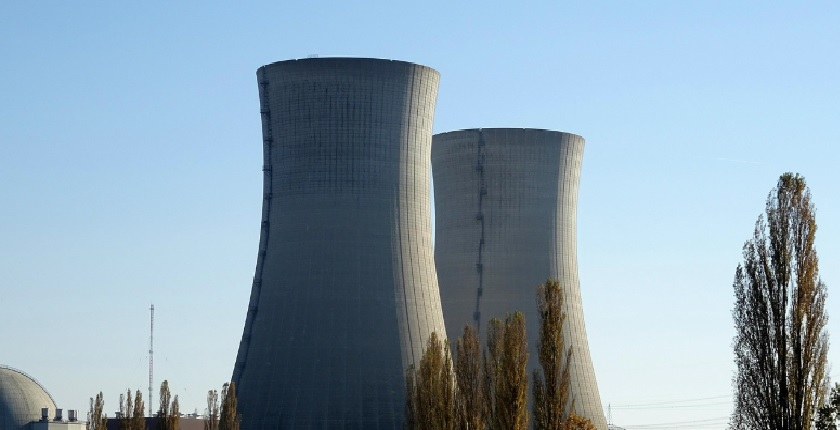
A new study has been published by Athlos Energy and NAC International about the potential development of nuclear energy in Greece, with a focus on fuel.
This comes at a time when the government takes a serious look at this technology for the first time. Two weeks ago, the newly formed intergovernmental committee for nuclear energy convened to begin a formal examination of possible applications and its place in the energy mix. Ministries, industries and academics presented their views ahead of the first official study, to be published two years later.
Athlos Energy and NAC International mentioned in their own assessment that a 1,200 MW nuclear plant could cover about one sixth of Greek power demand. Specifically, production is seen at 9.5 TWh annually.
Fuel cost is estimated at a competitive EUR 8.7 per MWh, altough no calculation is included about the overall, levelized cost of electricity (LCOE) or complete metrics, which include construction, the grid connection and other parameters of the total investment.
The authors also calculated that even 2,000-3,000 MW of capacity in newly built nuclear plants would only amount to about 1% of global nuclear fuel demand, therefore it could easily be provided by the market.
Supply chain and waste management crucial
“The choice of reactor technologies with advanced supply chains would minimize risks for a country that takes its first steps into the sector,” said Tony Williams, a nuclear fuel specialist in NAC International.
When it comes to the fuel supply chain, potential investors are encouraged to contact multiple suppliers in a timely manner, to eventually sign long-term contracts under the best possible price.
Last but not least, nuclear waste management will require a national strategy from day one. In this case, best practices from more advanced European countries, such as Finland, Sweden and France, can be utilized.
The study is now in the hands of the intergovernmental committee, ahead of the following meetings scheduled to take place this year and next.