


The summer in Europe was defined by extreme heatwaves and dry conditions, with a record 52% of the continent exposed to very strong heat stress, C3S said. Rivers experienced their lowest summer flows since the start of detailed tracking in 1992. Air was the hottest ever on much of the continent, and in particular in its west, while record and near-record sea-surface temperatures were observed.
Persistent and exceptional heat across Europe has led to the continent’s third warmest summer on record, and warmest on record for western Europe, according to new data from the Copernicus Climate Change Service (C3S), run by the European Centre for Medium-Range Weather Forecasts (ECMWF), and the Copernicus Emergency Management Service (CEMS).
Summer-like conditions arrived unusually early in parts of the continent, as the first major heatwave hit large parts of western Europe in late May with exceptionally warm conditions persisting throughout the summer.
Western Europe hit by warmest summer ever
Heat stress – an indicator of how different thermal environments affect the human body, exposing people to severe health risks, including heatstroke – was widespread across Europe. Namely, 52% of the continent was exposed to conditions categorized as at least very strong by the end of the season. It implies feels-like temperatures of 38 degrees Celsius or more.
Western Europe experienced its warmest summer on record, with an average temperature of 21.7 degrees. It was 2.5 above the 1991–2020 average, surpassing the previous record set in 2003. Record-breaking daily temperatures also occurred in May and September.
The impacts were felt in water availability, energy systems, transport, ecosystems and health
There were 17 days with at least 60% of western Europe experiencing temperatures above 30 degrees, compared with 11 in 2003 and seven in 2025.
“Europe experienced a summer of compounded climate extremes in 2026. Record heat stress, widespread dry conditions, exceptionally low river flows, and unusually warm seas occurred together across large parts of the continent. The consequences extended far beyond temperature records, affecting water availability, energy systems, transport, ecosystems and human health. As the climate continues to warm, events like these underscore the importance of building resilience to increasingly interconnected climate risks,” said ECMWF’s Strategic Lead for Climate Samantha Burgess.
Wildfires two times more widespread than average
The persistent dry conditions and repeated heatwaves that defined Europe’s summer season contributed to an exceptionally active wildfire season. According to the European Forest Fire Information System, by September 2, the area burned across the European Union was almost twice the 2006-2025 average for that time of year, with particularly extensive activity in Spain and France.
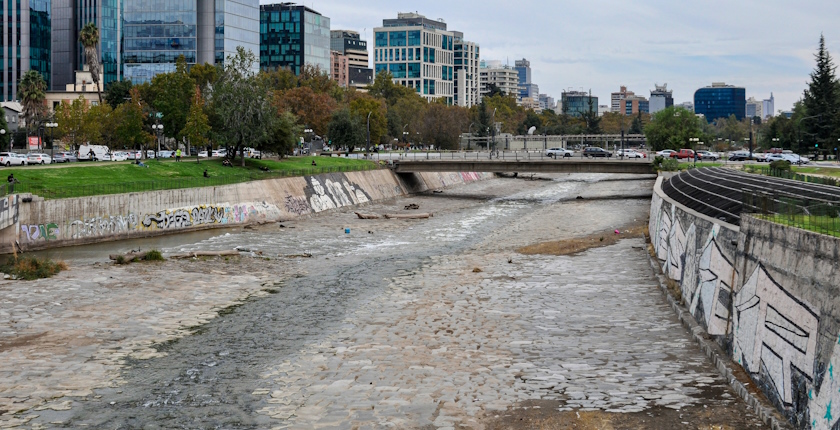
Prolonged and severe dry conditions across Europe set the scene for the most severe low-flow summer for the continent since the EFAS records began in 1992. Record or near-record river low-flows occurred simultaneously across many major European rivers, including the Rhine, Danube, Po, Loire, Rhône and Seine in July and August. This led to severe disruption for multiple industries, including cargo transport impacting supply chains, while causing mounting pressure on irrigation, nuclear reactor cooling, hydropower generation and freshwater availability, highlighting the close link between climate change and pertinent geopolitical challenges such as energy security.
Europe’s seas were also exceptionally warm throughout the 2026 summer, with record or near-record surface temperatures along much of the Atlantic coast and in the western and central Mediterranean.