

The environmental law organisation ClientEarth filed complaints with the European Commission against Bulgaria and Croatia, arguing that both countries have failed to create workable conditions for renewable energy communities, despite obligations under EU law.
People are being held back from producing and sharing their own clean energy as Europe heads into winter with historically low gas stocks, ClientEarth warned.
Complaints against Bulgaria and Croatia follow those filed against Poland and Hungary in July. ClientEarth wants four EU countries to remove barriers to producing and sharing local renewable energy, making community energy a practical and financially viable option.
That energy could lower bills and reduce reliance on imported gas.
Some countries still make it extremely hard for their citizens to take ownership in the energy transition
EU countries were required to put the Renewable Energy Directive into practice by June 30, 2021.
ClientEarth says the four complaints reveal how national rules continue to hold back community energy, in direct contradiction of both the law and logic.
According to Josh Roberts, energy law expert working with ClientEarth on the complaints, it’s been more than five years since the deadline.
“Some countries still make it extremely hard or simply impossible for their citizens to take ownership in the energy transition,” he said.
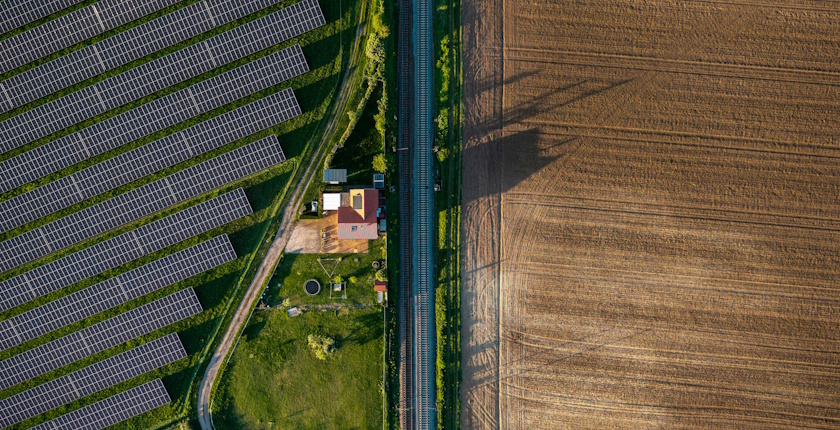
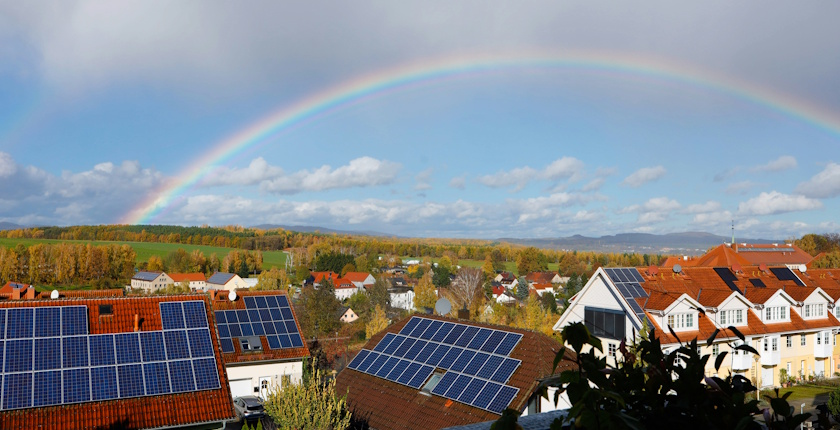
ClientEarth noted that energy communities allow residents, small businesses, and local institutions to produce and share renewable energy together – for example through an array of solar panels on a school or apartment building.
Households could save up to EUR 930
They can help people lower bills, even if they have no suitable roof or cannot afford an installation of their own, the organization added.
Households participating in energy communities using a mix of solar and wind power could save up to EUR 930 a year, the European Commission earlier said.
By 2030, the installed renewable capacity of energy communities could grow up to tenfold across the EU, enabling them to produce power for 25-30 million households, but only if legal frameworks are in place to enable it, the commission aded.
Čačić: Regulatory framework in Croatia is a shell
Goran Čačić, president of Zagreb-based Green Energy Cooperative (ZEZ), highlighted regulatory framework in Croatia as a shell.
“Nice and glossy on the outside to check the EU boxes, but there’s almost nothing inside. We have three officially registered citizen energy communities in Croatia: one is most likely already out of operation, and two are struggling to make a living without a proper business model or support,” he explained.
Ilieva: Procedures discourage people from taking part,
Elina Ilieva from Burgas Energy Office, who manages the energy community with around 130 members, stressed that energy communities give citizens the chance to become producers, not just consumers.
But extremely slow, complicated, and cumbersome procedures discourage people from taking part,” she added.