


Germany awarded all 5.16 GW in its inaugural capacity auction to gas-fired power plant projects, and published another call. Battery storage is effectively ineligible – the requirement is to discharge for 10 hours nonstop at full power, but currently few facilities have a duration longer than four hours. The plan is to involve the technology in the second phase, for short-term needs.
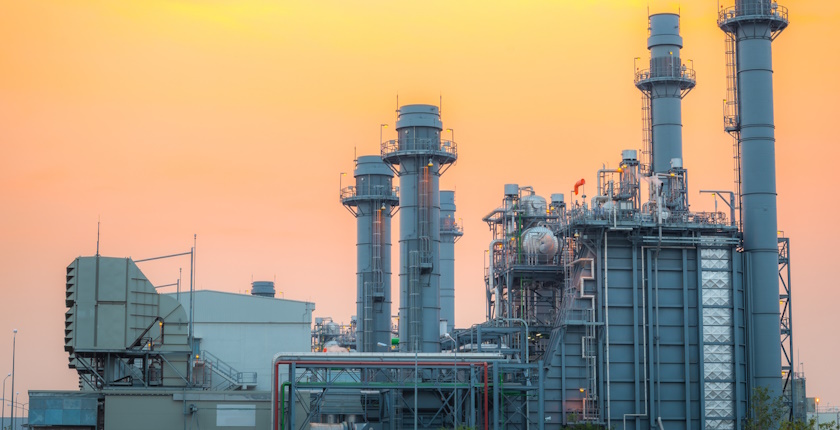
The Bundesnetzagentur, Germany’s federal network agency, issued a call for the remainder of the 9 GW planned for its first auctions for long-term capacities. In the first round, the regulator awarded the 15-year contracts for the entire 5.16 GW to developers of projects for gas power plants.
Energy giants RWE and LEAG (Lausitz Energie Kraftwerke AG) scooped up a stunning 99% combined with ten winning bids in total, for large gas plants, while the remaining one is a municipal authority.
RWE won support for seven projects, while LEAG got state aid for three
The long-term capacity, booked from 2031, is the first phase under the Electricity Supply Security and Capacity Act (StromVKG). The weighted average of support that the winners of the first round are entitled to amounts to EUR 155,296 per MW, versus a ceiling of EUR 244,000 per MWh. The awarded, derated capacity is primarily intended for activation in cases of dunkelflaute, a combination of extended weak wind and solar power output.
LEAG reportedly passed projects for the conversion of its lignite-fired power plants to gas. RWE won with three projects and 58% of the awarded capacity. The facilities must operate in a fully climate-neutral way from 2045. It implies converting to hydrogen or biomethane or biogas.
BESS also limited by equipment origin rule
There were 41 bids in total, for almost 12 GW in total. They included projects for battery energy storage systems (BESS), but they were effectively ineligible. Under the criteria, they must discharge at full power for ten hours in the first go, recharge in just three hours, and then again deliver electricity at maximum operating capacity for eight hours.
At the moment, few facilities have a duration longer than four hours. In addition, there is a so-called resilience rule for essential components to be manufactured in the European Economic Area. Gas plants don’t have such a requirement.
Seven submitted projects were disqualified over irregular documentation.
The deadline for the remaining 3.84 GW is December 29.
Auctions for demand response, existing plants planned for third phase
The next phase – generation capacity auctions – should be more favorable for BESS. The conditions will be adjusted for short-duration flexibility. The law envisages demand response and existing facilities to start participating later.
The European Commission approved Germany’s capacity mechanism state aid in early September. The measure would cost between EUR 15.6 billion and EUR 35.2 billion.