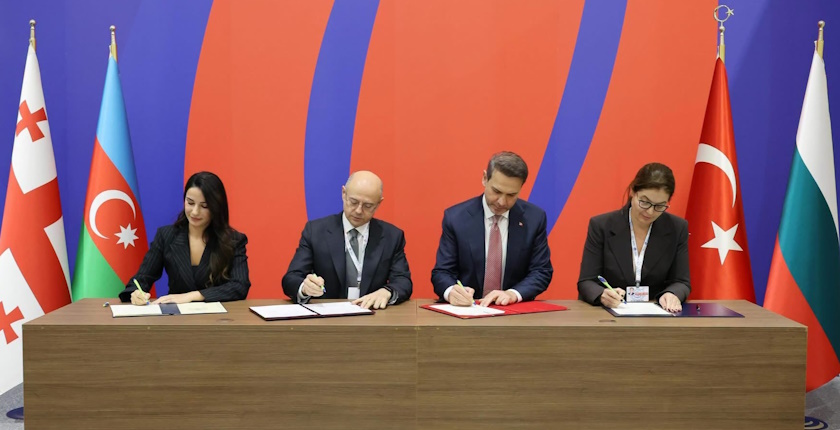



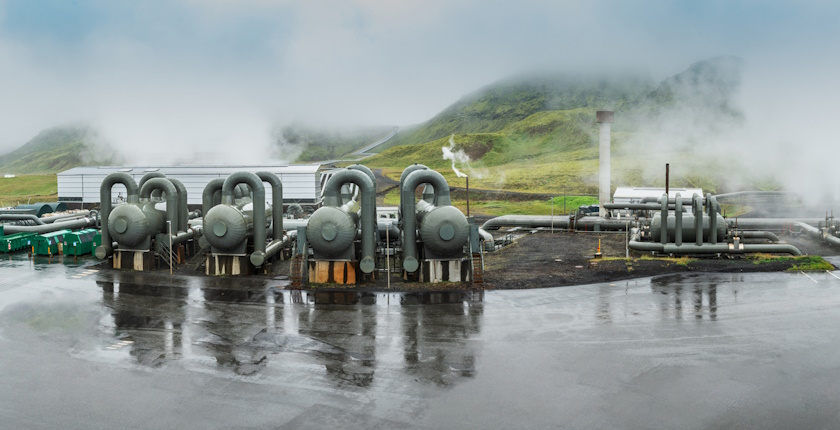
The European Union joined a new global pledge on geothermal energy. Launched by the Turkish COP31 Presidency in collaboration with the International Renewable Energy Agency (IRENA), it aims to scale up global geothermal energy supply for power and heat to 12 times 2025 levels by 2050. In addition, speaking at the summit in Antalya, European Commission President Ursula von der Leyen expressed support for the 35-by-35 Global Electrification Pledge.
Negotiations between delegates are intensifying at the United Nations Climate Change Conference in the Turkish resort city of Antalya on the Mediterranean coast. The summit involves the COP31 Global Electrification Initiative, COP31 35-by-35 Global Electrification Pledge, COP31 Global Geothermal Ambition 2050 and Global Green Freight Corridors Initiative, among other major topics.
The EU has joined the COP31 Global Geothermal Ambition 2050, launched by the Turkish COP31 Presidency in collaboration with the International Renewable Energy Agency (IRENA). It aims to scale up global geothermal energy supply for power and heat to 12 times 2025 levels by the middle of the century. The pledge recognises IRENA’s findings that total primary geothermal energy supply could rise from 2.5 to 31 exajoules by 2050, translating to a surge in capacity from 15.6 GW to 193 GW.
Geothermal energy has a key role to play in strengthening Europe’s energy security, competitiveness and resilience, European Commissioner for Energy and Housing Dan Jørgensen said at the event, which is formally called the 31st Conference of the Parties to the UN Framework Convention on Climate Change (UNFCCC). He noted it is a reliable source of heating and cooling, as well as continuous baseload electricity, independent of weather conditions and global energy price fluctuations.
“By harnessing this clean energy source, we can reduce emissions, support affordable energy for our citizens and businesses, and reinforce our strategic autonomy. By joining this pledge, the European Union reaffirms its commitment to unlocking geothermal energy’s full potential as a cornerstone of a more resilient, sustainable and diversified energy system,” Jørgensen stated.
Reliable round-the-clock energy supply
As a reliable source of round-the-clock power and heat, geothermal energy can reduce exposure to fuel price volatility, strengthen energy system resilience and support growing demand from industry, digital infrastructure and expanding economies, the Turkish COP31 Presidency and IRENA pointed out in the invitation to join the pledge.
Exploration risk and high capital expenditures are among the greatest obstacles to accelerating geothermal energy deployment
While progress has been made in geothermal energy development and deployment, significant acceleration is needed to realize its full potential, they warned and highlighted the need to cut dependence on fossil fuels.
The added value of geothermal direct use includes heating, cooling and applications in agri-food systems, industry and tourism, the pledge adds. Governments, financial institutions, businesses, international organizations and other stakeholders are urged to mobilize investment and finance, address exploration risk and high cost of capital, and support research and workforce training.
Von der Leyen: World entered age of electricity
In addition, in her speech at COP31, European Commission President Ursula von der Leyen expressed support for the 35-by-35 Global Electrification Pledge and encouraged others to join. The objective is to increase electricity’s share of final energy consumption to 35% by 2035.
“We are accelerating electrification. The world has now entered the age of electricity,” she said.
According to the International Energy Agency, the 35-by-35 goal is within reach, and achieving it could lower consumer energy bills and energy emissions, and bolster energy security, Von der Leyen underscored.
“Last year in the European Union, more than 70% of our electricity came from clean sources, and we will go further. Our Electrification Action Plan aims to double electricity in final energy use to 46% by 2040,” she recalled.