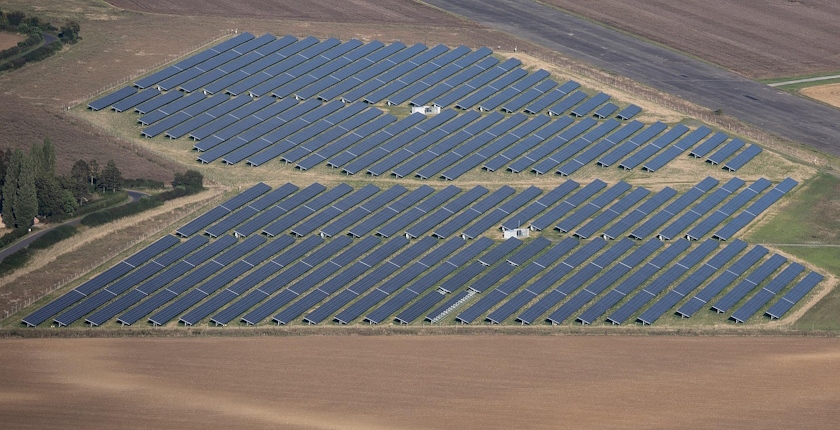



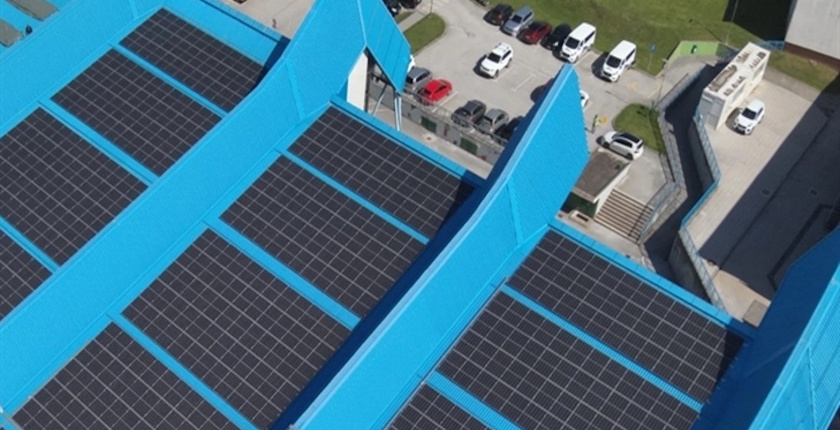
The Urban Municipality of Kranj in Slovenia has installed solar power plants on eleven public buildings through a public-private partnership with energy company GEN-I. The units, with a total capacity of almost 2 MW, comprise an energy community of public consumers.
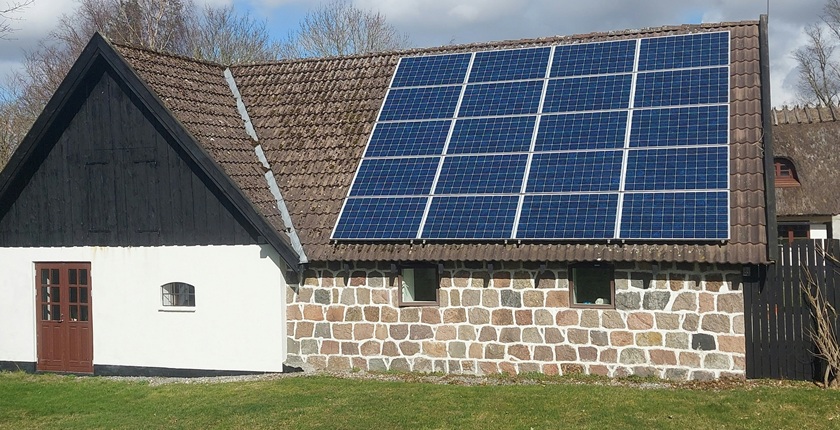
The solar power plants in the municipality of Kranj have been installed on the roofs of seven primary schools, two kindergartens, the local Olympic-size swimming pool and Stražišče sports hall. All the units make up an energy community of public consumers. Their total surface area exceeds 6,300 square meters, while their total capacity is almost 2 MW.
The value of the project is around EUR 1.5 million. The local authority has secured slightly more than EUR 700,000 in grants through the government’s public call for the co-funding for the construction of new facilities for the production of electricity from solar energy on public buildings and parking areas for the period from 2025 to 2026. The funding comes from the European Union’s Recovery and Resilience Facility.
GEN-I financed the construction, operation and maintenance of the solar power plants
GEN-I, the private partner, financed the remaining part of the investment under a 15-year public-private partnership. It covered the construction, operation and maintenance of the solar power plants, while part of its investment is from grant funding provided by the municipality. GEN-I will recover the remaining part of the investment through the sale of electricity at a long-term fixed, pre-agreed price.
Once the municipality transfers the grant funding in full to GEN-I, the price of electricity that public institutions will pay within the energy community will be reduced to EUR 77.16 per MWh for the entire duration of the partnership.
In addition to the buildings with solar power plants, other public users will also be included in the community
Kranj has not taken on any additional debt, which is the essence of the public-private partnership model: the risks of construction, financing and operation of the power plants are transferred to the private partner, the local authority pointed out. After the contractual period expires, the power plants will become its property.
In addition to the buildings on which the solar power plants have been installed, other public users will also be included in the community. They include sports facilities, local communities, healthcare institutions, and units of educational institutions.
“The goal of the community is not to generate profit by selling electricity on the market, but to reduce the operating costs of public institutions and strengthen their energy resilience,” the statement reads.
The statement adds that the project is a concrete step towards achieving the goals of the National Energy and Climate Plan at the local level. Kranj is also following the goals set under the European Commission’s mission for climate-neutral and smart cities.