

Regional conference Renewable Energy Sources in District Heating and Cooling Systems, organized by the European Bank for Reconstruction and Development (EBRD) and the Federal Ministry of Finance of Austria, in partnership with the International Renewable Energy Agency (IRENA), will be held in Belgrade on December 5-6. The conference takes place at Sava Center as part of the 50th International HVAC&R Congress and Exhibition.
Speakers on day one (Agenda) are representatives of state institutions, including Zoran Predić, State Secretary at the Ministry of Mining and Energy of Serbia, and Miloš Banjac, Assistant Minister at the Ministry of Mining and Energy, representatives of sectoral associations, such as Paul Voss, Director of the Euroheat & Power association from Brussels, Dejan Stojanović, Chairman of the Managing Board of the Serbian District Heating Association, as well as managers from companies in the sector – Dušan Macura of public heating utility JKP Novosadska toplana from Novi Sad, Alojz Poredoš, Chairman of the Slovenian Energy Association (SEA), and Dejan Jovišević of heating utility Eko toplane from Banja Luka, Bosnia and Herzegovina (Link for registration).
The conference will be a platform for local and international experts to present their works on planned and implemented projects that best illustrate the latest developments in the district energy sector:
- Large solar thermal projects in Bor in Pančevo – green energy at costs lower than fossil fuels;
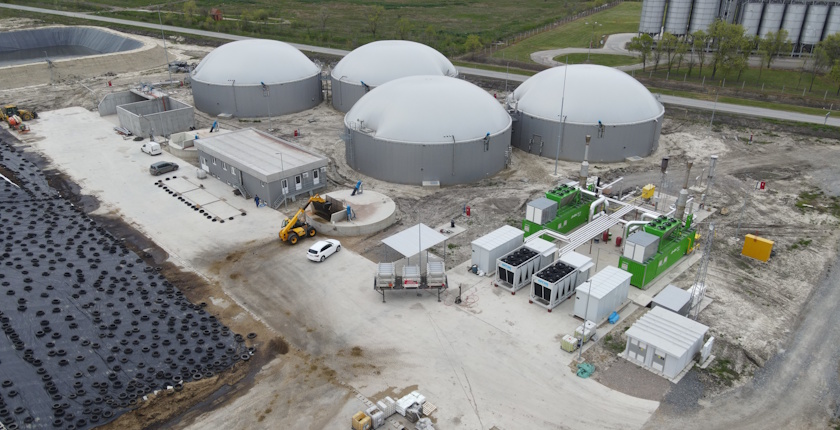
- The implementation of biomass into the district heating system in Serbia;
- Possibilities for the use of geothermal energy in district heating systems in Serbia;
- Experience with the smart operation of the ULTDH domestic hot water booster substation for a multifamily building.
Sponsored by IRENA, and in cooperation with the EBRD, a session titled “Capacity Building for Renewable Energy Applications for District Heating and Cooling in Cities” will open on day one and close on Friday, December 6. At the session, international experts will talk about strategic planning, prospects for the use of renewable energy sources, available sources of financing, but also technical challenges.
Renewables in district energy systems are not more expensive than fossil fuels
Bojan Bogdanović, Principal Fund Manager for Renewable District Energy at the European Bank for Reconstruction and Development (EBRD), says for Balkan Green Energy News that the bank wants to support the use of renewables in district heating and cooling systems in all countries in the region because it is affordable and beneficial for people, the systems, the air quality, and the fight against climate change, as well as for achieving the goals that countries in the region have committed to.
EBRD is currently conducting a feasibility study for a solar thermal project for Pančevo
“Citizens of the Western Balkans are no longer in doubt whether climate change is a reality, and they’re aware that 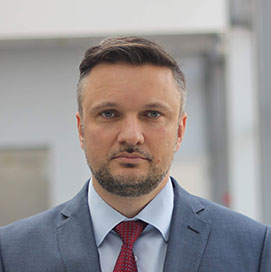 energy efficiency and district heating systems help reduce its impact, but they don’t want their bills to rise. Projects implemented in Europe demonstrate that renewables in district heating and cooling systems, without subsidies, can cost the same or less than fossil fuels, meaning that bills would not go up, while bringing numerous other benefits,” says Bogdanović.
Valjevo and Šabac are interested in heat pumps that use waste heat from wastewater treatment facilities
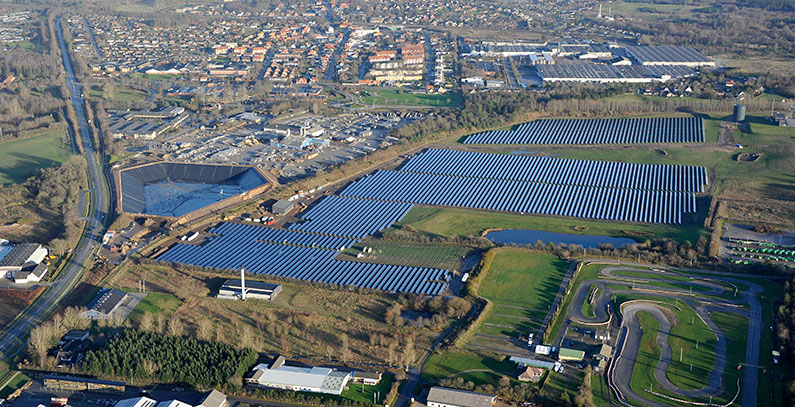
EBRD is currently conducting a feasibility study for a solar thermal project for Pančevo, which involves installing 35,000 m2 of solar collectors and building a 150,000 m3 underground, seasonal storage facility. This technology enables the use of solar thermal energy both in summer months, when it is most available and in winter months, by using surpluses generated during the summer and stored in a seasonal storage facility. Similar solutions are being prepared for Novi Sad and Bor, while Valjevo and Šabac have expressed their interest in projects involving heat pumps that use waste heat from wastewater treatment facilities.
Apart from these two types of renewables, district systems can also use geothermal energy, biomass, biogas, as well as heat from seas, lakes, and rivers.
To support these projects, the EBRD has set up the Renewable District Energy in Western Balkans (ReDEWeB) fund, aimed at helping to increase investments in the renewables sector. The fund plans to enable the implementation of ten projects in Albania, Bosnia and Herzegovina, Montenegro, North Macedonia, Kosovo*, and Serbia.