


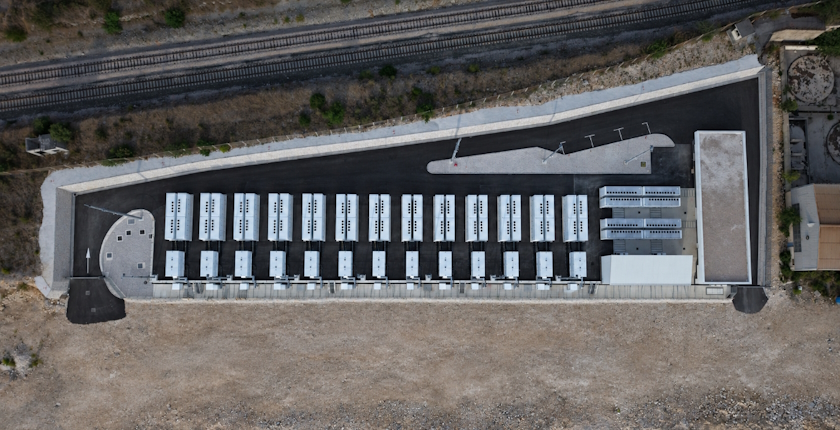
The launch of operations of BESS Šibenik, of 60 MW in operating power and a storage capacity of 120 MWh, is a major step in the development of Croatia’s energy infrastructure. The country’s first large battery energy storage system within the transmission grid was built by NextGrid Energy. It is IE-Energy’s joint venture with the European Bank for Reconstruction and Raiffeisen’s pension funds in the country. Slovenia-based NGEN was responsible for the technology segment.
Under an investment of EUR 60 million, the first large standalone BESS in Croatia’s high-voltage electricity network has launched operations. The European Union backed the project from its Modernisation Fund.
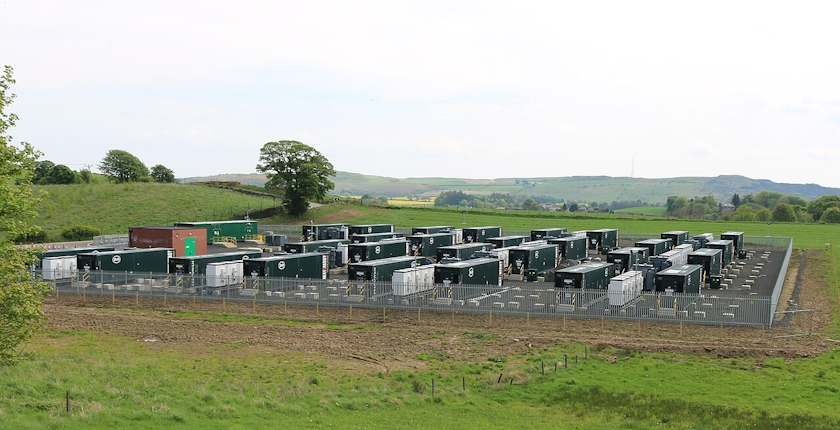
NextGrid Energy’s BESS Šibenik is in the Impol-TLM industrial complex. The battery energy storage system has a capability of 60 MW for two hours, translating to 120 MWh. The location is in the Dalmatian coastal city of Šibenik.
Tesla Megapack XL units are connected to the 110 kV grid. The battery system’s role is to bolster the network’s flexibility and stability and facilitate a more effective integration of the rising share of solar and wind power plants, according to the update.
With its entire installed power, the facility provides the automatic frequency restoration reserve (aFRR) service for Croatian Transmission System Operator HOPS.
Quarter of approved EU grant not required
The BESS Šibenik project’s second phase is entitled to a EUR 19.8 million grant from the Modernisation Fund. However, due to optimization and a decrease in capital expenses, the firm expects to draw only EUR 15 million.
The European Bank for Reconstruction and Development (EBRD) participated with EUR 16.8 million. It is its first equity investment in a standalone, commercially operated BESS. The domestic Raiffeisen pension funds provided an equivalent sum.
NextGrid Energy has an equally owned joint venture with NGEN Group called NGEN Smart Energy Systems
NextGrid Energy, which was called IE-Energy Projekt until May, is a Croatian investment platform focused on energy storage and flexibility. Its shareholders are IE-Energy, the EBRD and the Raiffeisen funds.
The group includes BESS Projekt, which owns the Šibenik facility, and a 50% share in the NGEN Smart Energy Systems venture with NGEN Group, the Slovenian provider of the technology for the battery system.
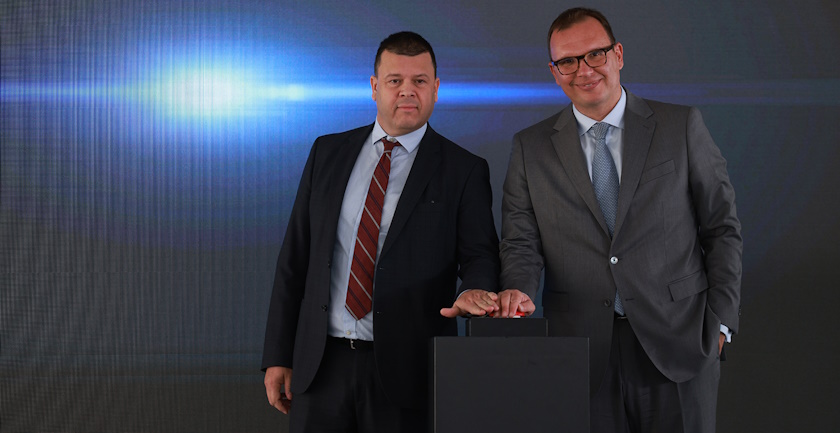
NextGrid Energy acquired experience for new projects
The project is facilitating the achievement of the goals of the energy policy of the Government of Croatia regarding the security of supply and the development of the infrastructure that can meet the needs of the industry and economy, said State Secretary in the Ministry of Economy Vedran Špehar.
“We had to go through a large part of the process for the first time, from connecting to the transmission grid to integrating into the electricity market and ancillary services. Today, we have a built facility behind us, institutional investors, an international partner for technology, and experience that we can transfer to new projects,” NextGrid Energy’s Director Željko Šmitran pointed out.
BESS Šibenik is the first project of its size in Croatia without any guaranteed income, he added. “It earns only when the system needs it, and the market risk is fully borne by us and our investors. It is not easy to find capital for such a project,” said Šmitran, who is also chief executive officer of IE-Energy and NGEN’s country manager for Croatia.
The support via the Modernisation Fund was crucial as it lowered the initial investment risk to a level for the two co-owners to come on board, he explained.
NGEN’s Founder and Co-Chief Executive Officer Roman Bernard expressed confidence that the project with the partner, NextGrid Energy, is the start of further cooperation.