


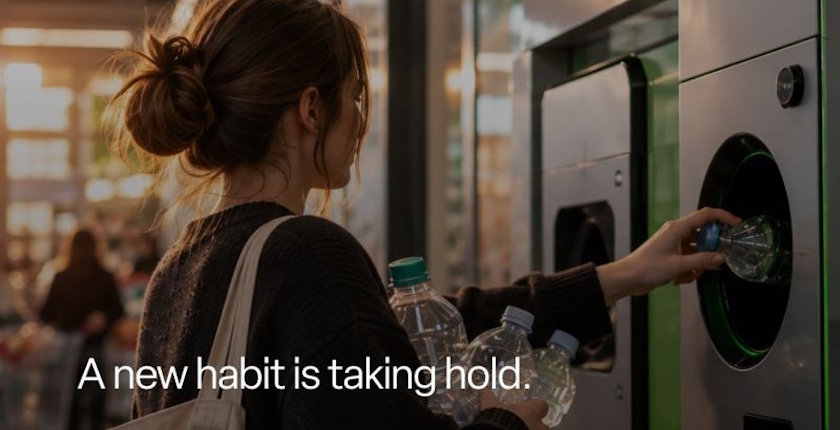
Over 12.5 billion single-use beverage containers were collected in the first three years of operation of Romania’s deposit return scheme, resulting in a national collection rate of 85% between January and September 2026 and peaking at 97% in September.
Official figures presented at a forum on the three years of SGR (Sistemul de Garanție-Returnare) confirm the system’s status as an important circular economy initiative for the country, Agerpres reported.
The DRS system specifically targets single-use beverage containers made of glass, plastic (PET), and aluminum (cans) with capacities ranging between 0.1 liters and 3 liters. It covers beverages such as water, soft drinks, beer, cider, wine, and spirits that carry the official SGR logo.
The SGR system is operated by a non-profit entity
It excludes packaging used for dairy products, food, cosmetics, household chemicals, as well as cartons and containers outside the specified volume limits.
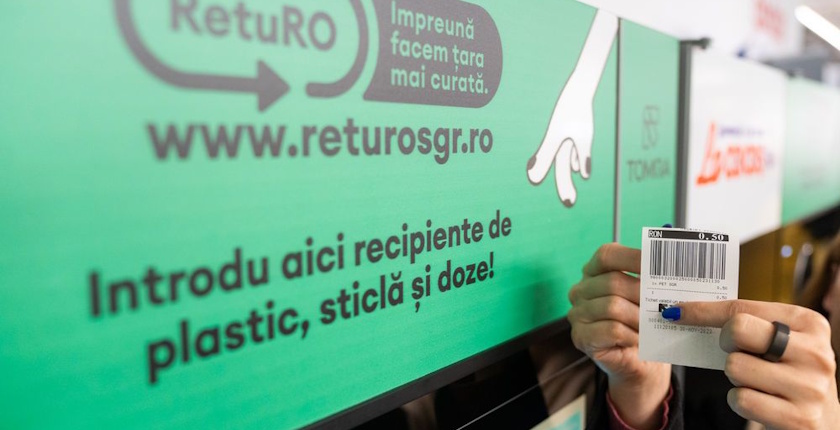
The SGR system is operated by RetuRo Sistem Garanție Returnare SA, a non-profit entity structured as a public-private partnership.
Its shareholders are the brewers association for environment – Asociația Berarii României pentru Mediu (30%), association of soft drink producers for sustainability – Asociația Producătorilor de Băuturi Răcoritoare pentru Sustenabilitate (30%), association of retailers for the environment – Asociația Retailerilor din România pentru Mediu (20%), and the Romanian Government through the Ministry of Environment, Waters and Forests.
All the collected material is sent directly to recycling plants
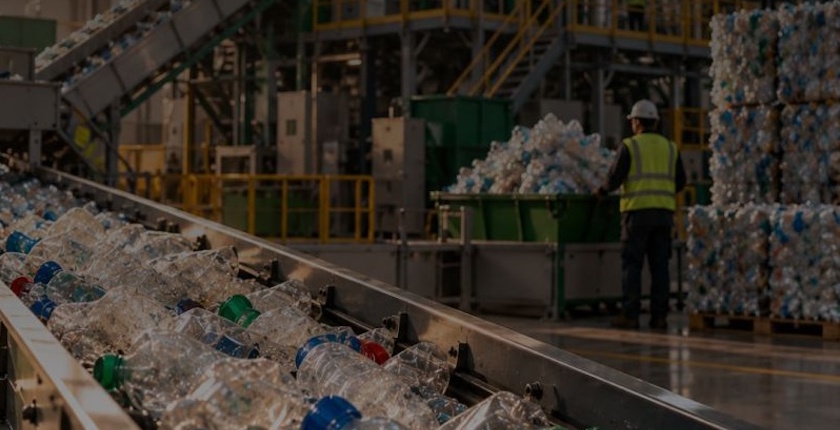
SGR collected over 12.5 billion single-use containers, which is equivalent to more than 900,000 tons of sorted materials. All the collected material is sent directly to recycling plants.
The average collection rate in the first nine months of 2026 reached 85%, marking a 3 percentage point increase from the 82% recorded in the same period in 2025.
Romania set an ambitious national target of a 90% collection rate in its third year of operation, outpacing the broader European Union framework, which targets similar levels for early 2029.
The country’s capital Bucharest led national return figures in 2026
The country’s capital Bucharest led national return figures, with 535.6 million items in the first nine months, followed by Ilfov county (196.2 million), Constanța (193.1 million), Timiș (179.6 million), and Cluj (167 million).
Studies produced by RetuRo indicate that nearly 80% of Romanian citizens actively collect packaging and use the SGR system on a regular basis.
The system operates through a nationwide network of approximately 80,000 registered collection points organized by retailers across Romania. A registered RetuRo collection point exists in over 90% of Romanian localities with a population exceeding 1,500 residents, as well as in more than 70% of localities with over 200 residents.
Smeu: The system has successfully built public trust
Chief Executive Officer of RetuRo SGR Adela Smeu said the system has successfully built public trust while altering daily consumer habits and embedding a circular culture across Romania.
According to Mihaela Frăsineanu, a senior advisor to the prime minister, SGR is the single-best development in Romanian waste management and circular economy over the past three years.
Former Minister of Environment, Waters and Forests Mircea Fechet stressed that despite initial skepticism and negative predictions prior to launch, the system has proven to be a tested public-private success model recognized at the European level. He was minister when the system was launched.
The association is willing to share technical expertise with other sectors planning independent systems, said the brewers association’s General Manager Constantin Bratu.