


Greek academics presented evidence supporting the view that the domestic market has strayed far from the National Energy and Climate Plan (NECP) and its initial projections.
The roadmap has set goals for 13.5 GW of photovoltaics, 8.9 GW of wind and 1.6 GW of offshore wind by 2030. The reality is much different, as solar energy is currently seen at 15 GW at the end of the decade, with wind energy at just 6.5 GW and no offshore wind farms expected to come online.
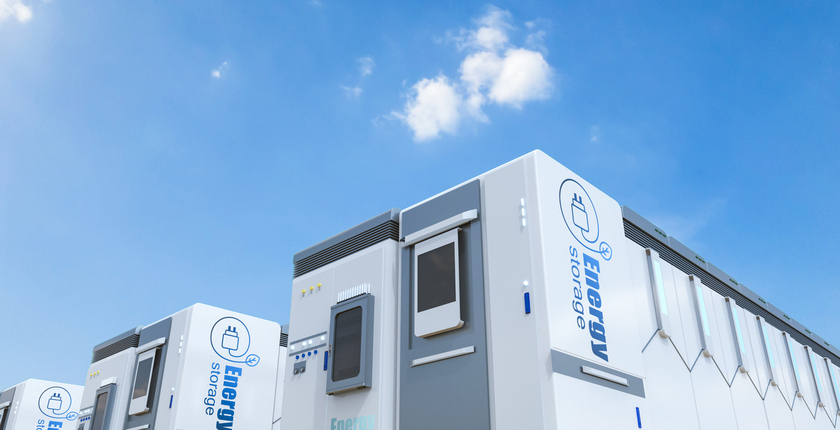
Energy storage is another sector where Greece has lagged. This year saw the first battery installations, and gradually 2.7-3.5 GW are expected to be put into operation by 2030, compared to the 4.3 GW goal. In pumped hydroelectric storage, 1 GW will connect to the grid, versus 1.8 GW in the NECP, said Professor Pantelis Kapros from the National Technical University of Athens (NTUA).
Curtailments and negative prices are rising
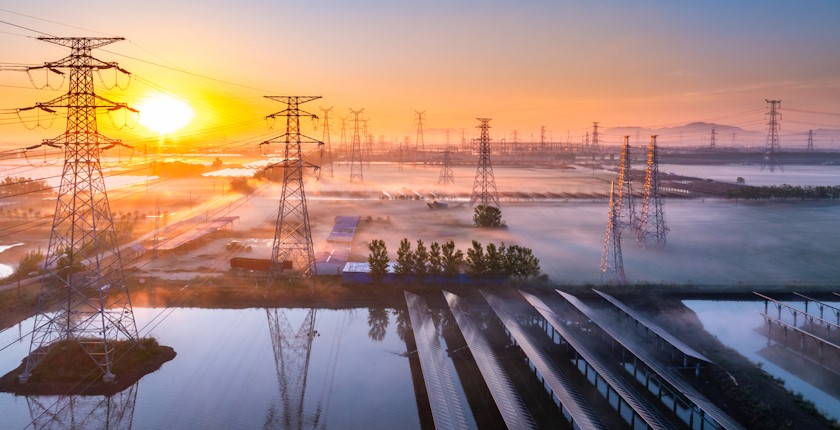
This imbalance in the energy mix has several consequences for consumers and producers. Forced curtailments are currently at 8% in the solar power segment, meaning that 2.5 TWh of green energy will be lost this year. Kapros expects they will increase to 18% by the end of the decade, while there are experts who place them even higher, at more than 20%.
Solar producers are also affected by negative hourly prices in the day-ahead market. In 2024, there were just 29, but this year their number will increase to 942 hours and even higher in 2027, according to Professor Pantelis Biskas from the Aristotle University of Thessaloniki (AUTh).
The long-term result is that in 2030 solar capture prices would amount to just EUR 34 per kW, compared to an expectation of EUR 71 in the national plan.
Natural gas increases prices
Due to the relative absence of storage and the faster development of solar energy, natural gas plants are called to balance the market in the evenings. As a result, gas production is now seen at 14.4 TWh in 2031, compared to 9 TWh initially.
When it comes to consumers, the NECP projected wholesale electricity prices at EUR 95 per MWh in 2030, but the academics place them 30% higher, at EUR 125 per MWh.