


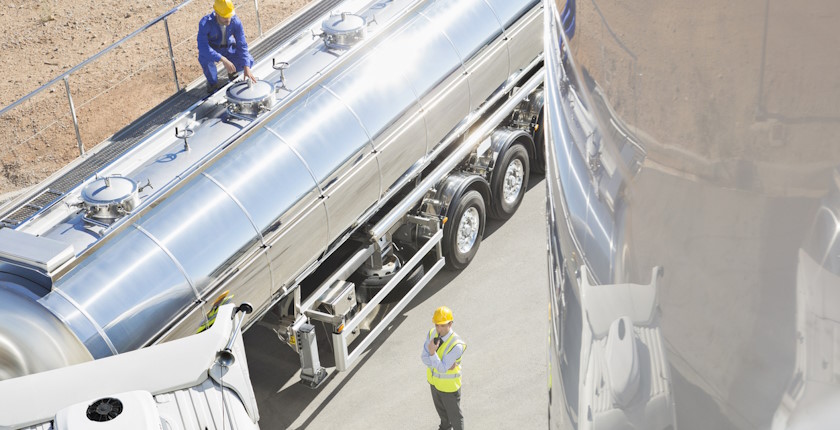
Importers of fuel to Montenegro are obligated, as of today, to mark gasoline, diesel, fuel oil and biofuels that will be for sale in the domestic market. The consortium responsible for the new system is led by Labex Analytics. It comprises Inspekt RGH, Black Metallurgy Institute (ICM), Institut za transport – INTRA, and Authentix.
The Ministry of Energy and Mining of Montenegro said it expects participants in the domestic fuel market to fully implement the new fuel marking program, local media reported. Starting today, the service provider and entities in the energy sector are obligated to resolve all technical and operational issues in direct communication, according to the update.
State Secretary in the Ministry of Energy and Mining Tihomir Adžić signed the announcement. He noted that marking is the condition for approving the sale of fuels.
Failing to fulfill the legal obligations is cause for misdemeanor and criminal proceedings, Adžić pointed out.
Fuel marking is a regulatory and anti-fraud measure. Chemicals or visible markers are added to petroleum products to track their origin and prevent smuggling and tax evasion. The substances are measured in parts per as many as one billion and they don’t alter the fuel’s performance.
Fuel marking fee adds EUR 7 in cost per thousand liters
The marker’s detectability is an insurance against mixing in quantities of similar fuels that are taxed less. In Montenegro, marking is obligatory for gasoline, diesel, fuel oil and biofuels.
Labex Analytics leads the consortium selected as the operator of Montenegro’s new mechanism. It comprises Inspekt RGH, Inspekt RGH, Black Metallurgy Institute (ICM), Institut za transport – INTRA, and Authentix.
The arrangement stipulates a fee of 0.7 eurocents for each liter, or EUR 7 per 1,000 liters. The sum is estimated at EUR 17 million for five years, per Montenegrin news outlets.
Authentix supplying fuel markers to neighboring countries as well
Markers producer Authentix, based in the United States, is tasked with the same job in neighboring Serbia since it introduced its fuel integrity program in 2013. The firm is in a consortium with SGS Beograd and Nanoinspekt.
Bosnia and Herzegovina has selected a consortium led by Inspekt RGH to mark fuels. It also includes Authentix, as well as domestic firms ConTek and Inspekt Zvornik.