


Croatian oil pipeline operator Jadranski naftovod (JANAF) resumed deliveries to Serbian refiner NIS. The transport was halted two weeks ago due to pipeline damage, which has since been repaired. The three-year contract between the two companies expires at the end of 2026.
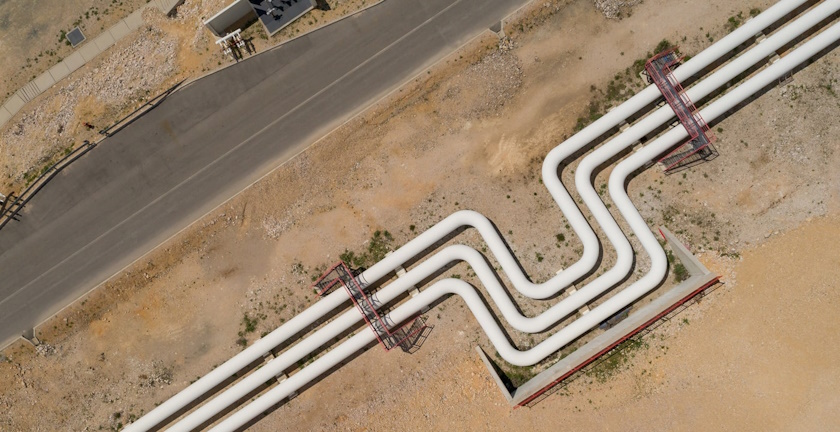
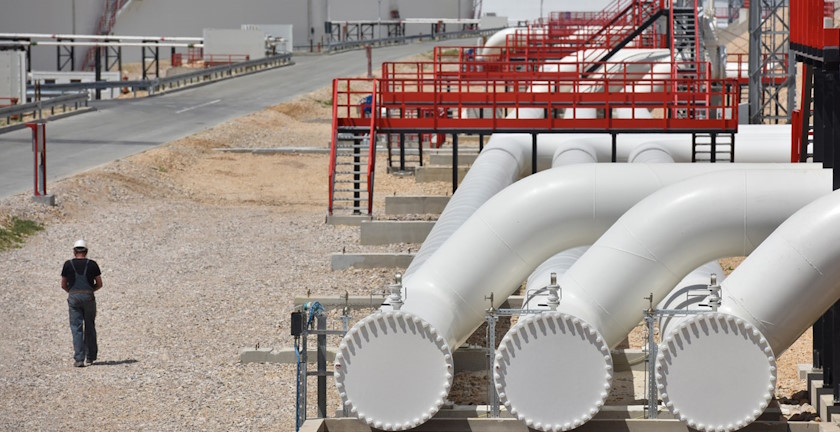
Repairs on the oil pipeline near Nova Gradiška in Croatia have been completed, bringing the Sisak – Slavonski Brod section back online. State-owned operator Jadranski naftovod announced that it resumed deliveries to NIS in neighboring Serbia today.
Fuel consumers in Serbia and surrounding countries were bracing for potential rationing for more than a week, since it turned out that the damage to JANAF pipes was more serious than initially indicated. Namely, it is the sole source of oil for NIS, which runs Serbia’s only refinery, in Pančevo.
The operator provided an update yesterday for the first time since November 12, revealing that “final repair works” were underway. The pipeline was damaged on November 6 near Nova Gradiška during construction works.
Refinery lowered oil throughput to keep running as long as possible
In the meantime, Serbia’s sole refinery launched emergency measures by reducing its oil processing volume.
The fuel shortfall was compensated from operational and commercial stocks, while NIS also processed crude oil that the government provided from its reserves to prevent a shutdown of the refinery, the Ministry of Mining and Energy said this week.
On November 13, the outgoing Government of Serbia approved NIS’s request for an emergency injection from oil reserves, deciding to release up to 66,000 tons.
The lack of official information and timelines heightened concern at a sensitive moment for the refinery as well as the country’s entire energy system.
Deadline for takeover by MOL looms
NIS is under US sanctions because it is majority-owned by Russia’s state-owned Gazprom. The Serbian company has been working under a temporary operating license from the administration of President Donald Trump, pending a proposed takeover by Hungarian rival MOL Group. The deadline expires on December 11.
JANAF transports oil from the terminal at the island of Krk in Croatia. One of the most pressing issues is that the company’s three-year contract with NIS expires at the end of this year. But so does the contract with Gazprom on supplying gas to Serbia.
JANAF has a central role in supplying both MOL and NIS as Russia is under sanctions
The government is in an acting capacity since the landslide victory of the opposition Student List in the general election on October 25. Its lawmaker Radomir Saičić said three weeks ago, before the new National Assembly convened, that delegations would be sent to Russia and the United States for talks on gas and sanctions, respectively.
The JANAF system is equipped to carry as much as 24 million tons per year. It can be pushed to a maximum of 34 million tons without physical expansion.
Notably, Hungary and Slovakia depend on the same pipeline, under the so-called Adria branch, as an alternative to the Russian Druzhba. There are disputes over the delivery capacity and prices.