


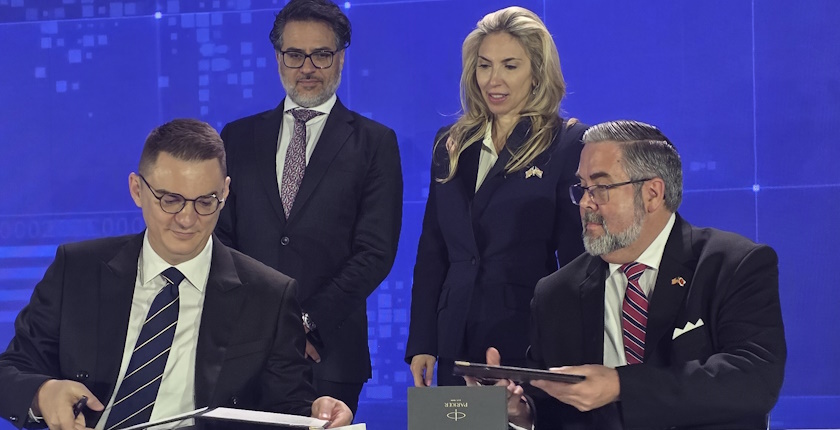
Montenegro signed a memorandum of understanding with the United States, at a conference in Warsaw, on the development of power and gas infrastructure. In addition, Minister of Energy and Mining Admir Šahmanović met with energy ministers from countries in Southeastern Europe, as well as with representatives of companies interested in investing in the sector.
By signing a memorandum of understanding with the US within the Partnership for Transatlantic Energy Cooperation (P-TEC) at the conference in Warsaw, an important step was taken toward the implementation of projects that could have long-term significance for Montenegro’s energy security and economic development, the country’s Ministry of Energy and Mining said. The two governments reiterated their readiness to advance cooperation in what is one of the most strategically important areas, the statement reads.
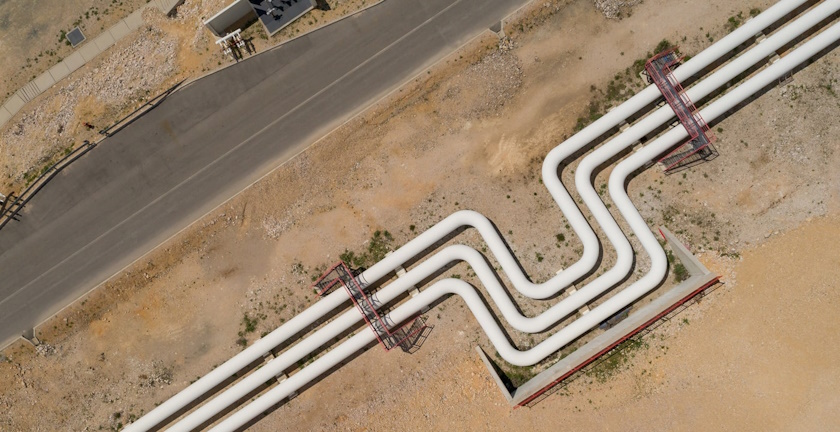
The document opens up space for the development of power and gas infrastructure, including the Ionian Adriatic Pipeline (IAP), the ministry added. It highlighted the project’s importance for the diversification of supply sources and routes and better interconnection of energy markets. For Montenegro, it means new development opportunities, greater energy security and a better position in regional energy flows, according to the update.
Šahmanović and Sekulić meet with US officials
Minister of Energy and Mining Admir Šahmanović and Director General of the ministry’s Directorate for Oil and Gas Zorana Sekulić met with US Deputy Assistant Secretary of Energy Dan Byers, Chargé d’Affaires of the US Embassy in Montenegro Michael Keays, Energy Attaché at the US Embassy in the Czech Republic and Director of the US Department of Energy’s European Regional Office Arlene Fetizanan, as well as representatives of Japanese company JERA.
The conversations focused on opportunities for developing Montenegro’s energy sector through the implementation of strategic projects, attracting investments, and a stronger partnership with the US and Japan. The officials especially addressed the potential for cooperation in developing energy infrastructure and projects that can contribute to the long-term security and sustainability of the energy system.
Advancing regional energy cooperation
On the sidelines of the event, Minister Šahmanović met with other energy ministers of Southeastern European countries: Greece, Croatia, Bosnia and Herzegovina, North Macedonia and Bulgaria. They discussed advancing regional cooperation, interconnecting energy systems and markets, joint infrastructure projects, and the challenges facing the countries in the region.
The minister held a series of meetings in Warsaw with representatives of international companies interested in developing the energy sector in Montenegro and investment opportunities.