


After a lot of back and forth during the last several months, Greece has presented the final version of its National Energy and Climate Plan (NECP).
After consultations with industry bodies and market players, the draft version was changed.
The target share of renewable energy in the primary energy mix for the year 2030 has been revised to 43% from 45.3%.
Its share in electricity production has been set at 75.7%, compared to the initial 76.8%.
The proposed level in the renewable heating and cooling segment was cut to 52.6% from 61.1%, while the 2030 target share of the use of renewable energy in buildings was boosted to 72.2% from 67.4%.
When it comes to industrial use of green energy, the share has been revised to 34% from 41.2%. In transportation, Greece set the target to 13.4%, against 13.9% in the draft NECP.
There are changes in some power production technologies, too, in capacity terms. Wind and solar power remain the same. The target for small hydropower plants was lowered to 350 MW from 365 MW. The biomass item was trimmed to 77 MW from 81 MW.
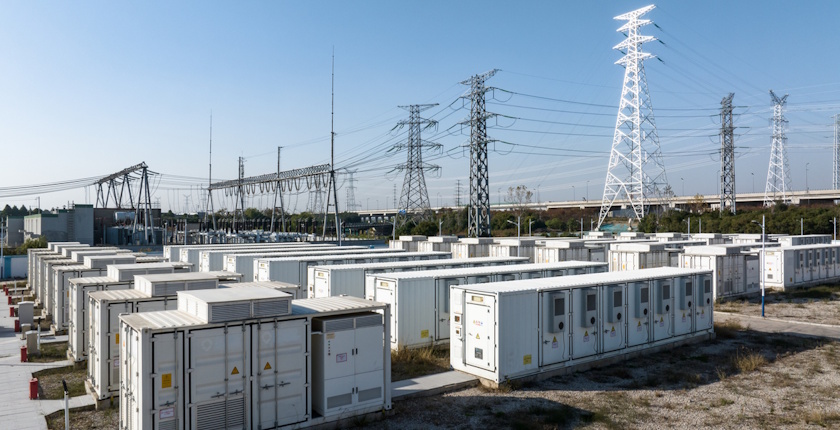
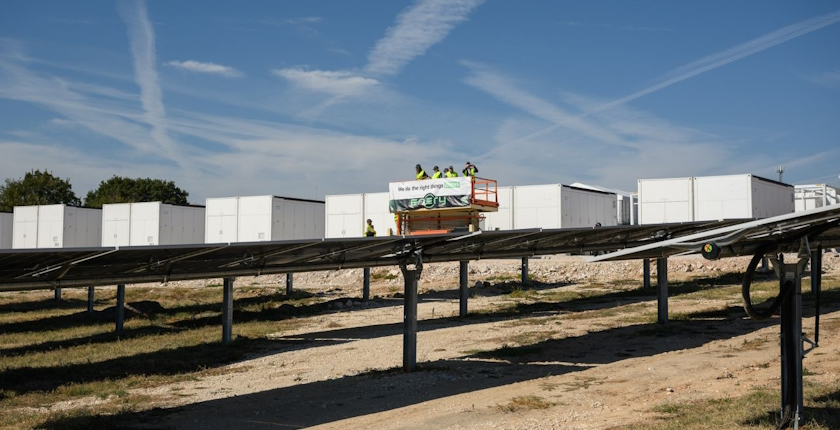
As for energy storage, battery systems were left at 4,325 MW. But pumped storage hydropower plants are now projected to reach 1,928 MW in total by 2030, versus the earlier proposal for 1,745 MW.
Finally, the goal for hydrogen production was increased by 0.2 TWh to 1.2 TWh annually, while the electrolyzer capacity objective was upgraded from 187 to 231 MW.
The final version of the NECP will now be submitted to the European Commission.
Energy minister warns of a turbulent market ahead
Minister of Environment and Energy Thodoros Skylakakis warned of a rough period ahead for Greece’s renewable energy market.
At the NECP’s presentation in parliament, he said he expects periods of very low wholesale prices, adding they would affect investments.
Skylakakis: Wholesale prices to drop significantly
Therefore, it is important that the government and companies take necessary steps to streamline the process and avoid a total collapse of investing interest in the sector.
Skylakakis said in particular that he believes prices would fall even more than what the NECP foresees. In the plan, the decrease is very gradual, landing at EUR 94 per MWh in 2050.