


A cross-border wind energy project between Ukraine and Romania, with a planned installed capacity of 650 MW, has been added to the List of Renewable Energy Cross-border Projects (CB RES list), eligible for European Union financing. The future wind farm in central Ukraine is expected to export electricity, including to Romania.
The project, called WIND, envisages installing a large-scale wind park in Ukraine’s Poltava province. Its planned annual output is 2 TWh, according to a project description provided by the European Commission.
Construction is expected to begin by the end of October 2026, with completion targeted for late December 2028. Commissioning is planned for early January 2029.
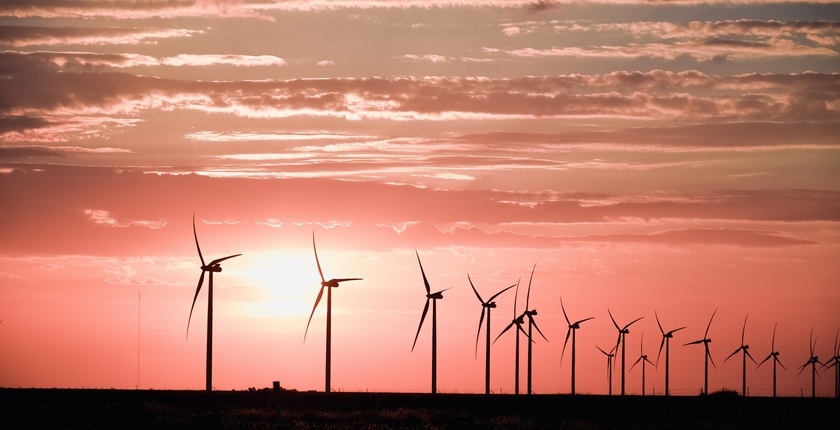
The wind park is targeted for commissioning in early 2029
The project is being developed by Ukraine-based energy company DTEK, which already has a renewables portfolio in Romania. Earlier this year, the company said it expected the total investment in the Poltavska wind farm to reach EUR 1.2 billion.
The facility could be complemented by a further 500 MW of capacity, which would add around 1.6 TWh of electricity generation per year, according to the European Commission.
15 projects across Europe now hold CE RES status
The Ukrainian wind farm was selected under the fifth call for CB RES status, along with two other projects: the German-Polish hybrid power plant DEPLoy and the Austrian-German district heating decarbonization project ZEGA-LINNK.
DEPLoy, valued at EUR 210.6 million, envisages an integrated wind and solar power plant, with an installed capacity of 180 MW, in Guben, Poland.
The newly added projects include an integrated wind and solar plant in Poland
ZEGA-LINNK is a EUR 57.1 million project to deploy a 5 MW heat pump and a 12-15 MW geothermal borehole in Braunau, Austria. It aims to reduce fossil fuel-based peak load generation in the district heating network that Braunau shares with Simbach in Germany.
CB RES projects aim to promote cross-border renewable energy cooperation between EU member states, as well as between EU and non-EU countries. The projects may also facilitate renewables integration through energy storage or hydrogen production facilities.
The CB RES scheme was launched in 2022, and the number of selected projects now stands at 15.