

The European Commission has selected 46 more strategic projects for critical raw materials across 16 member states. Three are for lithium extraction, of which one for a hard rock mine, and two for obtaining the alkali metal from geothermal waters. Together with the ones approved previously, 13 strategic projects for battery-grade lithium involve extraction, and another 13 are just for processing and-or recycling.
The EU has so far endorsed 106 strategic projects for critical raw materials to bolster its supply and become less dependent on any single supplier. The second round consists of 46 selected proposals from 16 member states, out of this year’s 102 applications.
Per the Critical Raw Materials Act (CRMA), extraction must cover at least 10% of consumption in 2030, alongside a 40% domestic share in processing and 25% from recycling.
Eight projects in the new group are for extraction only, 11 for processing, and 19 for recycling. Eight are integrated projects: three combine extraction and processing, and five are for both processing and recycling. Altogether they cover 15 of the 17 strategic raw materials.
The strategic projects endorsed so far are set to meet the EU’s benchmarks for lithium extraction
The new strategic projects are intended to strengthen European value chains. They include seven for battery-grade lithium, 12 for nickel, 10 for cobalt, five for manganese and four for graphite, all of which support the EU battery value chain. The two for magnesium and three for tungsten would contribute to defence and aerospace, while the four projects for rare earth elements would support the permanent magnet value chain, the European Commission said.
Together with last year’s 47 strategic projects in the EU and the 13 in third countries, they could fully meet the extraction benchmarks for lithium, nickel, rare earth elements, magnesium and tungsten, and the processing benchmarks for lithium and rare earth elements. They could also cover 89% of the processing benchmark for cobalt and 57% and 51% for tungsten and magnesium, respectively, while fully meeting the recycling benchmarks for lithium, cobalt and rare earth elements, the announcement reads.
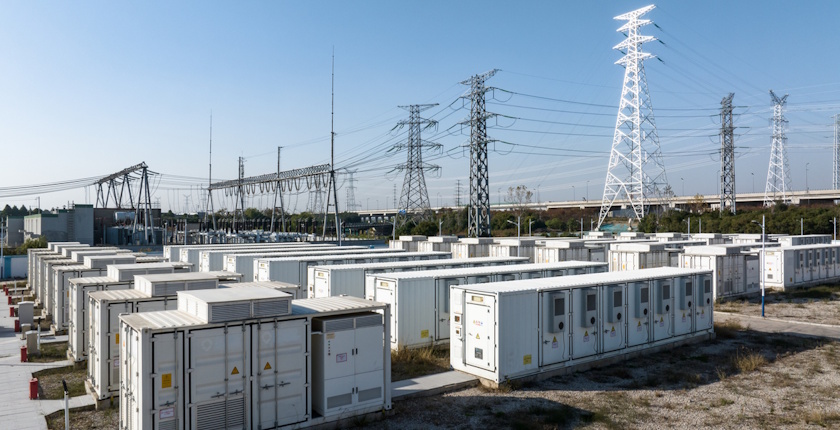
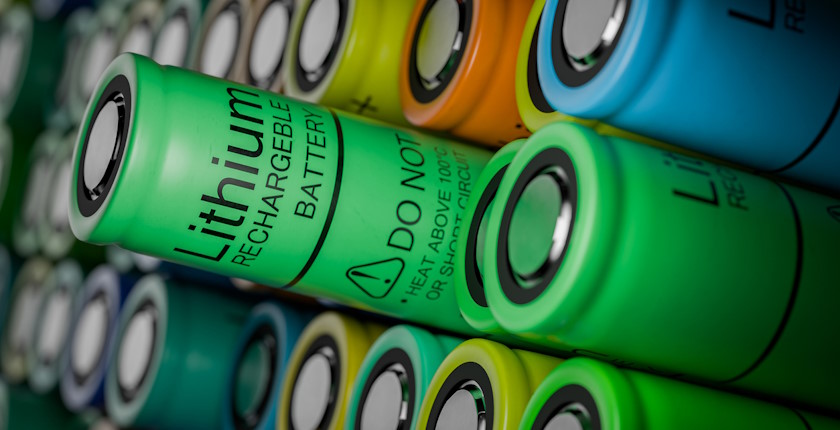
Lithium is essential for battery energy storage systems (BESS) including batteries for electric vehicles.
Nine lithium mines on EU’s list of strategic projects
Just one new endeavor, Zinnwald Lithium Project in Germany, involves lithium excavation. In comparison, seven mining proposals for lithium were approved in 2025, alongside Rio Tinto’s project Jadar, which is in the group outside of the EU – and dormant.
Separately, there are now four strategic projects in total for extracting the alkali metal from geothermal waters of which two are new. The emerging technology has a neglectable environmental impact compared to mining. Thirteen selected proposals are just for lithium processing and-or recycling.
The production of lithium and geothermal heat can bolster each other’s cost-effectiveness
AMG Critical Materials, based in Amsterdam, bought the remaining 71% of the Zinnwald Lithium firm last year. The site for the hard rock mine is near Altenberg in Saxony, along the Czech-German border. It would include a processing facility.
Lithium de France, a subsdiary of Arverne, is working on a geothermal lithium extraction and processing system in Northern Alsace. The project aspires to reach battery-quality lithium output of 27,000 tons per year, together with 2 TWh of heat.
The combination of geothermal energy and lithium can boost the cost-effectiveness of both otherwise expensive technologies.
Similarly, Neptune Energy Innovations would produce and process the material from deep thermal waters under the strategic project called ALE – Altmark Lithium Extraction.
Romania to host battery recycling facility
One new battery recycling project is in Germany and another one in the Netherlands. One just for lithium processing and recycling is in Germany.
As for the region that Balkan Green Energy News tracks, a strategic project in Romania called Eco Life Style was selected for battery recycling, to obtain cobalt, lithium, manganese, graphite and nickel. The site is in Răcari, just northwest of Bucharest.
In Greece, a copper extraction project was endorsed, and one each for the recycling of copper and aluminum. Bulgaria now hosts one, for copper processing.
Progress of strategic projects from first list
As for the group selected last year, 25 strategic projects have completed their environmental impact assessments and 17 have obtained construction permits.
Since the launch of the RESourceEU initiative, the bloc has mobilised more than EUR 2 billion in financial support through the Innovation Fund, state aid and the European Investment Bank, the update reads.
Several projects have made significant progress towards securing offtake agreements, the European Commission said. In addition, the Raw Materials Mechanism, established to aggregate demand and supply and identify potential offtakers, has generated more than 30 matches for 10 materials.
Promoters of strategic projects need to secure financing, complete the necessary permitting procedures, and comply with all applicable legal and regulatory requirements.
A call for strategic project applications is due before the end of 2026.