



A sweeping new ministerial decree attempts to rectify errors in Greek net billing and introduce a new category of self-consumption.
The Ministry of Environment and Energy published an improved framework, three years after net billing was originally presented and after a delay of almost two years versus market expectations. The draft is under public consultation until July 20.
One of the main issues with net billing was that the produced energy was not properly cleared, for owners to benefit through their power bills. The Operator of Renewable Energy Sources & Guarantees of Origin (DAPEEP) and the Hellenic Electricity Distribution Network Operator (HEDNO or DEDDIE) were supposed to provide power suppliers with data. In practice, there were either delays or no clearing at all.
The new framework sets specific obligations and tasks between the parties. Previously, the consumer would sign a contract with both the supplier and DAPEEP. Now it is just with the supplier.
Another notable difference is that different consumers inside a city block would be allowed to collectively take part in net billing.
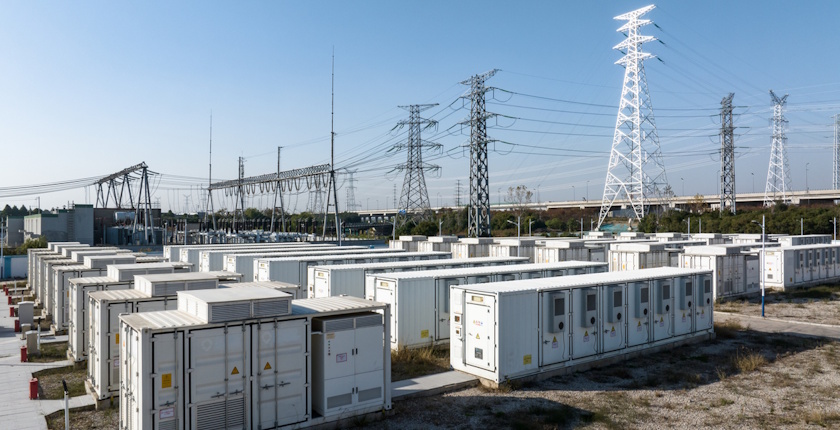
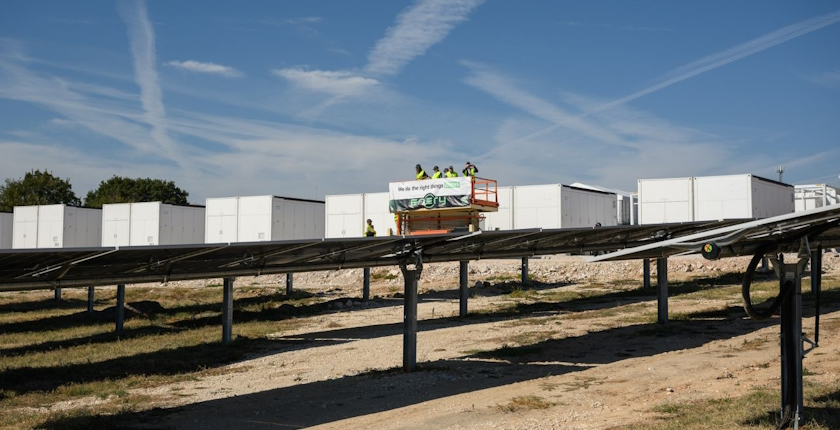
Under the new framework, battery storage can be added to renewable electricity units within a net billing system, although they aren’t allowed to absorb energy from the grid.
Microsolar introduced at up to 800 W
So-called microsolar systems are entering the scene. They are photovoltaic units, up to 800 W, that can be easily installed in balconies or other available surfaces of a building. These small systems can be plugged into any power outlet, without complex administrative or technical procedures.
Specifically, the user signs no contract with the network operator, like in the case of net billing, and doesn’t pay connection costs. A simple declaration is required from an electrician, together with the installation of a directional sensor and a telemetry system for the energy produced.
The network operator would +have to create a digital register, so that anyone interested in microsolar can sign up. These panels are available for retail purchase, even in supermarkets, for about EUR 400 to EUR 1,000 per 800 W.