

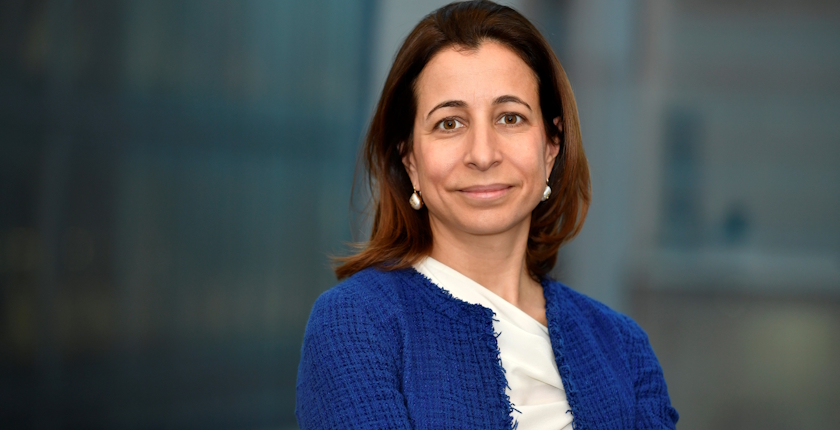
Author: Ines Rocha, IFC`s Regional Director for Europe
The shift toward more sustainable production is a defining challenge for industries worldwide. For the manufacturing sector in the Western Balkans – a region historically reliant on resource-intensive industries – the transition may appear especially daunting. Embracing sustainability, however, is not just a necessity but an opportunity for increased growth, competitiveness, and long-term resilience.
Climate change is no longer a distant problem – its impacts are being felt both globally and locally. The European Union, the Western Balkans’ primary trading partner, has set ambitious targets and taken significant steps to decarbonize its member states’ economies through the European Green Deal.
These include the Carbon Border Adjustment Mechanism (CBAM), which puts a carbon price on selected imports to the EU. As trade with the EU accounts for 73% of the Western Balkans’ total exports, CBAM’s economic impact cannot be underestimated: the Western Balkan 6 – WB6 countries are expected to be among the top 10 most impacted by CBAM.
The stakes are particularly high for heavy industry. Eighty percent of the region’s energy supply is fossil-based, and its energy sector accounts for 75% of total greenhouse gas emissions. The region’s manufacturing industries are heavily reliant on energy from coal and other non-renewable sources, which means they will be hit hard when CBAM becomes fully operational.
Roadblocks to sustainability
The sustainable transition is hindered by several interrelated challenges. Financial constraints are a major obstacle, since cleaner technologies and processes will require significant upfront investment. Making the necessary investments could also reduce price competitiveness in the short term.
Making the necessary investments could reduce price competitiveness in the short term
Compounding this issue is the lack of knowledge and/or resources to adopt sustainable practices effectively, as well as a lack of skilled personnel and talent to implement them. Policy gaps are another issue, with governments still lagging in introducing the necessary enforcement mechanisms, incentives, and strategies.
These challenges and lack of cohesion are slowing progress and leaving industries vulnerable to external pressures. On the plus side, however, these same governments have recently made commitments to sustainability through frameworks like the EU’s Green Agenda for the Western Balkans.
Opportunities for economic development
Despite the challenges, the sustainable transition offers unique opportunities. These include the rising demand for clean industrial products like green steel and critical raw materials integrated in sustainable value chains – vital for industries like automotive manufacturing and construction, shifting toward low-carbon supply chains. The Western Balkans are well positioned to play a significant role in the European supply chains of the future.
Implementing energy-saving measures in the manufacturing sector would also increase efficiency and lower costs, and lead to an estimated 10% reduction in energy consumption by 2050. With surveys showing some consumers are willing to pay more for sustainably produced goods, higher production costs in some cases could also be offset by a price premium.
Some consumers are willing to pay more for sustainably produced goods, so higher production costs in some cases could also be offset by a price premium
Additionally, the sustainable transition can bolster the region’s economic resilience. Diversifying energy sources and increasing their affordability enables local industries to shield themselves from future shocks, such as fluctuations in global energy prices or disruptions in supply chains, ensuring greater predictability and long-term sustainability.
A sustainable transition also promises to generate new and better jobs. These jobs can help fuel growth by diversifying economies, upskilling the workforce, strengthening innovation ecosystems, and bolstering local communities’ resilience (as sustainable jobs are often distributed more evenly over rural and urban areas).
How IFC Can Drive Impact
The International Finance Corporation (IFC), a member of the World Bank Group, is uniquely positioned to help the Western Balkans capitalize on these opportunities. By offering tailored financing solutions, IFC can support firms to invest in clean technologies. IFC also offers advisory services to bridge the technical knowledge gap, equipping companies with the tools to decarbonize operations and optimize supply chains. A recent example is a EUR 106 million loan to Drenik ND in Serbia to develop the country’s first large-scale combined heat and power biomass plant, showcasing IFC’s commitment to fostering sustainable transformation and low-carbon industrial practices.
For the Western Balkan industries, sustainability is not a choice – it is a necessity. The region has a unique opportunity to redefine its manufacturing sector as a modern and competitive global player.