


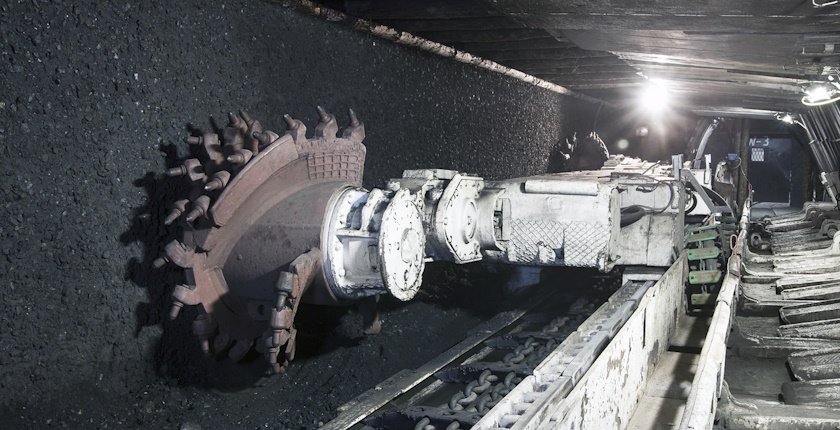
The European Commission approved Slovenia’s EUR 1 billion state aid mechanism for the closure of its last coal mine. The funds cover social costs for workers who have lost or will lose their jobs in Premogovnik Velenje, and the safety and remediation works.
The government program for exceptional costs arising from the gradual closure of Slovenia’s last coal mine has won official approval from the European Union. Under state aid rules, the European Commission gave the green light for the EUR 1 billion scheme.
The aid will help Slovenia phase out coal by 2033 in line with its binding commitment under national law. The beneficiary of the package of support for exceptional costs is state-owned Premogovnik Velenje, together with its three subsidiaries: HTZ Velenje I.P., Sipoteh and PLP.
Slovenia has vowed to end coal extraction by the end of 2033
Coal extraction must be phased out by the end of 2033 . In the meantime, closure works would be carried out in parts of the mine where the activity has already ended. The endeavor is ending by June 2045.
The measure covers social costs for workers who have lost or will lose their jobs due to the mine’s closure, and costs related to safety and remediation works. In particular, to conduct underground safety works, repair damage to the environment caused by mining and re-cultivate land, the announcement adds.
Slovenia’s only coal power plant Termoelektrarna Šoštanj (TEŠ) and its accompanying mine Premogovnik Velenje are under the control of the Slovenian Sovereign Holding (SSH or SDH).
HSE contributing to just transition away from coal
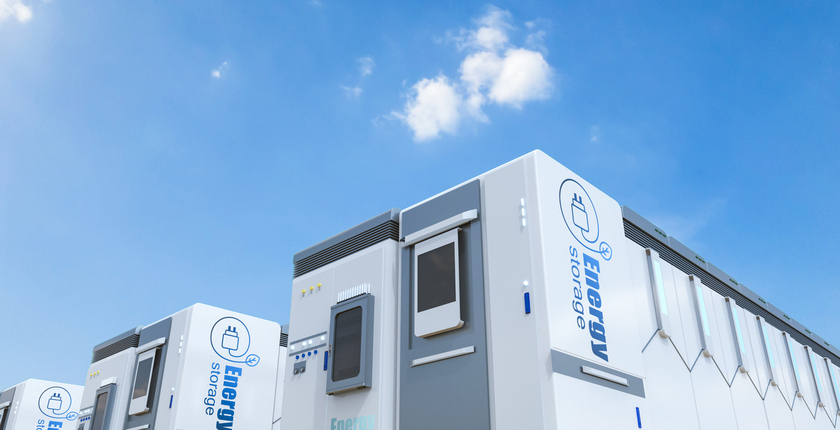
As for other investments in the just transition away from coal in Slovenia, state-owned power utility Holding Slovenske elektrarne (HSE) has built a 9.8 MW photovoltaic plant with a 7 MW battery system in a former mining area. The facility, called Prapretno, is the largest of its kind in the country.
The same company is developing the Družmirje project for a 120 MW floating solar farm next to the Šoštanj coal plant. Of note, HSE recently spun off its beleaguered subsidiaries TEŠ and Premogovnik Velenje.
Closing, remediating uncompetitive mines is part of EU’s strategy
The European Council’s Decision 2010/787/EU provides guidance on how the European Commission should assess the compatibility of state aid to facilitate the closure of uncompetitive coal mines.
The closure of uncompetitive mines is aligned with the EU’s objectives and priorities set out in the Clean Industrial Deal and with other recent regulatory changes in the energy and environmental areas. Presented by the European Commission in February 2025, the Clean Industrial Deal aims to strengthen the competitiveness and resilience of European industry while accelerating industrial decarbonisation and the transition to a clean economy. It builds on the climate objectives established under the European Green Deal and the European Climate Law, which set the legally binding objective of achieving climate neutrality by 2050 and an intermediate target of reducing net greenhouse gas emissions by at least 55% by 2030, compared with 1990 levels.