


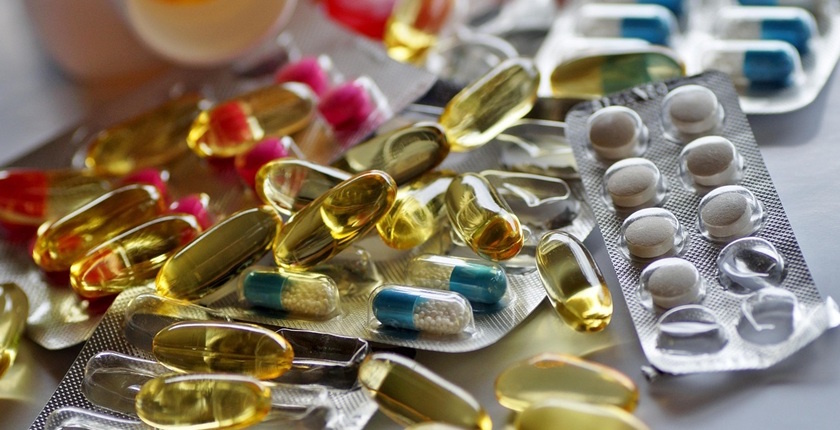
Serbia has started a pilot project for the management of medicine waste in households. It will be implemented in three cities: Belgrade, Novi Sad, and Niš.
As of September 1, unused and expired medicines can be returned to 13 pharmacies in the Belgrade municipality of Zvezdara. This is part of the Vrati lek (Return the Medicine) pilot project.
It will run in Belgrade for one month, followed by Novi Sad in October and Niš in November.
The pilot project was launched by the Ministry of Environmental Protection and the Chamber of Commerce and Industry of Serbia (PKS).
“Unused and expired medicines must not be disposed of with household waste or thrown down the drain. Their improper disposal pollutes water, soil, and food,” PKS stressed.
When you no longer need a medicine or it expires, return it to the pharmacy
The message of the program is simple: when you no longer need a medicine or it expires, do not throw it away, return it to the pharmacy, where they know how to safely dispose of it.
Only medicines obtained in pharmacies can be returned, regardless of whether they are prescription or over-the-counter drugs. To assist citizens, PKS has published two guidelines and a list of participating pharmacies in Belgrade.
According to Sara Pavkov, Minister of Environmental Protection, citizens can return medicines classified as non-hazardous pharmaceutical waste.
Pavkov: An important step toward establishing a household pharmaceutical waste management system
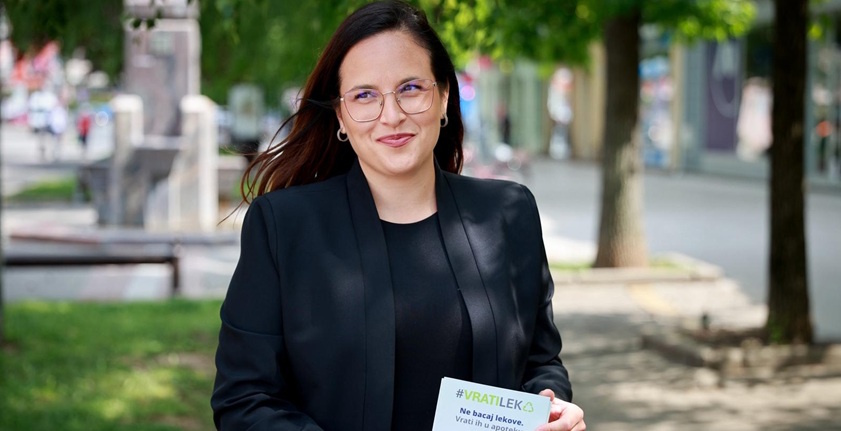
This project does not cover cytostatics, medical devices such as thermometers, syringes, and needles, nor products classified as dietary supplements, such as supplements and vitamins, as they are not medicines, she explained.
She added that products used for cosmetic purposes are also excluded.
In her words, the project represents a significant step toward establishing a system for the collection, safe storage, transport, and disposal of household pharmaceutical waste.
“We want to provide citizens with a simple and safe way to do the right thing. Every medicine that ends up at a designated safe disposal site instead of in the trash bin or down the drain is a small but important contribution to environmental protection,” she underscored.
Pavkov added that the pilot project marks an important step toward establishing a functional, accessible, and sustainable household pharmaceutical waste management system.