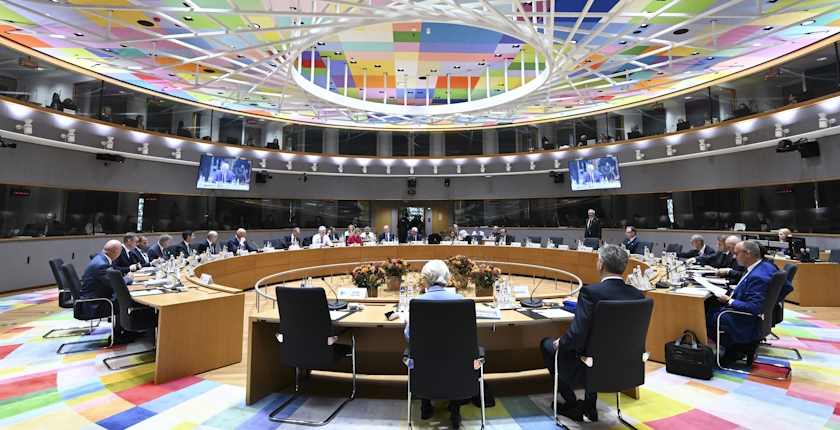



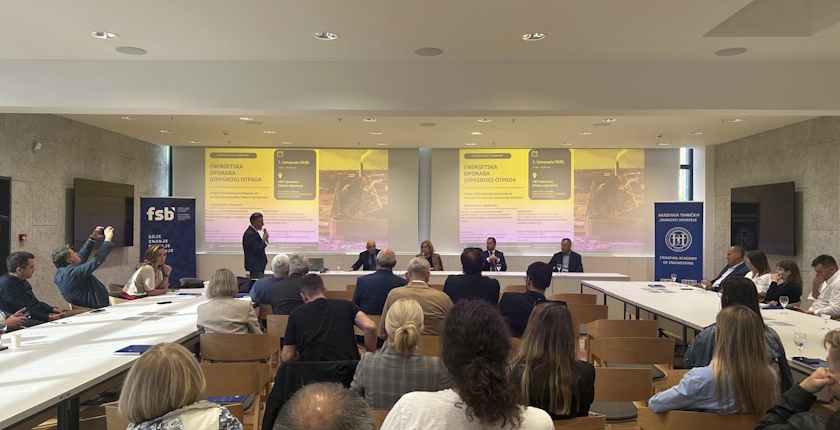
Croatia needs four waste-to-energy plants to manage waste that cannot be utilized otherwise, according to the participants of a round table on recovering energy from (hazardous) waste, organized by the Croatian Academy of Technical Sciences.
Croatia has been shaken in recent weeks by a scandal involving the illegal dumping of at least 30,000 tonnes of waste, some of which was hazardous. It was stored at multiple locations, including the town of Gospić. In early September, tens of thousands of citizens rallied at a protest in the Croatian capital, Zagreb.
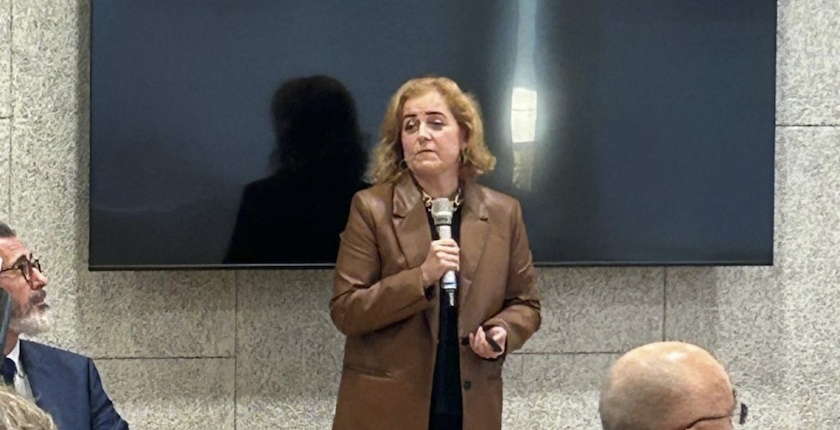
Maja Feketić, Head of the EU funds sector at the Environmental Protection and Energy Efficiency Fund (FZOEU), presented plans for the construction of waste-to-energy plants.
Croatia needs four energy-from-waste facilities to manage waste that cannot be utilized otherwise, she said, local media reported. She also stressed that plants for recovering energy from hazardous waste are not planned for now, although this will also have to be considered.
No hazardous waste incineration is planned
The first waste incineration plant will be built at the location of the Bikarac waste management center near Šibenik. The planned capacity is 130,000 tonnes per year, and it would be intended for the recovering energy from refuse-derived fuel from the area of four Dalmatian counties: Split-Dalmatia, Šibenik-Knin, Zadar, and Dubrovnik-Neretva. The project is currently in the design phase, according to FZOEU.
In parallel, the Orlovnjak cogeneration plant project is being developed in the area of the Osijek free zone, with a planned capacity of 54,000 tonnes per year. The plant would be intended for the energy recovery of waste from the Slavonia region.
Private investors are also interested
The first session of the expert council in the environmental impact assessment (EIA) procedure has already been held for the project.
Interest in developing such projects is also being expressed by other cities, including Rijeka. The city has submitted a request to the fund regarding the possibility of building a plant for the energy recovery of refuse-derived fuel and dried sludge from the Marišćina, Kaštijun, and Babina Gora waste management centers.
Zagreb is also mentioned as a potential location for developing such infrastructure, and interest exists among private investors as well.
It is important that the system develops in accordance with the waste management hierarchy
“Energy recovery represents an important upgrade of the waste management system and a continuation of the development of waste management centers. Its role is to enable the utilization of that part of the waste that cannot be reused or recycled, while simultaneously reducing the quantities disposed of in landfills,” Feketić pointed out at the gathering, held at the Faculty of Mechanical Engineering and Naval Architecture, University of Zagreb.
At the same time, it is important that the system is developed comprehensively, in line with the waste management hierarchy, in which waste prevention, reuse, and recycling always take priority.
Speaking about financing opportunities for future plants, Feketić pointed out the European Union’s Modernisation Fund as one of the potential sources of funds until the end of 2030. Other financing models will also be considered for further investments, including loans, public-private partnerships, and innovative funds, she added.
Schneider: Sisak and Kutina also plan waste-to-energy facilities
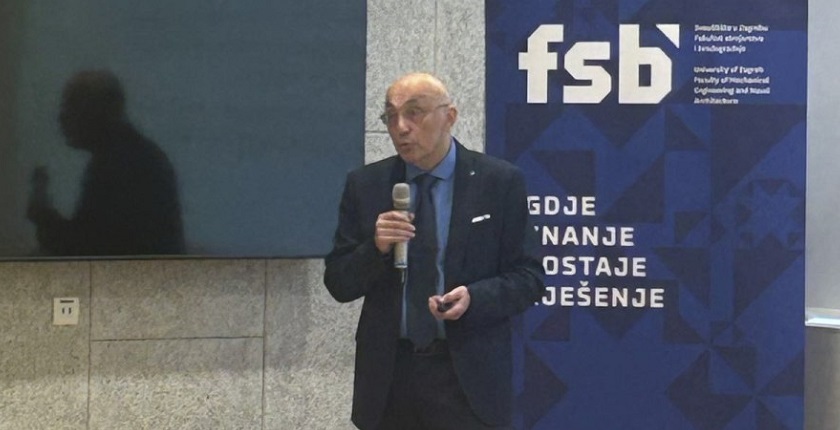
Daniel Rolph Schneider from the Faculty of Mechanical Engineering and Naval Architecture confirmed that Croatia needs four plants for recovering energy from waste, because estimates point to 350,000-500,000 tonnes of refuse-derived fuel per year.
This assessment also includes other materials that these plants may eventually use, such as sludge from wastewater treatment plants, as well as other non-recyclable waste, he explained.
He stated that C.I.O.S. plans an energy-from-waste plant in Sisak, and Kutina also is developing a project.
Plant in Serbia in trial operation
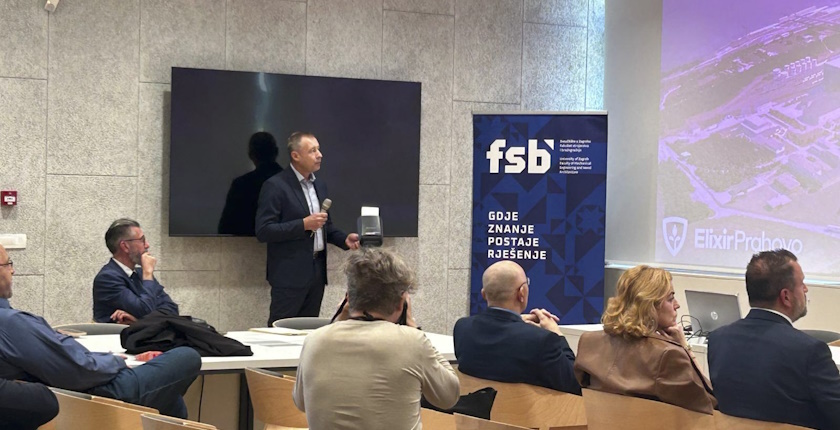
Perica Jukić from Eco energy spoke about a plant in Prahovo, Serbia, a project he is involved in. The facility has a modern flue gas cleaning system, he said, and added that the best equipment has been installed.
Citizens were informed about the construction, which he considers important. They were able to come and ask questions, Jukić added. Transportation was even organized for citizens to go to neighboring countries and view such plants.
According to Jukić, the plant is in trial operation and already producing heat for a nearby factory, as reported by TehnoEko. In the second phase, the introduction of cogeneration is being considered, which would enable the generation of electricity as well.
Project worth EUR 120 million
The value of the project amounts to EUR 120 million, and the plant is designed for energy recovery from approximately 100,000 tonnes of hazardous and non-hazardous waste per year, Jukić said.
The processing of various types of solid and liquid waste is also planned, including certain types of hazardous waste, sludge, as well as waste railway sleepers.
He emphasized the importance of timely information and involvement of the local community. Jukić also expressed readiness to transfer the experiences and knowledge gained during the project’s realization to Croatia as well.
Of note, Serbia already has one waste incinerator. It is located at the Waste Management Center in Vinča, near the country’s capital Belgrade.