


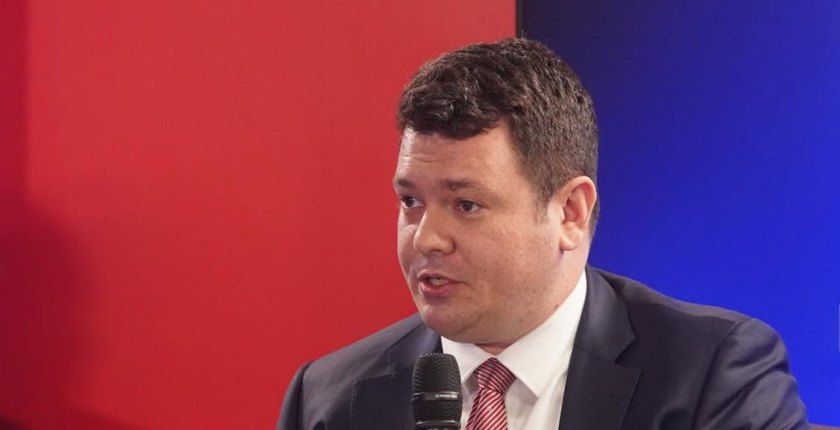
Cosmin Ghiță, CEO of Romania’s state-controlled nuclear power producer Nuclearelectrica, has resigned amid “shortcomings” related to the joint venture developing a 462 MW small modular reactor (SMR) project in Doicești, as well as the project itself. Ghiță’s resignation comes after a government body identified the issues and recommended determining the accountability of Nuclearelectrica’s top executives and other individuals.
Last month, Acting Prime Minister Ilie Bolojan’s control body said that it had identified several shortcomings related to Nuclearelectrica’s partnership with state-owned energy company Nova Power&Gas in a joint venture called RoPower Nuclear, established to develop the nuclear power plant in Doicești using US-based NuScale’s SMR technology, according to Profit.ro.
The body said that it had also identified shortcomings related to the Doicești project itself, and it recommended “an analysis of the possibility of holding accountable” the top people of Nuclearelectrica and other individuals.
Shortcomings have also been identified concerning the SMR project itself
Nuclearelectrica has rejected the findings.
The Ministry of Energy said it “respects” the resignation and that it had been informed the CEO’s decision came “in the context of a new professional opportunity.”
According to government spokesperson Ioana Dogioiu, Ghiță’s 90-day notice period may be shortened by mutual agreement, after which a selection process for a new CEO will take place.
Ghiță has been at the helm of Nuclearelectrica for nearly nine years, since September 2017. He previously served as advisor to Romania’s prime minister on energy security and energy policies, according to Nuclearelectrica’s website.
Ghiță has been at the helm of Nuclearelectrica for nine years
The Ministry of Energy also said that Nuclearelectrica and its Cernavodă nuclear power plant continue to operate as usual and that it will take all necessary steps to maintain the company’s stability and continuity.
Cernavodă, Romania’s only nuclear power plant, has been offline since August 13. The plant, which normally generates about 20% of Romania’s electricity, has been unable to ensure enough reactor cooling water from the Danube due to heatwaves and drought.