


The International Atomic Energy Agency (IAEA) has launched a global initiative to promote nuclear energy in shipping and floating nuclear power plants. The initiative, called ATLAS (Atomic Technologies Licensed for Applications at Sea), is backed by 26 countries, including many of the world’s largest economies, as well as Slovenia, Romania, Greece, and Turkey.
ATLAS is a global initiative to support the safe, secure, and peaceful use of nuclear power in civilian shipping and floating nuclear power plants, the IAEA said in a press release from the United States-hosted International High-level Forum on the ATLAS Launch, which brought together around 600 participants from over 50 countries, as well as international organizations, industry leaders, maritime companies, and port authorities.
At the forum, 26 countries signed a joint statement supporting ATLAS, including the United States, the United Kingdom, France, Italy, Canada, Japan, South Korea, India, Finland, Norway, the Netherlands, the United Arab Emirates, and Brazil.
Of the countries tracked by Balkan Green Energy News, the joint statement was signed by Slovenia, Romania, Greece, and Turkey.
Germany, China, and Russia are not among the signatories.
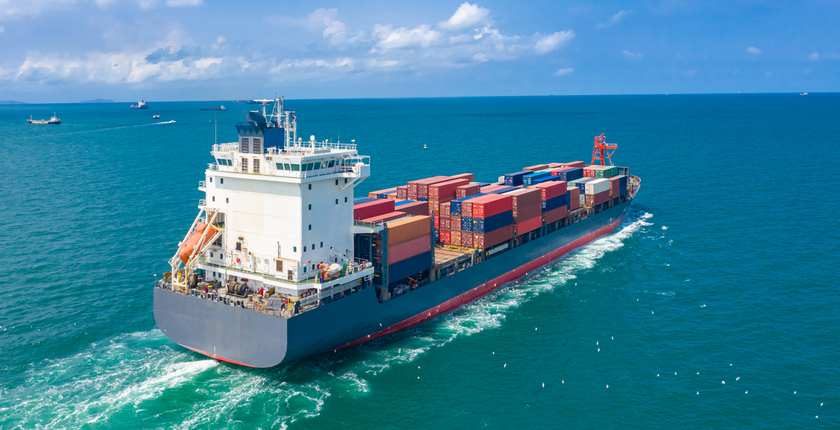
Maritime transportation already carries around 80% of global trade, and demand for seaborne trade continues to grow by around 2% annually, the IAEA said in the press release, adding that this means the world needs reliable long-distance transportation solutions that enhance energy security.
SMRs could allow ships to sail longer without refueling, while floating nuclear plants could supply coastal and offshore communities and industry
Nuclear power, including advanced and innovative reactor technologies such as small modular reactors (SMRs), offers high energy density and long endurance, which could allow ships to operate for extended periods without refueling, the IAEA noted.
At the same time, floating nuclear power plants could provide reliable energy to coastal and remote communities, as well as to offshore industries where conventional infrastructure is limited, it added.
Bringing together the nuclear and maritime sectors
IAEA Director General Rafael Mariano Grossi described nuclear power as a potential turning point for the maritime sector.
“By bringing together the nuclear and maritime sectors, we have the opportunity to shape the future of two crucial industries – energy and shipping – and to build global confidence in the safe, secure and peaceful use of nuclear technology at sea,” he stated.
Nuclear energy, in particular from advanced SMRs, could pave the way for higher-speed maritime transportation without the need for frequent refueling. At the same time, innovations such as floating nuclear power plants could provide reliable electricity to coastal or remote communities and industry, according to the joint statement.
Wright: The US seeks to restore its nuclear leadership
At the opening session of the forum, held in Washington, D.C., US Secretary of Energy Chris Wright said that ATLAS complements President Donald Trump’s efforts to restore American nuclear leadership, adding that the US is committed to carrying this momentum forward with the IAEA and its international partners.
The IAEA will begin implementing ATLAS this year, through six expert project groups, to address the safety, security, safeguards, and regulatory aspects of the initiative, according to the press release.