



Only a quarter of the planned July imports of petroleum products into Serbia have arrived, as the water level of the Danube is low, but also due to disruptions on the global market and high prices, the Ministry of Mining and Energy said. Minister Dubravka Đedović Handanović pointed out that stocks at wholesalers are significantly low. She added that quantities under state control are a backup solution, especially in the event that the United States does not extend Serbian refiner NIS’s license to operate.
Minister of Mining and Energy Dubravka Đedović Handanović spoke with the General Secretary of the Association of Oil Companies of Serbia (UNKS) Tomislav Mićović about the state and supply of the domestic petroleum products market.
They acknowledged that importing petroleum products is significantly difficult due to the low water level of the Danube and global circumstances – in particular, the disruptions on the world market and the rise in crude oil prices as well as quotations in the Mediterranean, the ministry said.
“So far, only about 25% of the planned imports of petroleum products in July have been realized. Due to the low water level of the Danube, importing is difficult, because barges can transport only 30% to 40% of the total capacity. In that situation, transport by trucks or railway is conducted, but that is not enough to import all planned quantities, it is more expensive and it affects prices, which are already exceptionally high,” the minister pointed out.
Pančevo refinery is crucial for supply
It is clearly visible from the current situation that the refinery in Pančevo is crucial for the regular supply of petroleum products, Đedović Handanović asserted.
For context, the United States imposed sanctions on NIS more than a year and a half ago. It owns the only oil refinery in Serbia and operates the biggest chain of service stations. The firm is majority-owned by Russian state-controlled company Gazprom, mostly through Gazpromneft.
However, the administration in Washington DC has been extending licenses for a few weeks or months at a time, for transactions and supply via the Janaf oil pipeline, except for a three-month blockade in the fourth quarter of last year.
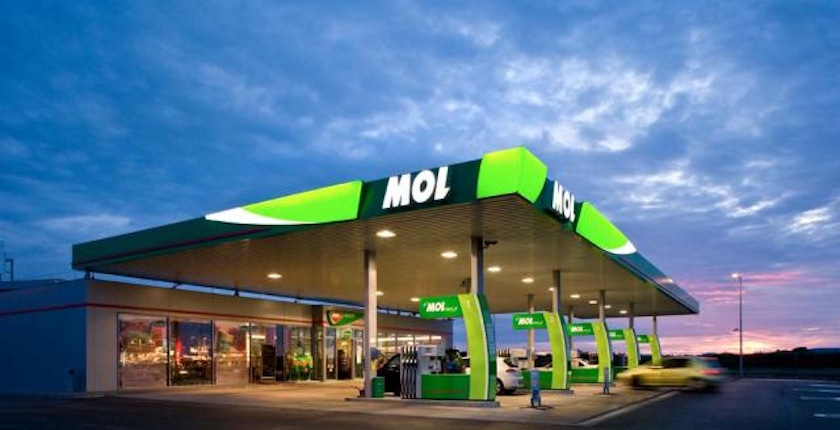
In the meantime, negotiations began about selling the controlling stake to Hungarian MOL Group. The process has dragged on, and the outcome is uncertain. The current extension and the deadline for negotiations expire at the end of this month.
“Demand on the market has increased, as always in this period of the year, but apart from the natural, seasonal growth, there is also additional pressure in wholesale, due to the constant growth of prices on the market. This growth is primarily affected by global conflicts, because of which the state intervened by reducing excises by 20%, so that we stabilize the market,” the minister stated.
Extending NIS license would enable maximizing output
There was also word about the reserves of petroleum products.
“Due to increased demand and difficulties impacting imports, stockpiles of oil companies, which are also wholesalers, have significantly dropped. State reserves of diesel amount to 269,000 tons, and additional quantities are incoming. Regardless of our quantities in stock, which have been doubled in the last three years and which we continue to increase, they are a backup solution, which we will use in an emergency,” Đedović Handanović stated.
If NIS doesn’t get its license extended, supply will depend on state reserves
The minister concluded that an extension of the operating license for NIS – Naftna industrija Srbije – would enable its refinery in Pančevo to maximize processing and production of oil and derivatives, respectively, to overcome the situation regarding the reduction in imports caused by logistical challenges that occur due to weather conditions, high prices and import costs.
“If NIS doesn’t get its license extended, supply will depend on state reserves, because importing has become significantly difficult, the water level of the Danube is very low, consumption is at its peak. The license would ensure that the refinery operates at a maximum, that it regularly supplies our market, but it is also important for broader regional security of supply in conditions of disruptions that affect other countries as well,” the minister concluded.
Strategic dialogue with the US easing fears about NIS
Serbia and the US have just launched strategic dialogue, with an emphasis on energy – specifically the project for pumped storage hydroelectric power plant Đerdap 3, alongside the possibility of joining the so-called Vertical Gas Corridor. It is an initiative in which American liquefied natural gas (LNG) has a major role in supplying Central and Eastern Europe via Greece.
The diplomatic efforts sparked optimism regarding the resolution of the dispute over NIS.