

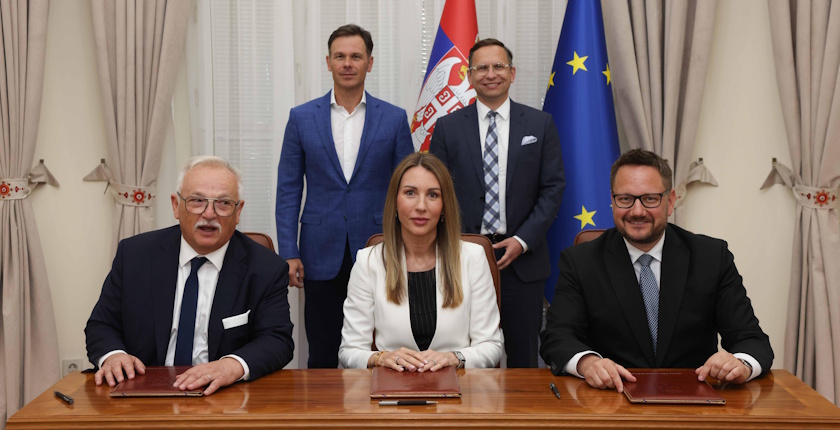
The Serbian government and Hungary’s MOL Group have signed a shareholders’ agreement on the management of Serbia-based oil company Naftna Industrija Srbije (NIS). The agreement will enter into force if MOL acquires NIS from its current Russian owners.
The shareholders’ agreement defines how NIS would be managed in the future, as well as the structure and decision-making processes of its governing bodies, and its strategic objectives.
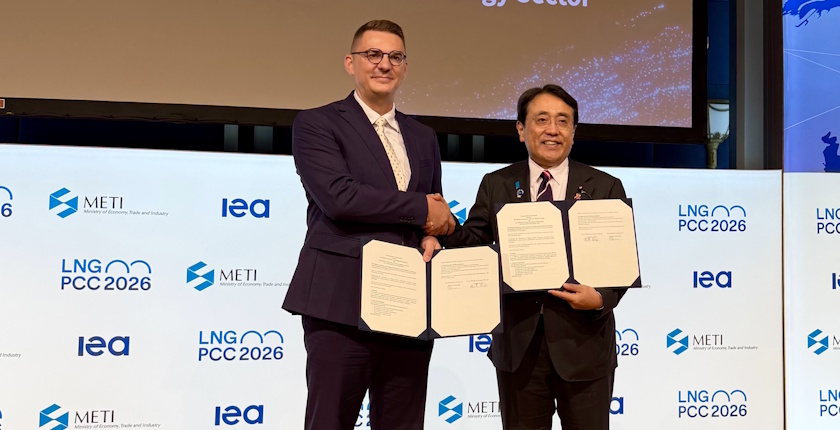
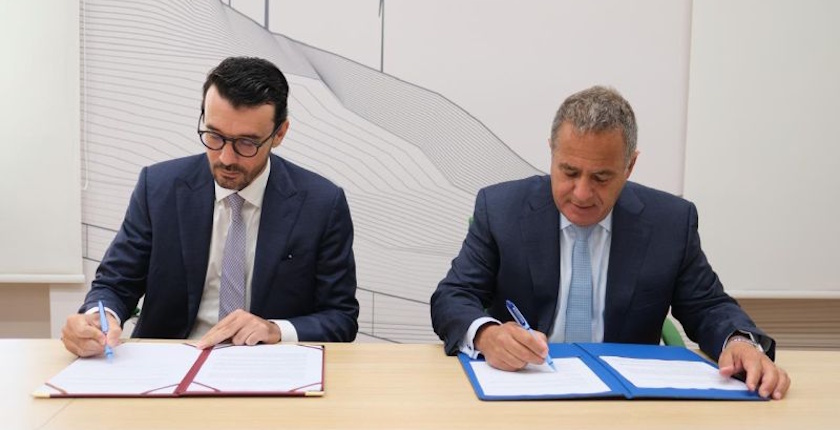
The Serbian Ministry of Mining and Energy has said the agreement with MOL Group was signed by Minister Dubravka Đedović Handanović.
The agreement, previously adopted by the Government of Serbia, will enable MOL Group, if it becomes the majority owner, to continue NIS’ development, ensure supply to the Serbian market, and maintain operations at the Pančevo oil refinery, according to the ministry’s statement.
NIS’ refinery would operate for at least ten years at the same capacity as before the US sanctions
In addition to signing an acquisition agreement, the transaction requires further regulatory approvals. MOL Group is continuing negotiations with Gazprom Neft regarding the acquisition of its 56.15% stake in NIS.
“This agreement will enter into force only if MOL Group and Gazprom Neft agree on the sale and purchase contract, and if it is approved by the US Office of Foreign Assets Control (OFAC),” said Đedović Handanović.
Under the agreement, Serbia would buy an additional 5% stake in NIS, and the refinery would operate for at least ten years at the same capacity as in the four years before the introduction of US sanctions, according to her.
The agreement ensures that there will be no disruption in the operations of NIS’ subsidiaries
“The agreement also ensures that there will be no disruption in the operations of subsidiaries, including Petrohemija. Our representatives on the board of directors will have greater influence over decisions that are made,” Đedović Handanović said.
“NIS is critical energy infrastructure that affects our GDP, and, as we have publicly communicated over the past months, the state has managed to reach an agreement with Hungary’s MOL Group as a potential buyer of NIS, which will protect our market and security of supply if they reach a sale agreement,” she stressed.
According to the ministry, the agreement enables the future majority shareholder to assume responsibility for professional management, stable operations, and value-creating investments in NIS.
“Upon successful completion of the transaction, MOL Group will ensure supply to the Serbian market and the operation of the Pančevo refinery, while further strengthening the network and logistics links of MOL Group’s energy facilities,” reads the statement.
Hernádi: MOL will do everything to make NIS stronger and more profitable
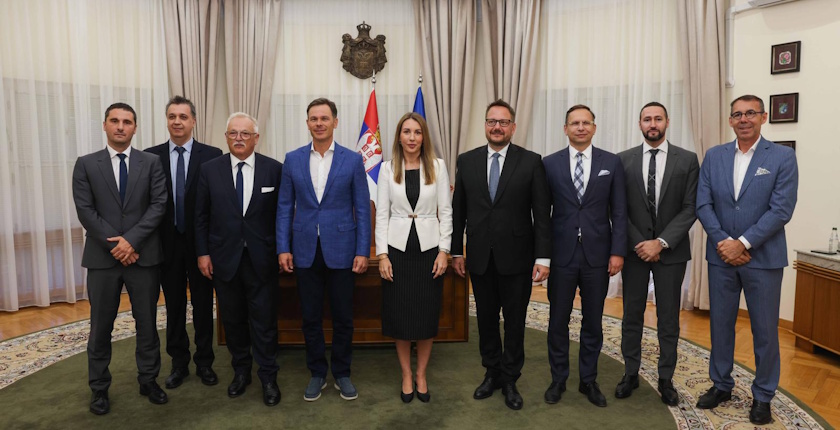
Zsolt Hernádi, Chairman and CEO of MOL Group, said the agreement on the management of NIS was the result of constructive negotiations with the Government of Serbia.
He said that upon successful completion of the transaction, MOL, as the majority shareholder, would be able to manage NIS efficiently and professionally. Hernádi added that the two sides would be able to begin working together with clearly defined responsibilities and decision-making processes, putting an end to a long period of uncertainty.
He said MOL would do everything to make NIS stronger and more profitable, and to be seen by Serbia as a reliable partner.
However, according to him, the agreement does not represent the end of the acquisition process. It is still necessary to reach an agreement with the seller and to obtain approval from the United States, he recalled.
Hernádi is optimistic about the completion of the entire transaction
Hernádi said he was optimistic, as the transaction would make it possible to further strengthen security of supply for the entire region and achieve a higher level of cooperation among energy companies in Central and Eastern Europe.
The Serbian ministry noted that the agreement between MOL Group and Gazprom Neft for the acquisition of a 56.15% stake in NIS was still being finalized.
It added that MOL had taken the necessary steps to obtain an extension of its OFAC license for negotiations.