


The Association of Prosumers and Energy Communities in Romania (APCE) claimed merits for keeping the electricity grid in balance. Together with most of the European Union and the Balkans, the country’s energy system is suffering from a historic drop in river water flows, which is incapacitating hydropower plants, while it also took offline one of the two reactors in the Cernavodă nuclear power plant and is disconnecting the other one. The situation is similar in Hungary, Serbia and Bulgaria. In addition, Romania is launching emergency limitations for fuel prices due to disruptions in oil supply via Russia.
Power suppliers in Romania must pay dearly for electricity that they need to meet obligations toward their clients, according to President of APCE Dan Pîrșan. He noted that the law on prosumers has just entered into force.
Over 150,000 of them already have battery energy storage systems (BESS), the head of the Association of Prosumers and Energy Communities in Romania pointed out. It implies less demand pressure in the evening. The number of prosumers has surpassed 360,000, accounting for more than 4 GW overall, Pîrșan claimed.
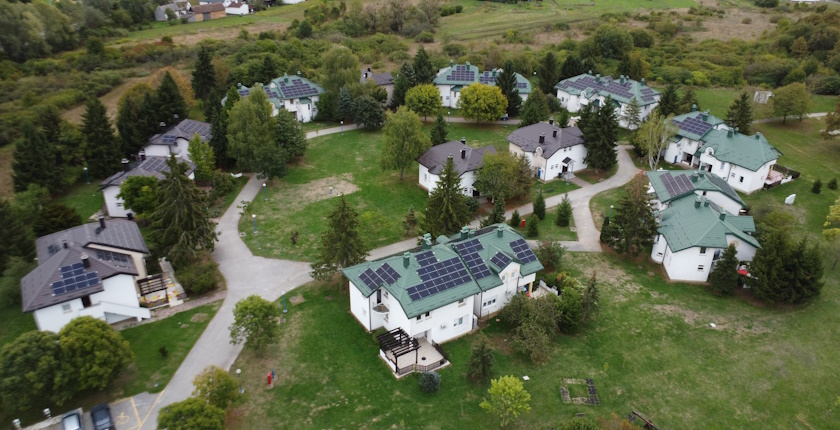
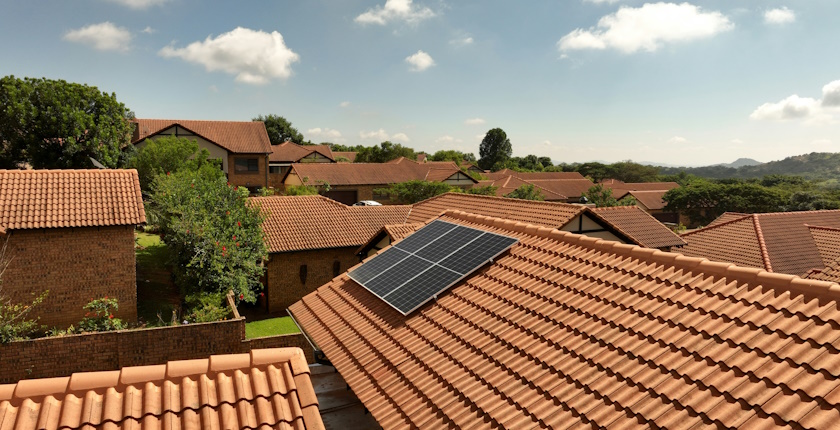
The category comprises households, institutions and small firms that produce, or also store, energy for self-consumption. The vast majority are rooftop solar power systems, of which some include battery storage. Romania is among the most advanced countries in the world in the segment.
As prosumers consume their energy locally and inject the surplus into the grid, they reduce the load on the electric network, which has been underfunded and left without upgrades for years, the statement reads. The association stressed that inverters are shutting down amid instability.
Romania requires massive emergency power imports
The Danube river is at historic lows, choking hydropower production. Furthermore, the disaster prompted the shutdown of one of the two reactors in Romania’s sole nuclear power plant Cernavodă. State-owned operator Nuclearelectrica said it is disconnecting the other one, too. They have 706.5 MW each.
River water is necessary for reactor cooling. The authorities said they made the cut to prevent the failure of some of the cooling pumps. It would require complex repairs, lasting up to a year.
Pîrșan: More than 150,000 of prosumers have battery systems
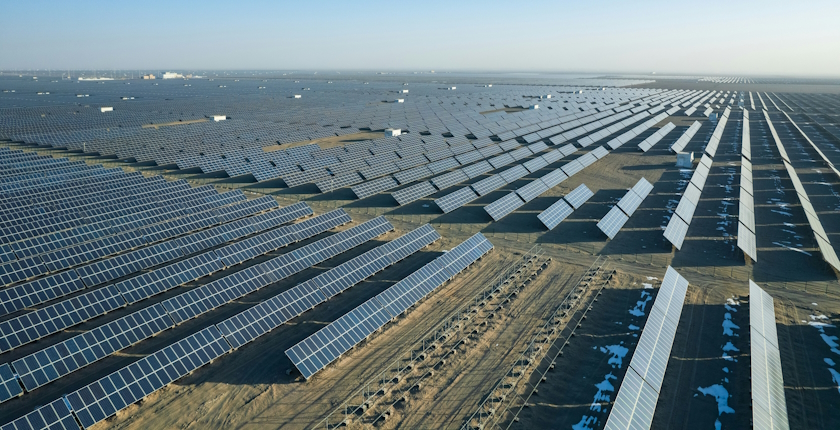
The weight of the diurnal energy balance is on renewables, excluding hydro, Pîrșan underscored. The country hosts another 3.4 GW in photovoltaic parks, he added.
Peak consumption this week is officially estimated at 7.3 GW, versus 4 GW to 4.3 GW of domestic production, implying extremely high imports.
Upstream on the Danube, Hungary’s PAKS nuclear power plant halved its activity to under 1 GW. One of the four reactors ceased production completely.
To make matters worse, Minister of Energy of Bulgaria Iva Petrova warned that the Kozloduy nuclear power plant may need to go offline as well for the same reason. The 2 GW facility consists of two reactors of the same size.
Fuel supply crisis strikes as well
At the same time, diesel fuel has topped the psychological mark of RON 10 (EUR 1.91) per liter for the first time since April. Service station chains have lately been hiking prices a couple of times each day.
The jump was mostly attributed to the disruption of shipments of oil from Kazakhstan via the Caspian Pipeline Consortium (CPC) terminal in Novorossiysk on the Russian Black Sea coast.
Ukraine has reportedly attacked the complex and tankers with drones, forcing a shutdown. Outages lasted several days.
Romania has just passed a law facilitating state of emergency measures. They include limits on fuel price hikes.
Kazakh state-owned company KazMunayGas (KMG) is the majority owner of Rompetrol Rafinare, the operator of the Petromidia refinery. Its capacity is 5.9 million tons per year, or 46.3% of the country’s total.
Kazakhstan provides two thirds of Romania’s crude oil imports. CPC handles some 80% of the Central Asian country’s shipments abroad. Romania is a net diesel importer. Gasoline costs up to RON 9.24 (EUR 1.76) per liter.
Neighboring Serbia is also suffering from a sharp drop in fuel imports and hydropower production because Danube is drying up. Of note, some chains of service stations in Croatia have limited fuel quantities per customer.