


Businesses and parts of the public sector in Serbia can tap into a new credit line totaling EUR 43 million to finance energy efficiency and renewable energy investments.
UniCredit Bank Serbia and Germany’s KfW Development Bank, with funds provided by the German Federal Ministry for Economic Cooperation and Development (BMZ) and the European Union, have established a new EUR 43 million credit facility.
UniCredit Bank, as a partner bank within the program, will enable access to these funds, providing companies and parts of the public sector with additional support for investments in energy efficiency and more sustainable operations under favorable financing conditions, UniCredit Bank Serbia said.
The loans are intended for small and medium-sized enterprises, including larger companies with up to 1,000 employees
The initiative is part of the EUR 47.3 million “Low Carbon Energy Facility” project. The program is financed by a KfW loan of EUR 43 million and a grant from the EU of EUR 4.3 million, provided through the Regional Energy Efficiency Program.
The loans are intended for small and medium-sized enterprises, including larger companies, with up to 1,000 employees. Clients are eligible for financing of up to EUR 1 million per beneficiary, with a grant of 10% of the loan amount.
With the approval of the German development bank, the amount can reach up to EUR 3 million per client, the update reads.
Around 300 companies are expected to benefit from this credit line
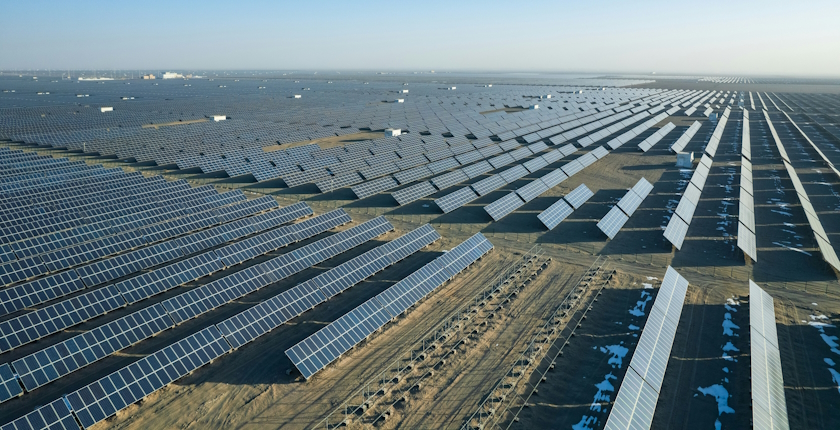
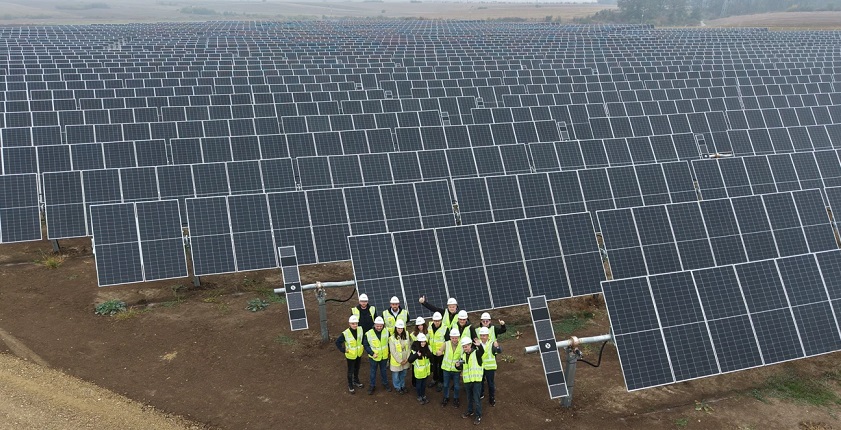
The funds can be used for energy efficiency measures, installation of solar panels on the roofs of commercial and warehouse buildings, switching to low-carbon energy sources such as biomass and biogas, as well as for all other measures that contribute to air quality and a healthier and more sustainable business environment.
The program is part of broader support for Serbia’s energy transition and is being implemented in the period from 2025 to 2028. Around 300 companies are expected to benefit from this credit line.
Based on experience from similar programmes, it is estimated that it will contribute to reducing energy consumption by 34,000 MWh per year and reducing carbon dioxide emissions by approximately 24,000 tonnes per year.
Vuletić: This initiative much broader than a credit line
According to Nikola Vuletić, Chairman of the Executive Board of UniCredit Bank, Europe is currently undergoing a profound energy and technological transformation, and the bank believes that it is important for the Serbian economy to be an active part of it, not an observer.
“Companies that invest in energy efficiency and renewable energy sources today are not only solving the issue of costs, but are building sustainable business models that will determine market leaders tomorrow”, he explained.
That is why the bank sees we see this initiative much broader than a credit line – as an investment in the competitiveness of the Serbian economy and its ability to respond to the challenges of the future, Vuletić pointed out.
Albat: Financing small and medium-sized enterprises directly brings measurable benefits
KfW Portfolio Manager Melina Albat stressed that financing small and medium-sized enterprises directly brings measurable benefits – lower energy consumption, lower emissions and a more resilient economy.
The EU supports this credit line because it brings concrete benefits to the Serbian economy — it enables small and medium-sized enterprises to invest in energy efficiency and renewable energy sources, reduce energy costs and operate in a cleaner and more competitive way, according to Mauro di Veroli, Head of Cooperation of the EU Delegation to the Republic of Serbia.