


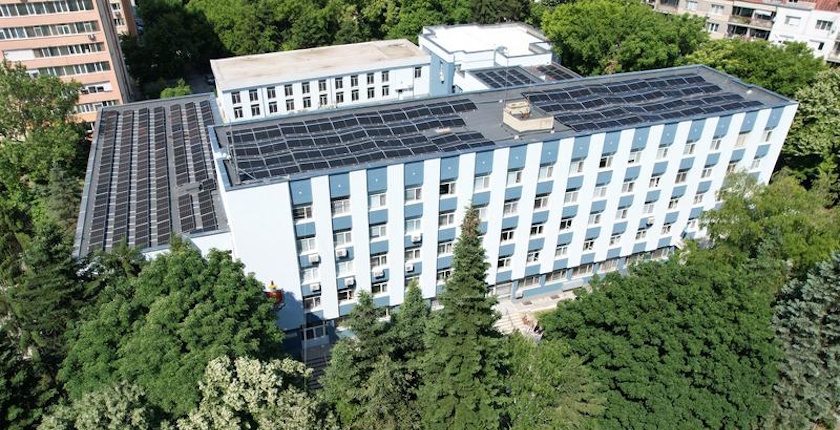
Energy efficiency upgrades across more than 570 non-residential buildings in Bulgaria cut primary energy consumption by at least 30% for each individual facility. A nationwide program was implemented by the Ministry of Regional Development and Public Works.
The initiative was backed by nearly EUR 346 million in funding from the National Recovery and Resilience Plan (NRRP) under two procedures: support for sustainable energy renovation of public building stock for administrative services, culture, and sports; and support for energy renovation of buildings in the sphere of production, trade, and services.
In total, the measures modernized over 1.77 million square meters of floor space, equivalent to 248 football fields, with commercial infrastructure making up slightly over 1 million square meters, according to the Ministry of Regional Development and Public Works.
Cultural assets account for nearly 37% of the public buildings
Within the program, 340 state and municipal buildings were renovated, including administrative structures, public service facilities for culture and art, structures of the Ministry of Interior, regional fire safety and civil protection units, and sports halls.
Cultural assets, including community centers, museums, concert halls, theaters, and galleries, have a nearly 37% share of the public buildings, most of which had not been renovated in recent decades.
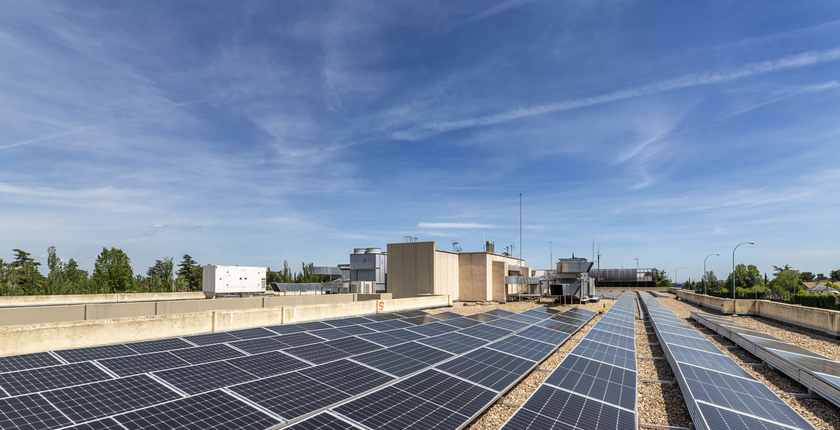
In the private sector, energy efficiency was improved across more than 230 commercial properties, including enterprises, warehouses, retail spaces, service centers, and hotels.
Annual primary energy consumption will fall by approximately 366 million kWh
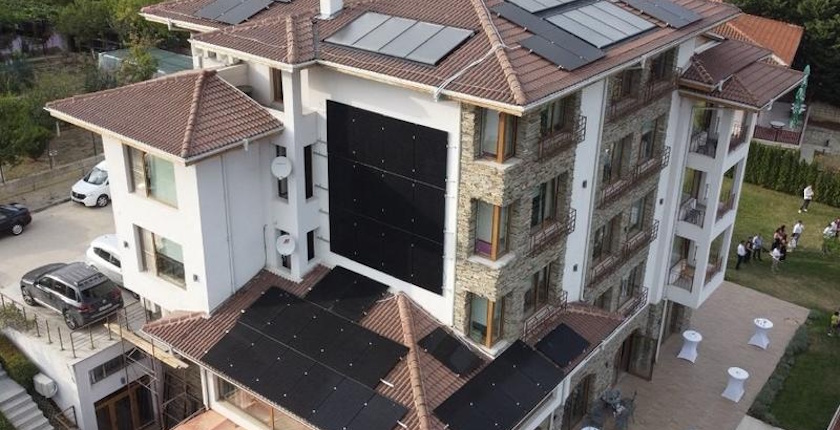
The technical interventions across both sectors have yielded significant results.
Annual primary energy consumption will fall by approximately 366 million kWh, achieving at least a 30% primary energy savings threshold for every individual site, the ministry pointed out.
All sites were renovated for accessibility for people with disabilities
The energy retrofits lower energy consumption and operational maintenance expenses, enabling public institutions to manage their financial resources more effectively, the ministry added.
In addition to complete building retrofits, the physical works included thermal insulation, roof waterproofing, window frame replacements, the installation of energy-efficient technical systems, and interior modernization.
All sites were renovated for accessibility for people with disabilities, along with overhauled sanitary facilities and improved surrounding outdoor environments.