


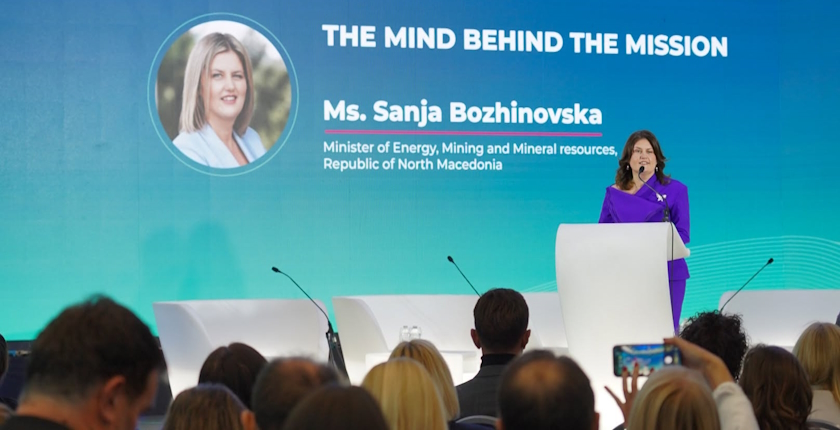
European energy security isn’t confined to the borders of the European Union, said North Macedonia’s Minister of Energy, Mining and Mineral Resources Sanja Božinovska. Opening the first Energy Diplomacy Forum in Skopje, she argued that it depends on how resilient, connected and stable the Western Balkans are. Amid geopolitical turmoil, diplomacy is one of the most important instruments of energy policy, Božinovska underscored.
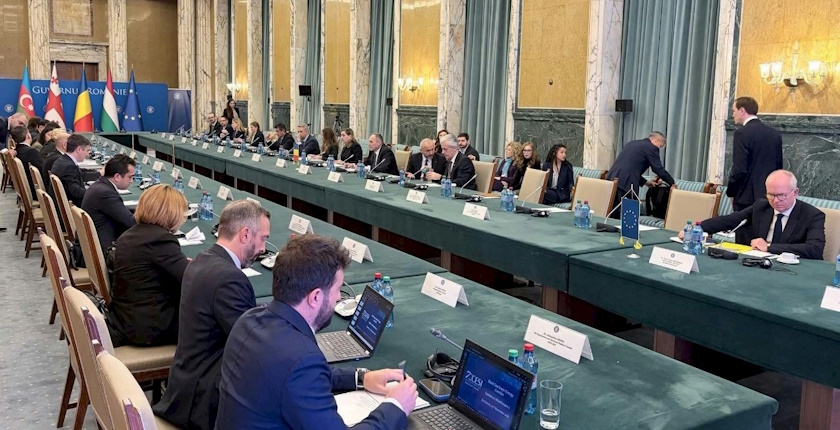
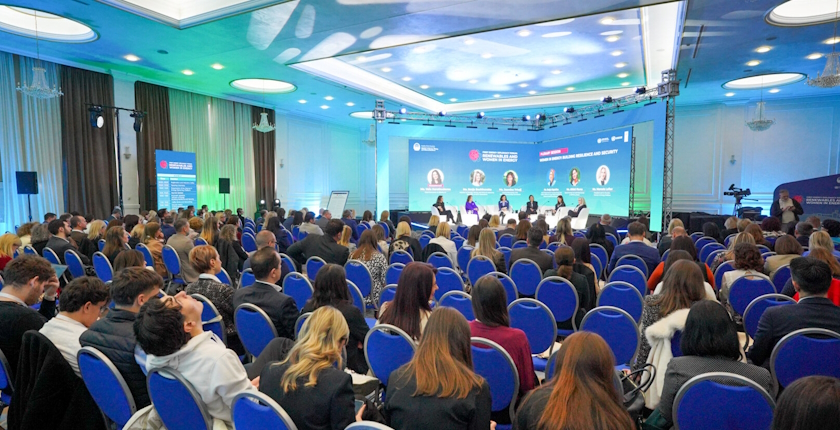
Skopje hosted the first Energy Diplomacy Forum today, under the slogan Renewable Energy and Women in Energy.
More than 200 participants and over 15 speakers from government institutions, international organizations and the business community discussed energy security, supply diversification, regional connectivity and sustainable energy transition.
Energy is one of the key strategic issues, directly related to national security, economic competitiveness and geopolitical stability, said Minister of Energy, Mining and Mineral Resources Sanja Božinovska, who opened the event.
She pointed out that, amid the Ukraine war and crises in the Middle East, diplomacy is one of the most important instruments of energy policy. It builds trust, opens supply routes, connects markets and facilitates the establishment of long-term partnerships, the minister said.
The Ministry of Energy, Mining and Mineral Resources hosted the forum in North Macedonia’s capital city, in partnership with the United Nations Office in North Macedonia, UN Development Programme (UNDP) and UN Economic Commission for Europe (UNECE).
Can’t afford to delay regional cooperation
European energy security isn’t confined to the borders of the EU, Božinovska pointed out. It also depends on how resilient, connected and stable the Western Balkans are, she underscored.
“That is why regional cooperation is a shared necessity and something we cannot afford to delay. Part of this commitment includes our partnerships with the United States of America, Croatia, and other European partners. We will not measure the success of diplomacy by the number of signed documents, but by the projects we materialize, investments we enable and the security of supply that citizens will feel. From Skopje today, we are sending a message of diplomacy that connects, partnerships that endure and of a shared responsibility toward the future. Energy diplomacy allows us to turn our interests into shared goals, and our goals into concrete results,” Božinovska stated.
Božinovska: We are sending a message of diplomacy that connects, partnerships that endure and of a shared responsibility toward the future
Referring to infrastructure priorities, Božinovska pointed to the construction of the first gas interconnector with Greece and the planned connection with Serbia.
North Macedonia’s strategic position enables it to be an important link in the region, according to the minister. Developing networks and improving connections between markets contributes to the energy security of the region and Europe, Božinovska added.
Network of women in energy diplomacy being established
The forum was also dedicated to women’s leadership and their contribution to shaping the energy future.
“Women need to set priorities, lead negotiations, build partnerships and take responsibility for results. We’re not just talking about representation. We’re talking about influence,” Božinovska said.
Foundations are being laid for a network of women in energy diplomacy, a platform for collaboration, mentoring and professional development, the minister stressed.
“When more women participate in decision making, institutions are strengthened with additional knowledge and competencies, and decisions are made with greater experience and diverse perspectives. Our duty is also to pave the way for the next generation of female engineers, experts, and leaders,” Božinovska told the audience.
The UNDP’s Resident Representative Armen Grigoryan said the energy transition must be inclusive and ensure the active participation of women in shaping the energy future.
“The energy transition is not only a question of technology and investment, but also of who participates in shaping our future. The green transition must also ensure women’s access to clean energy and their active participation in policymaking and decision-making. Through concrete initiatives and partnerships, UNDP is working to strengthen the role of women in the energy sector and create opportunities for their leadership,” Grigoryan asserted.
North Macedonia is different than two years ago
Božinovska highlighted the need to simultaneously invest in renewable energy sources and the electricity grid. Increasing the production of electricity from solar and wind requires developing and modernizing the networks to secure reliable supply to consumers, she said.
The Energy Diplomacy Forum addressed green financing opportunities for households and small companies to introduce renewables and strengthen energy efficiency.
“Our country is different today than it was two years ago. Today, we know where we are going, what we want to achieve, and what kind of energy future we want to leave behind. We are turning this commitment into concrete projects, new investments, and strategic partnerships. With every new capacity and every new interconnection, we are reducing our dependence and moving closer to our goal – energy independence,” Božinovska stated.