

As the next step in the energy transition, Montenegro’s state-owned power company Elektroprivreda Crne Gore is developing a virtual power plant. It aims to use it for more efficient integration of renewable energy sources while providing flexibility to the electricity system.
EPCG Technical Director Ljubiša Đurković stressed that the key question at the moment is how to store energy produced from renewable sources and how to integrate it efficiently into the distribution and transmission grids.
“One of the trends that is becoming increasingly popular in the European Union is the development of virtual power plants,” he said at the EPCG NET conference.
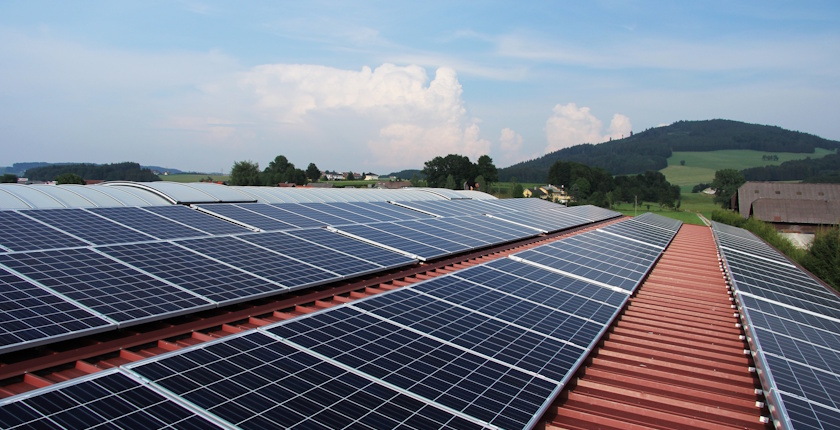
Montenegro has more than 10,000 prosumers
A virtual power plant does not generate energy in a single location but instead aggregates and manages solar power plants, battery energy storage systems (BESS), electric vehicle chargers, flexible consumption, and other distributed energy resources.
Đurković noted that EPCG began developing the prosumer concept back in November 2022 through the Solari 3000+, Solari 500+, and Solari 5000+ projects.
Thanks to these programs, Montenegro today has more than 10,000 prosumers, with a total installed capacity of around 100 MW and 135 GWh of electricity generation annually.
Kasalica: EPCG sees challenges as an opportunity for new flexibility resources
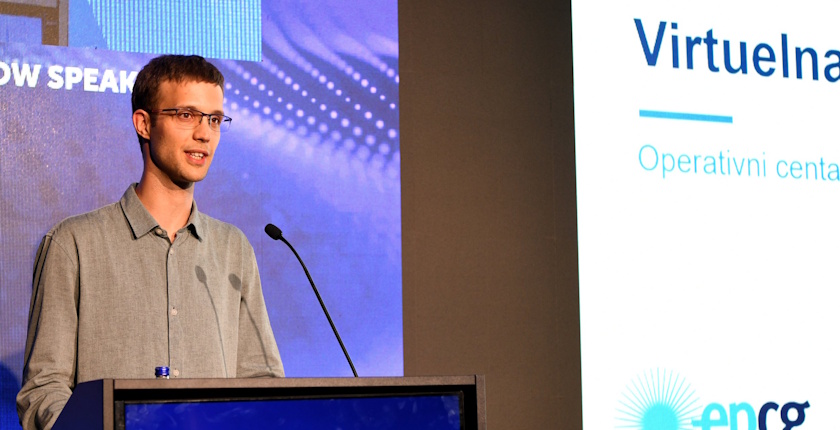
Vuk Kasalica, an engineer at the EPCG renewables sector, presented the concept of a flexibility management platform. The goal is to shift from actual electricity generation to the management of flexible energy sources, he added.
Kasalica noted that distribution substations and substation areas are no longer just places of electricity consumption, but are becoming active hubs for prosumers, batteries, and e-chargers.
This creates new challenges for the distribution grid, such as backfeeding into medium voltage, voltage issues, and additional loads due to the growth of e-mobility, he explained.
EPCG will use the DERMS system
“We don’t see these challenges as an obstacle, but as an opportunity to create new flexibility resources and new value for the electricity system,” Kasalica asserted.
The physical layer of the future platform will consist of prosumers, batteries, e-chargers, and other dispatchable consumers, with stable communication and constant grid monitoring as crucial factors for their efficient connection.
Kasalica explained that the application layer is designed as a system comprising multiple interconnected subsystems, including DERMS (Distributed Energy Resources Management System), which manages grid constraints and system security, and a virtual power plant, which serves as an aggregator of all resources within a specific substation area.
The project has five phases
The project’s development roadmap envisages five phases. The first phase involves a pilot implementation of batteries and e-chargers to verify their contribution to the network’s operation in real-time conditions.
The second phase involves the optimization and advanced management of resources through system interconnection, the establishment of management rules, and a shift from managing individual devices to managing the local network.
The fourth phase involves the establishment of a virtual power plant
The third phase envisages the expansion of the project to a larger number of substations and the standardization of equipment, communications, and management methods. The fourth involves the establishment of a virtual power plant (VPP) by integrating batteries, prosumers, e-chargers, and other resources into a central platform.
The fifth phase involves market integration and the monetization of flexibility through peak shaving, balancing, ancillary services, and the development of new business models in line with regulations, according to EPCG.
“Prosumers, batteries, and electric vehicle chargers already have value, but their full system value is achieved when they are connected, measured, and managed in a coordinated manner,” Kasalica pointed out.