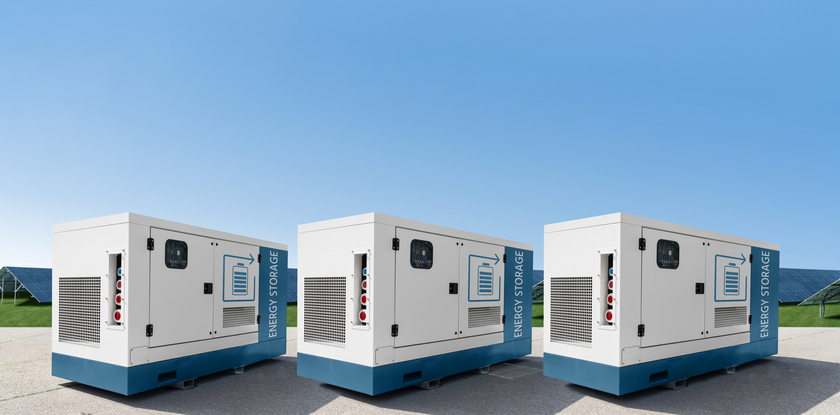




Grid operators in Germany received requests for the connection of large battery energy storage systems with an operational power totaling 400 GW and capacity of 661 GWh overall. It is 174 times greater than the current capability of all the batteries in the country, and 206 times more than their capacity, respectively.
The Federal Network Agency, the national regulatory authority also known as Bundesnetzagentur or BNetzA, has for the first time published data on the applications for battery storage projects.
Germany has increased its total BESS capacity by 50% last year. The vast majority of the capacity is in households. In July, the category accounted for 11.5 GW out of 14.5 GW in overall operational power, the data showed.
Now BNetzA announced that in 2024, a total of 9,710 connection requests for BESS on the medium and higher voltage levels were submitted to the grid operators. They don’t include home storage systems.
Currently, 921 large-scale batteries are in operation in Germany
The applications have a combined planned operational power of approximately 400 GW and a storage capacity of around 661 GWh, according to the agency’s data.
Currently, 921 large-scale batteries are in operation. They have approximately 2.3 GW altogether and a storage capacity of about 3.2 GWh.
In 2024, grid operators issued approximately 3,800 connection commitments for applications submitted in 2024 and previous years, BNetzA underlined.
Germany is a hotspot for BESS optimization and offtake
The 3,800 applications are for a combined operational power of about 25 GW and a storage capacity of about 46 GWh, data showed.
The agency recalled that the connection commitments are an obligation only for the grid operator. It means not all applications have to be implemented, BNetzA pointed out.
Germany’s solar power plants have a total capacity of 112 GW.
The BESS dealmaking landscape in Europe has evolved dramatically over the past four to five years, according to Pexapark’s analysis. Germany and Netherlands have emerged as hotspots for optimization and offtake, after Great Britain’s convincing lead for several years.
In the first five months of 2025 alone, 11 BESS deals were announced in Germany, totaling 540 MWh.