


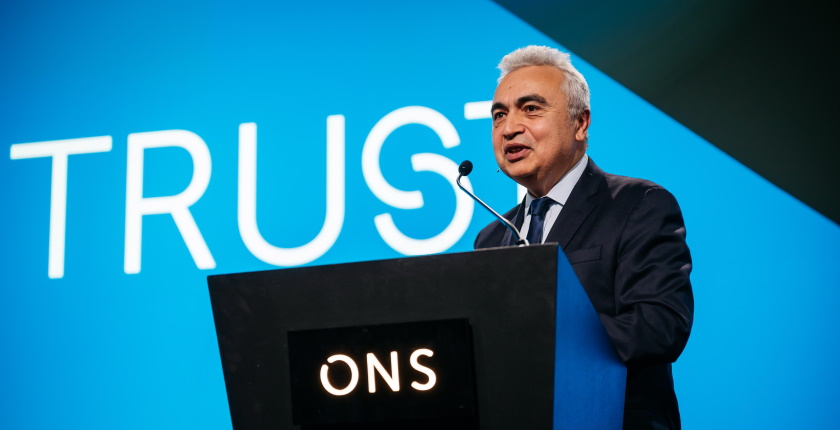
“As the global energy crisis continues to hurt households, businesses and entire economies worldwide, it’s important to separate fact from fiction. There are three narratives in particular that I hear about the current situation that I think are wrong – in some cases dangerously so,” Executive Director of the International Energy Agency (IEA) Fatih Birol wrote in an op-ed for the Financial Times.
- Myth 1: Russia is winning the energy battle
A short-term jump in energy export earnings can’t offset a permanent loss of trust and markets, Birol said and added the Kremlin is doing itself long-term harm by alienating the EU, its biggest customer. Its oil and gas sector will also struggle under sanctions, he asserted.
According to Birol, the absence of western companies, technologies and service providers as a result of sanctions is a major risk for the country’s capacity to exploit oil and gas, and especially for its LNG projects.
- Myth 2: Today’s crisis is a clean energy crisis
The head of IEA said energy policy makers told him they have regretted not moving faster to build solar and wind plants, to improve energy efficiency.
In fact, more low-carbon energy would have helped ease the crisis, and a faster transition is the best way out of it, Birol said.
In his view, when people blame clean energy for the crisis, they are moving the spotlight away from the real culprits: the gas crunch and Russia.
- Myth 3: Today’s crisis will stop us from tackling climate change
The crisis can actually be a historic turning point towards a cleaner and more affordable and secure energy system, Birol wrote and added the crisis is a stark reminder of the unsustainability of the current energy system, which is dominated by fossil fuels.
According to Birol, the transition to a more affordable and more secure energy system is already happening. The proofs are REPowerEU, the United States Inflation Reduction Act, Japan’s GX (Green Transformation), and clean energy plans in China and India.