






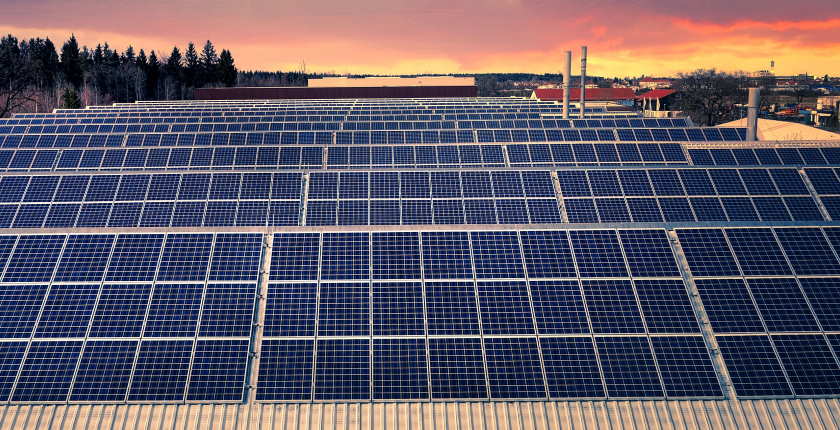
Photo: Albrecht Fietz from Pixabay


Just one year after launching an initiative to replace lignite-fueled thermal power plants with green energy capacity, Greece managed to complete the paperwork for most of the planned solar parks. The national regulatory body issued producer certificates for photovoltaic units of an overall 1.9 GW.
PPC Renewables just made a breakthrough in its plan to install huge solar parks in the lignite complex in the province of Western Macedonia, Energypress reported. The Regulatory Authority for Energy (RAE) issued producer certificates for units with a total capacity of 1.9 GW in areas included in the master plan for the national energy transition.
The company applied for the first batch of permits one year ago. In the meantime, the regulations were simplified by merging several stages of the application procedure.
Greece strengthens position amid talks with RWE
Some of the producer certificates could be used within the upcoming partnership with RWE. Minister of Environment and Energy Kostis Hatzidakis said the talks entered the final stage, as planned. State-owned PPC Renewables signed a memorandum of understanding with the German company in March.
PPC Renewables is looking to establish parnerships with several domestic and international companies
PPC Renewables is controlled by Public Power Corp. or PPC. Several memorandums were signed with other domestic and international partners as well.
The Greek firm is already building two photovoltaic facilities of 15 MW each in Ptolemaida. It plans to start works on a 200 MW solar power plant there by mid-year. Another megaproject is in the pipeline for the mining and thermal power plant complex in Megalopolis in the Peloponnese, where the first solar unit will have 50 MW.
EU may boost regional aid funds
As Greece is shutting down lignite exploitation and its use for the production of electricity, it intends to replace the capacity with solar parks with a total capacity of up to 3.5 GW and add other green energy systems.
Hatzidakis said the production of electricity from coal was cut by two thirds to 10 TWh between 2010 and 2019 as emission costs have increased. Operating power plants that use the fossil fuel is now more expensive than other sources, just like in all other European countries, he told Greece’s parliament.
The minister revealed the European Union signaled it would approve more funds than originally planned for regional aid.

Be the first one to comment on this article.