


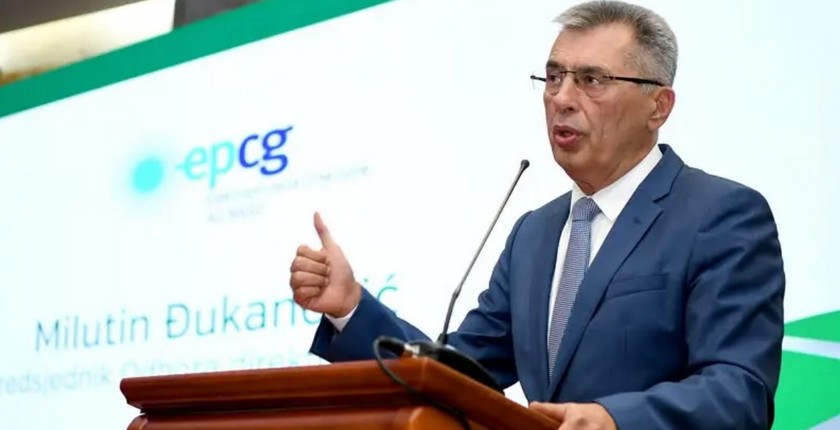
Montenegro’s state power utility Elektroprivreda Crne Gore (EPCG) is developing solar, wind, battery storage, and hydropower projects with a total capacity of 639 MW and an expected annual output of over 1 TWh, Milutin Đukanović, President of EPCG’s Board of Directors, wrote in an opinion piece. A portion of a significant investment cycle has already been completed, including rooftop solar projects, the Gvozd 1 wind farm, the ecological overhaul of the Pljevlja thermal power plant, and part of the modernization works at the Piva and Perućica hydropower plants, Đukanović noted, adding that new capacities, battery systems, hydropower plant upgrades, rooftop solar, wind energy, and strategic partnerships are EPCG’s response to the challenges it faced in 2025.
EPCG’s direct project portfolio includes around 639 MW/MWp, with estimated investments totaling around EUR 646.5 million and an expected annual output of about 1,024 GWh. The investment framework also includes reconstruction and upgrade projects that cannot always be expressed in megawatts, wrote Đukanović, who will be among the speakers at Belgrade Energy Forum 2026, on May 11 and 12.
When strategic and potential private partners are included, the total portfolio exceeds 4,636 MW/MWp, with a potential annual electricity generation of more than 8,176 GWh, wrote the top man of the Montenegrin state power utility, which is a Bronze sponsor of this year’s BEF.
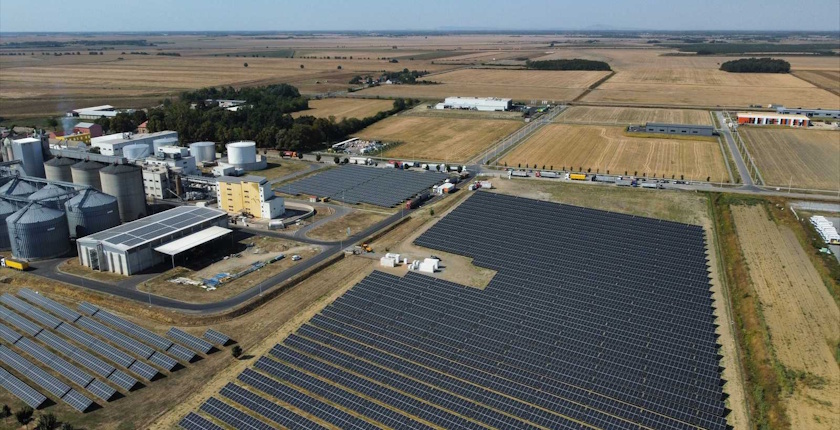
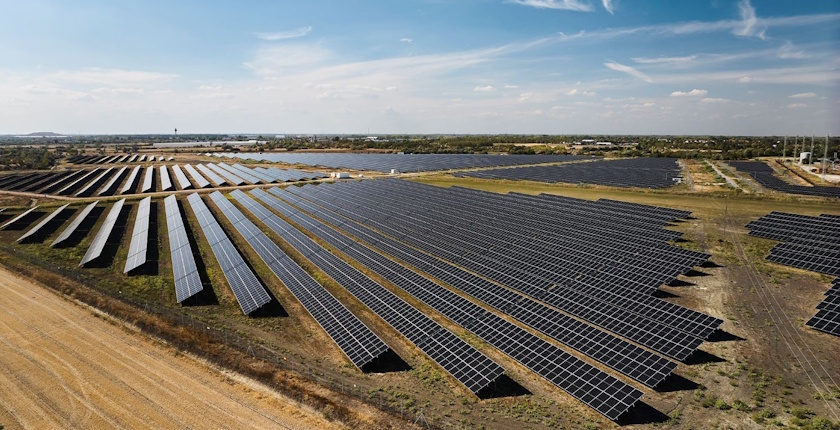
The projects include EPCG’s own solar power plants with a capacity of 221.1 MW and a projected annual output of 299 GWh, rooftop solar systems (prosumers) with a total capacity of 209.1 MW and an annual production of 245 GWh, the Gvozd 1 and 2 wind farms with a total capacity of 75.6 MW and 227 GWh in expected annual power generation, hydropower projects with a capacity of 71.7 MW and an annual output of 135 GWh, as well as battery energy storage facilities with an operating power of 60 MW.
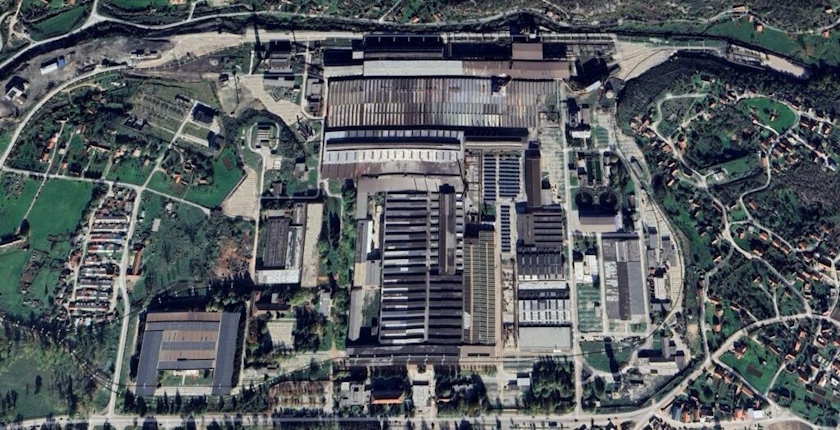
A BESS of 60 MW / 240 GWh is planned at EPCG’s steel mill Željezara Nikšić
A battery energy storage system (BESS) is planned at EPCG’s steel mill Željezara Nikšić, in an investment estimated at around EUR 48 million. BESS Željezara is designed as a system with an operating power of 60 MW and a capacity of 240 MWh, which would ensure around 118,3 GWh of electricity, Đukanović wrote.

When it comes to completed projects, they have added 143.66 MW of new generation capacity, translating to around 268 GWh of annual electricity production. The total cost of the completed investments is about EUR 258.87 million, according to him.
EPCG has already delivered 143.66 MW of new capacity
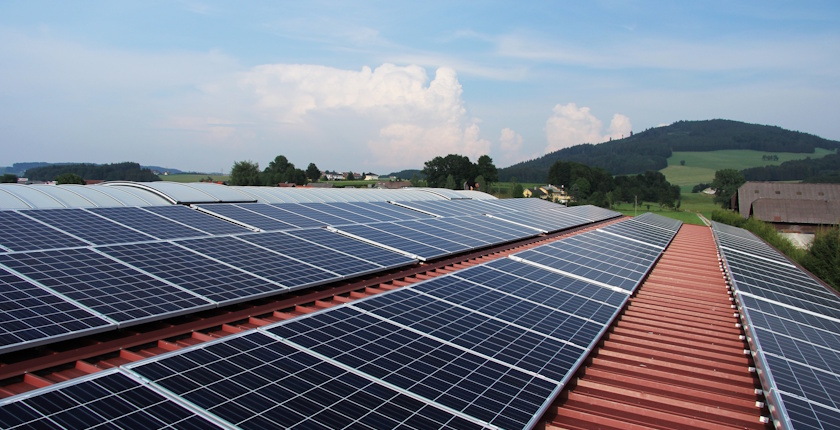
These include rooftop solar installed under the Solari 3000+ and Solari 500+ projects, with a total peak capacity of 34.34 MW and an expected annual electricity generation of 40.18 GWh, as well as the completed portion of the Solari 5000+ project, with a total peak capacity of 54.72 MW and expected annual output of 64.02 GWh. An additional 20 MW of rooftop systems is yet to be installed under the Solari 5000+ project, Đukanović noted.
The 54.6 MW Gvozd 1 wind farm has also been built, in an investment of EUR 82 million. Its projected annual output is 163.8 GWh. Together with the second phase, Gvozd 2, the project will add around 75.6 MW of new wind power capacity.
Another portion of the completed set of projects includes the ecological reconstruction of the Pljevlja thermal power plant, worth EUR 75 million, along with the second phase of the reconstruction and modernization of the Piva hydropower plant (EUR 10.83 million) and the second phase of the reconstruction and modernization of the Perućica hydropower plant (EUR 33 million), according to him.
Đukanović also noted that during the reconstruction of the power plant, the Pljevlja coal mine carried out the diversion of the Ćehotina river, in a EUR 20 million investment, creating the conditions to continue coal mining. The project was necessary as the available reserves were almost exhausted.
Đukanović: The Pljevlja power plant reconstruction and poor hydrological conditions are the main reasons for the loss EPCG posted in 2025
He also stated that the main reasons for EPCG’s EUR 92.1 million loss in 2025 were the eight-month outage at the Pljevlja thermal power plant, due to its ecological reconstruction, and unfavorable hydrological conditions.
As soon as production at Pljevlja was resumed, EPCG’s energy balance returned to positive territory, and the company recorded a profit of EUR 36.47 million in the first quarter of this year, according to Đukanović.