




Tilos in Aegean Sea is world’s first zero waste island
Tilos in Greece has become the world’s first island with a zero waste certificate. As part of the Just Go Zero Tilos project, the island has successfully eliminated landfilling, residents participate in a door-to-door collection system, and a state-of-the-art recycling center was opened. All households and businesses on Tilos participate in waste sorting and source […]
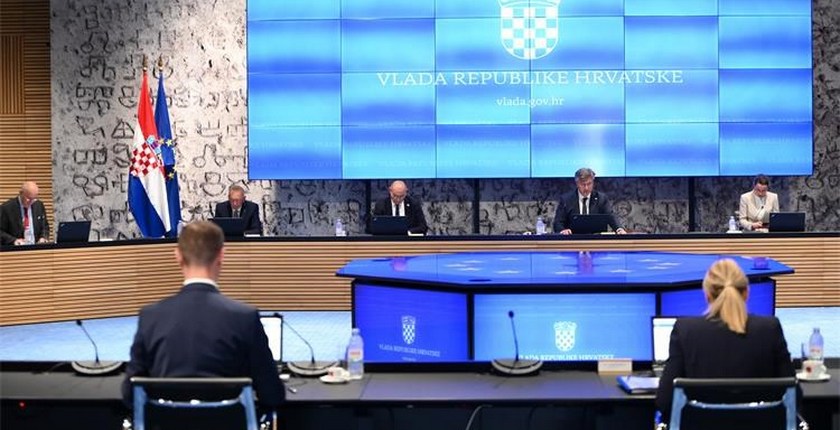
Croatia adopts regulations to facilitate renewables growth
The Government of Croatia has adopted the long-awaited decree on incentives for electricity generation from renewable sources
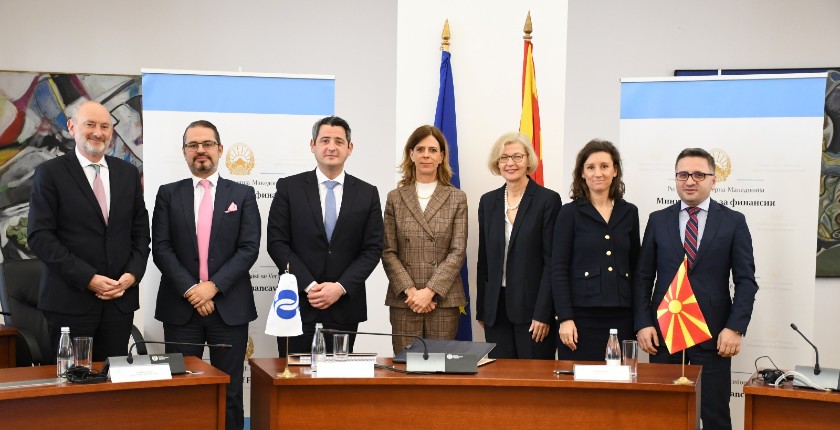
North Macedonia secures funding for first major investment in waste management
The project will cover more than one million inhabitants in five regions: South-East, South-West, Pelagonia, Polog, and Vardar
Serbia adopts circular economy program as Montenegro unveils draft strategy
Serbia adopts a circular economy development program until 2024, and Montenegro unveils its national strategy until 2030
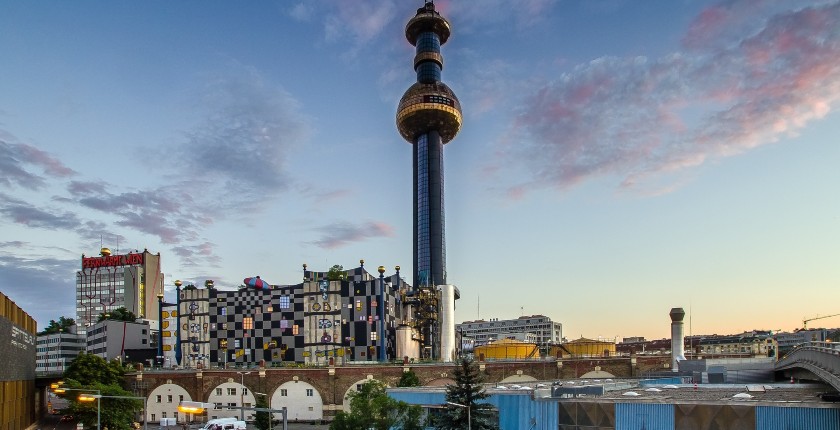
Waste-to-energy in Serbia – a cause for concern or an opportunity to reap environmental-climate-energy benefits
In this latest article in the series "Serbia, from garbage dumps to circular economy", we discuss the waste-to-energy concept with Professor Vladimir Pavićević, Igor Jezdimirović, and Helga Stoiber

EU wastes more food than it imports
At a time when 33 million citizens of the European Union cannot afford enough meals, each year, as many as 153.5 million tons of food are dumped. The new report on food waste reveals that more food is thrown away than is imported, causing at least 6% of greenhouse gas emissions, The EU wastes more […]

Croatia’s example of good practice in biowaste management: creating value, protecting the environment
Suppose Croatia were to utilize its biowaste potential, of 400,000 tons entirely. In that case, it could produce 7.3% of the country’s total 2021 power output from renewables
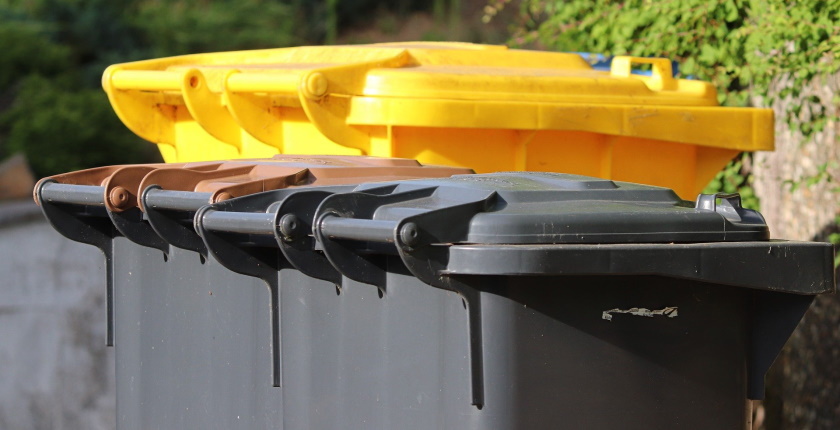
2021 municipal waste report: Croatia continues progress but targets still unreachable
The country continued to make progress in almost all important sectors of waste management, but it was not enough to achieve the set goals