


Slovenia’s electricity transmission system operator, ELES, and gas transmission network operator, Plinovodi, have signed a memorandum of understanding with Japanese electrical engineering and software company Yokogawa Electric Corporation to establish a strategic partnership for hydrogen projects in Slovenia.
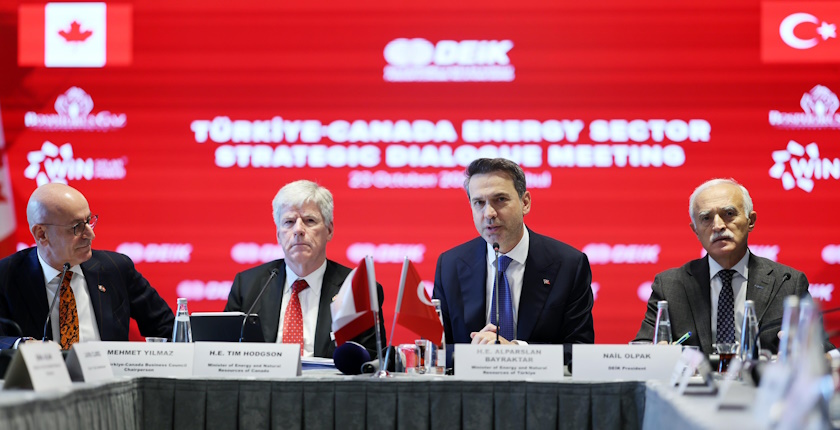
The memorandum of understanding was signed at the Hydrogen Energy Ministerial Meeting 2026 in Chiba, Japan, which brought together representatives of relevant organizations and countries, including Montenegro.
With the signing of the memorandum, ELES, Plinovodi, and Yokogawa are establishing a strategic partnership that could gradually pave the way for a carbon-neutral hydrogen ecosystem in Slovenia, according to a joint press release from the three companies.
The partnership is also the first step toward closer cross-sectoral integration of Slovenia’s electricity and gas transmission systems through dedicated hydrogen infrastructure, it added.
The first project would produce and store hydrogen to support the gas and electricity networks
The first joint project envisages a facility that would produce hydrogen by balancing electricity generation and consumption in the power grid. The hydrogen will be stored and used for the needs of the gas and electricity networks, including in potential crises.
The project also envisages mobile backup units intended to supply the grid in emergencies and help address bottlenecks related to fast charging of electric vehicles. It also involves implementing digital solutions to coordinate the operation of the electricity and gas systems.
Integrating hydrogen into energy infrastructure would enable Slovenia to leverage its strategic position within European energy corridors amid growing interest in renewable and carbon-neutral energy solutions, according to the press release.
Bitenc: Hydrogen could become a link between electricity and gas infrastructure
ELES CEO Aleksander Mervar said that the memorandum lays the foundation for broader use of hydrogen technologies in industry and transportation and that it could help develop more resilient, flexible, and sustainable energy systems across Europe.
Matija Bitenc, managing director of Plinovodi, said that Plinovodi, ELES, and Yokogawa are paving the way for hydrogen to become a key link between electricity and gas infrastructure.
Šahmanović: Montenegro seeks concrete partnerships for green hydrogen
Montenegrin Minister of Energy and Mining Admir Šahmanović, who attended the ministerial meeting at the invitation of Japan’s Ministry of Economy, Trade and Industry (METI), said that Montenegro wants to connect with international partners and identify concrete opportunities for cooperation across the hydrogen value chain.
He highlighted the country’s significant renewable energy potential, particularly in hydropower, solar and wind energy, as a basis for the long-term development of green hydrogen.
Šahmanović also noted that Montenegro has adopted a program for the development of green hydrogen with an action plan for the period 2026-2028, establishing the first strategic framework for the development of this field.
Hydrogen Council: The world has committed USD 130 billion for clean hydrogen projects
The ministerial meeting in Japan brought together representatives from countries in Europe and around the world, as well as international organizations and institutions such as the International Energy Agency (IEA), the Hydrogen Council, and the International Partnership for Hydrogen and Fuel Cells in the Economy (IPHE).
According to the Hydrogen Council’s Global Hydrogen Compass 2026, released alongside the Hydrogen Energy Ministerial Meeting, committed global investment in clean hydrogen has surpassed USD 130 billion.
This translates to 6.9 million metric tons per year of committed capacity across more than 570 projects worldwide, 90% of which are under construction or already operational, the council said.
China accounts for more than half of global committed renewable hydrogen capacity, with Europe ranking second in investment, and the US leading in low-carbon hydrogen deployment, according to the report.