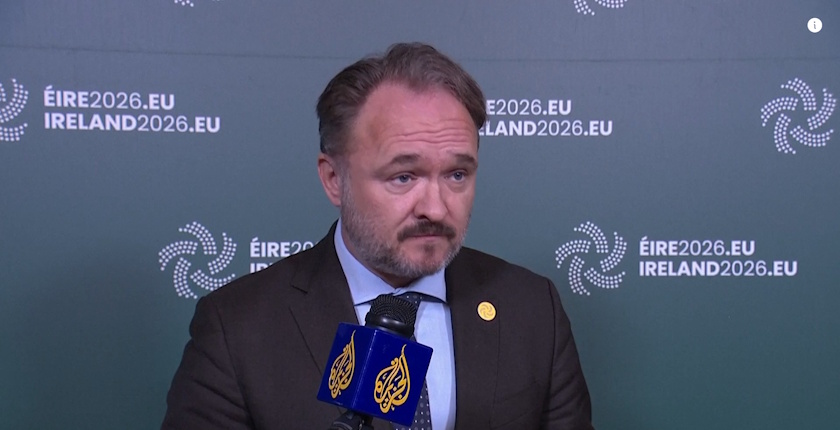



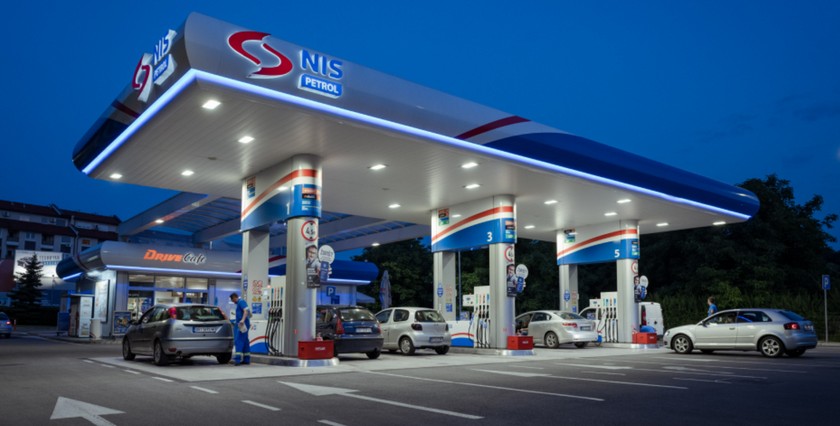
Serbian Minister of Mining and Energy Dubravka Đedović Handanović has confirmed that Russian shareholders are negotiating the sale of their stake in Serbia-based oil company NIS to Hungarian oil and gas company MOL, and that the Government of Serbia supports the talks. NIS is majority-owned by Russian energy giant Gazprom, whose exit from the ownership structure is a requirement for lifting US sanctions against the oil company.
Đedović Handanović added that both NIS and MOL have approached the US Office of Foreign Assets Control (OFAC). According to her, the negotiations on the exit of Russian capital from NIS’s ownership structure are supported by the Russian, Hungarian and Serbian governments.
“The Government of Hungary has supported those talks, and we, as the Government of Serbia, will also provide support, with the aim of finding a solution to lift the sanctions and to create the conditions for granting an operating license to NIS,” she stated.
NIS has applied for an OFAC license to continue operating, but has not yet received approval.
Serbia supports the sale of the Russian stake in NIS to enable the lifting of US sanctions
Recently, Serbian President Aleksandar Vučić also confirmed that information had emerged about negotiations between Gazprom and MOL, adding that Serbia had no objections to the sale of NIS to the Hungarian company.
Serbian officials previously said that the Russian side had agreed to sell the company and that negotiations were underway with several firms. According to unofficial information at the time, one of the suitors was Abu Dhabi National Oil Co. (ADNOC) from the United Arab Emirates.
The US sanctions against NIS, which supplies 70–80% of petroleum products to the Serbian market, came into effect on October 9. The sanctions have blocked NIS from importing crude oil, forcing its Pančevo refinery to halt production.
Đedović Handanović: Serbia still has enough fuel, but reserves are depleting
Đedović Handanović said that citizens have not felt the impact of the sanctions and that Serbia still has sufficient fuel, from diesel and gasoline to fuel oil and kerosene, to get through the crisis. However, she noted that these reserves are depleting and that people need to understand that Serbia lacks the logistical capacity to import the volumes of petroleum products it requires.
She stressed that Serbia will continue the dialogue to ensure that NIS can continue operating, regardless of the time required to complete the transaction between MOL and the Russian shareholders.