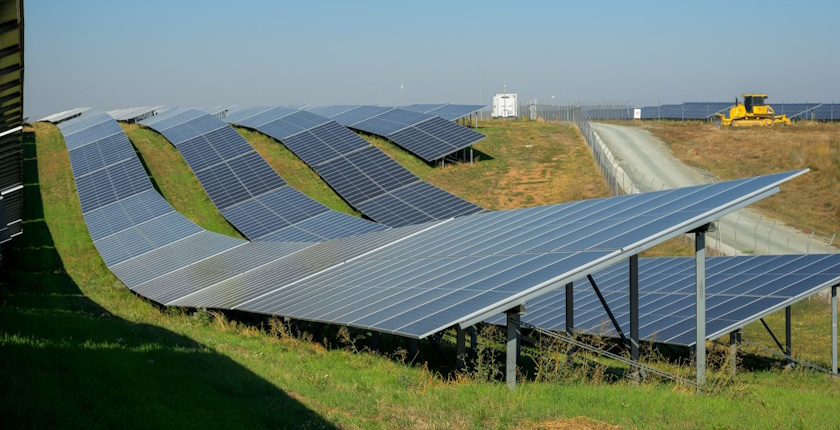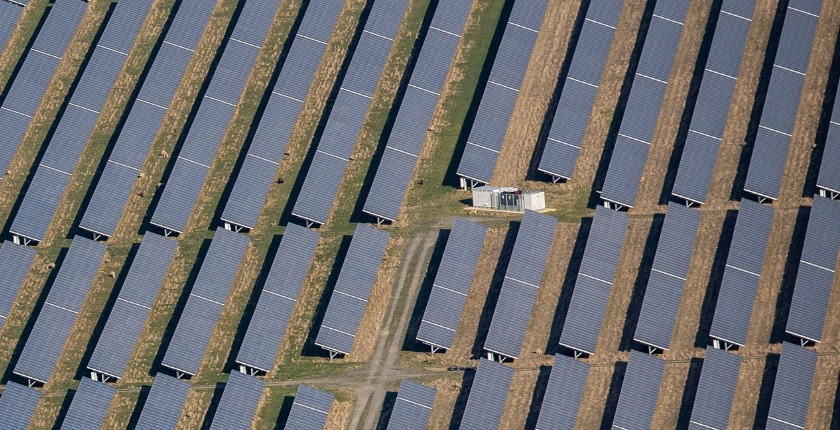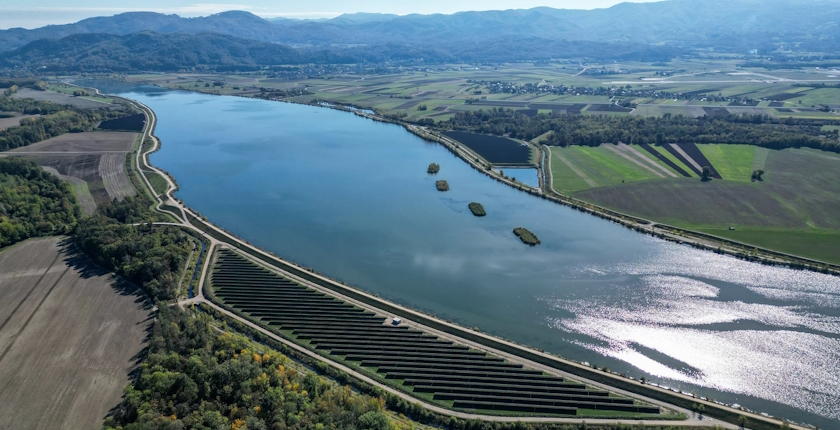


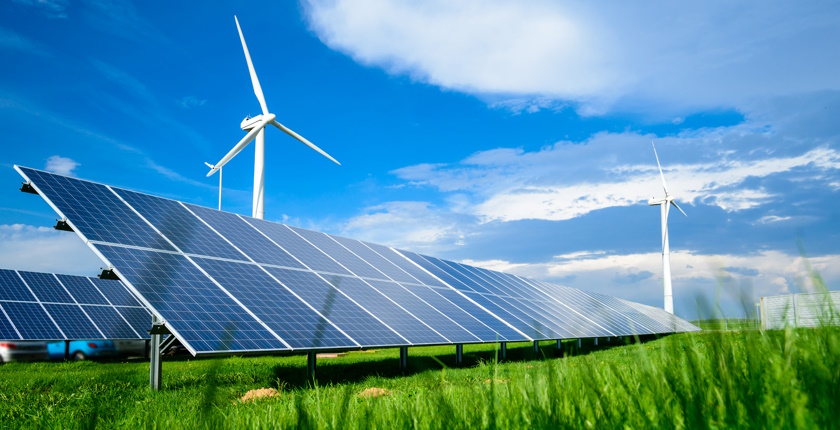
Romania plans to install 10 GW of solar and wind capacity by 2030, but will also focus on energy storage, mainly batteries, in the coming period, according to State Secretary in the Ministry of Energy Cristian Buşoi.
In terms of integrating renewable energy sources, Romania has an ambitious target by the end of the decade – to install 10 GW of solar and wind energy, Buşoi said at a press conference, Romanian media reported.
To support electricity production from renewable sources, the Ministry of Energy co-financed initial investments through the National Recovery and Resilience Plan (PNRR) and the European Union’s Modernisation Fund. “We had a project in the PNRR of over EUR 200 million, with 30 co-financed projects,” he said.
However, under new legislation, Romania will no longer finance part of the initial investments in renewable energy projects, according to Buşoi. The market is now mature, and electricity generation from renewable sources has become “more or less a business case,” he explained.
The state will no longer co-finance initial investment in renewable energy projects
Future support will be provided through state-aid schemes, he said, adding that the country has a successful contracts-for-difference (CfD) scheme, worth more than EUR 3 billion over the next 15 years.
Buşoi also said the next stage will be to develop energy storage capacities, primarily battery energy storage systems (BESS), but also hydro storage projects. The Ministry of Energy will focus on storage in the coming weeks and months, he said, adding that these investments will be supported through the Modernisation Fund.
Romania will continue to develop hydropower projects and geothermal energy for district heating
In parallel with installing new solar and wind capacities for electricity generation, Romania will continue to develop hydropower, while geothermal energy will be used mainly for district heating and, to a lesser extent, for electricity production, according to Buşoi.
He also noted that some hydropower projects challenged by non-governmental organizations have now been unblocked thanks to new legislation.