


Within the efforts to decarbonize the economy and reach global carbon neutrality, industrial production is the most difficult segment, Lux Research said in a report. It estimated that electricity would become the sector’s primary energy carrier with the energy transition, strengthening the case for on-site power generation.
Alternative fuels like hydrogen will reshape the industry sector in the long term, but on-site power generation will play a more immediate role by kickstarting the decarbonization journey in industries such as mining and food production – and the same goes for facilities that need increasing levels of energy security, analysts from Lux Research wrote in a report called ‘Decarbonization of Industry: The Future Role of On-site Power Generation.’
They said the deployment of on-site power plants is yet to accelerate, due to rapid fall in costs for distributed generation and batteries, high-temperature thermal energy storage and virtual power plant systems, which aggregate local backup power to provide grid services.
It means businesses may want to look at options for securing their own power sources or those that would be nearby. Innovations in the sector are enabling electricity consumers to become autonomous at a local level. Decarbonization of industry is the most difficult segment in the push toward global carbon neutrality, Lux underscored.
Innovations in the sector are enabling electricity consumers to become autonomous at a local level
“The future role of local generation will be marked by the decarbonization of the industrial sector. As major industrial economies like Germany announce carbon neutrality targets, the electrification of this sector will be imminent – resulting in a sharp increase in power consumption and making electricity the primary energy carrier in industry,” analyst and lead author Jessica Hernandez said.
Diesel generators fading out
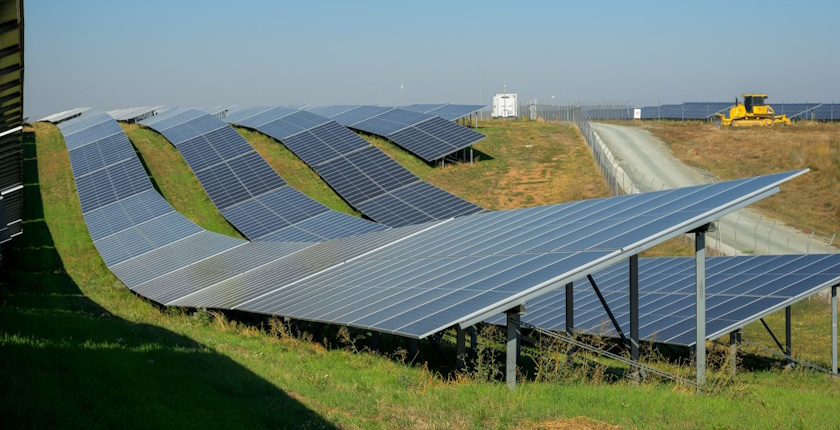
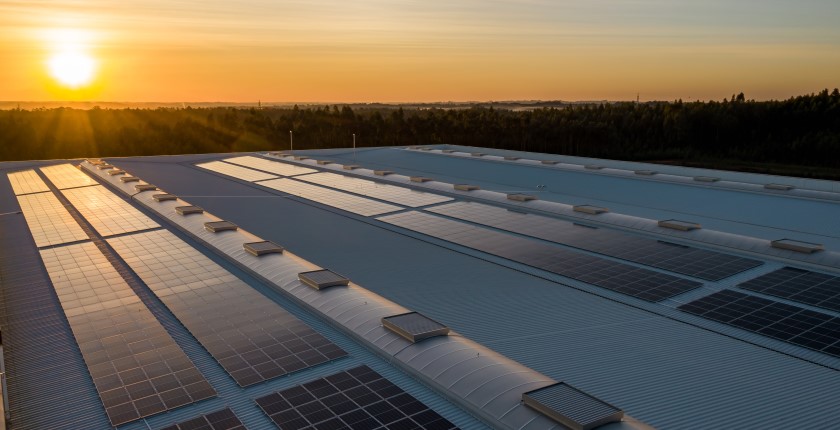
The research firm suggests the process is strengthening the case for on-site power generation, placing the focus on renewables. Rooftop solar is the logical choice for companies.
Costs are dropping for small power plants, batteries, thermal storage and virtual power plant systems
Decarbonization and decentralization of the energy system have spurred the expansion of rooftop solar systems and batteries in the residential sector. Commercial and industrial (C&I) facilities that face issues related to grid capacity, energy security, process integration, and production of nontradable byproducts are joining the trend, the analysts pointed out.
Producing power on-site is not new, as diesel generators have been widely used, but the concept is evolving and the combination of solar panels and batteries is emerging with the drop in costs, the report reads.
Decentralization is key for outage issues, process integration
Electrification will be particularly important in light industry segments, as electric boilers are suitable for heat streams below 500 degrees Celsius, Lux Research added. Examples are activities like farming and the production of food, tobacco and textile production. Also, waste heat can be used to generate power, boosting a factory’s energy efficiency.
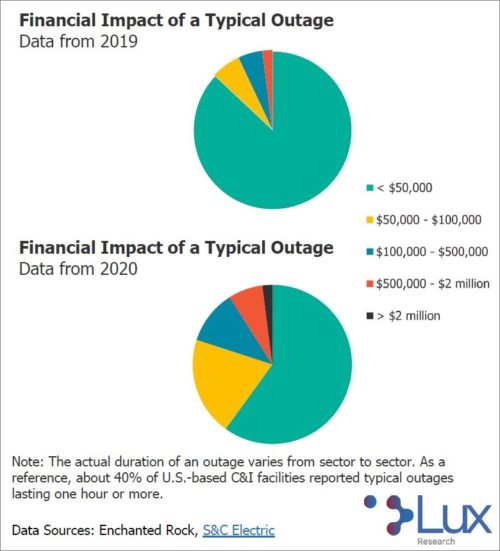
One of the most important factors is energy security, as a local source of power generation for companies prevents outages and the costs that they incur. On-site power plants are a favorable solution for facilities that can use their nontradable byproducts as fuel, for instance the sludge from water treatment plants.
The average share of the disposal of the material in their operating expenses is 25%, the report says.