


The European Commission will adopt a 200 GW target for energy storage technologies, according to the leaked Electrification Action Plan, due to be presented this week. Among the forthcoming measures is facilitating vehicle-to-grid solutions.
To meet the energy system’s flexibility needs, the European Union will require 200 GW of energy storage to be online in 2030, the European Commission wrote in its draft Electrification Action Plan, seen by major media outlets.
The level, covering all energy storage technologies, is from an analysis by the 27-member bloc’s Joint Research Centre (JRC). It refers to both short- and long-duration storage, but excludes small and behind-the-meter batteries.
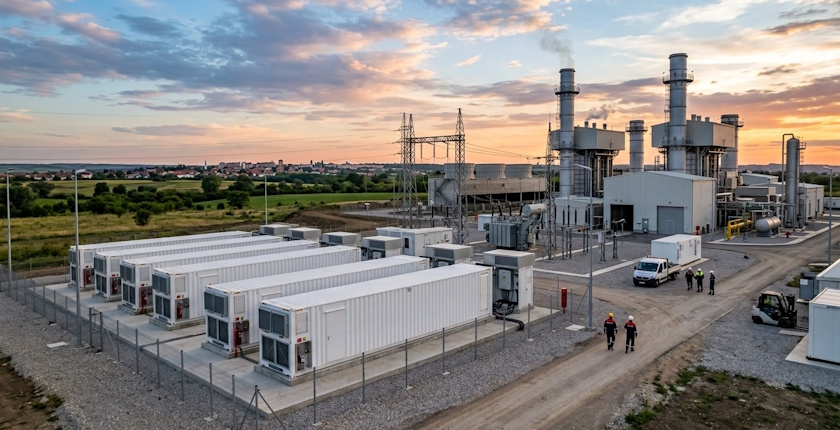
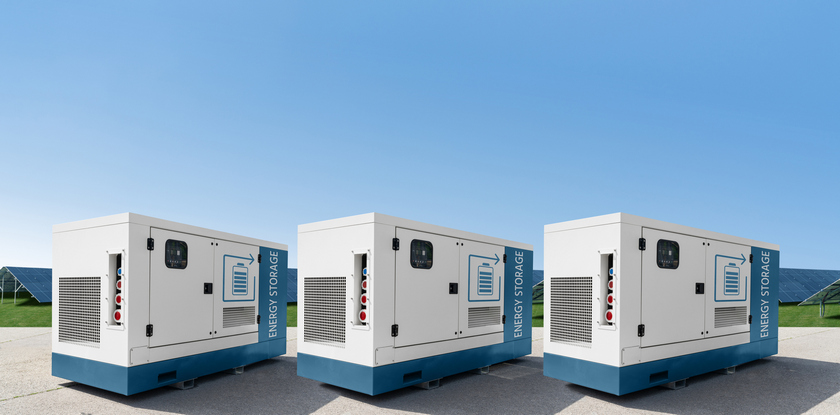
The fleet totaled 55 GW at the beginning of this year. Pumped storage hydropower, the traditional technology, accounted for more than four fifths. That said, the segment of utility-scale battery energy storage systems (BESS) is rapidly expanding.
EU member states, storage and renewables developers and manufacturers, industrial consumers, the European Commission and financial institutions agreed late last month to add 30 GW to 35 GW of stationary storage power from 2026 through 2028, the document reads.
Accelerating electrification is paramount for competitiveness
There isn’t any 2040 target for electrification (yet) in the plan, which the European Commission intends to use as basis for legislation.
The draft purportedly cites the latest energy crisis, pointing out that it was the second time in five years that the risks from EU’s dependence on fossil fuels became evident. The added cost amounted to EUR 50 billion.
Electrifying transportation, buildings and industrial production paves the way for replacing up to two thirds of demand for gas and half for oil by 2040, the commissioners claimed. It would translate to savings of EUR 200 billion.
Electrifying transportation, buildings and industrial production could reduce the EU’s fossil fuel import bill by EUR 200 billion by 2040
The EU is stumbling behind its main competitors in electrification.
“For ten years, the share of electricity in Europe’s final energy consumption has barely moved. It sits at 23%, roughly where it was 10 years ago. China, Korea and Japan are already past 30% and pulling away fast,” said Professor of Energy and Climate Policy at Oxford University Jan Rosenow.
The EU intends to roll out vehicle-to-grid (V2G) requirements for new electric vehicles by the end of 2027, including interoperability standards, he added in his newsletter.
There are also plans for including other kinds of smaller battery systems and other sources, such as manufacturing facilities, into flexibility schemes.
More incentives for EV industry
A reduction in value-added tax on electric vehicles is also supposed to be tabled, together with nonfiscal support, EV Infrastructure News reported.
The sector will undergo an assessment of the possibility of strengthening the targets for zero emissions vehicles in public procurement, the article adds.
VAT cuts would be considered for heat pumps and household battery systems, too. In addition, the EU wants to support innovation in areas such as small modular reactors (SMRs), hydrogen and carbon capture and storage (CCS or, when including utilization, CCUS.