

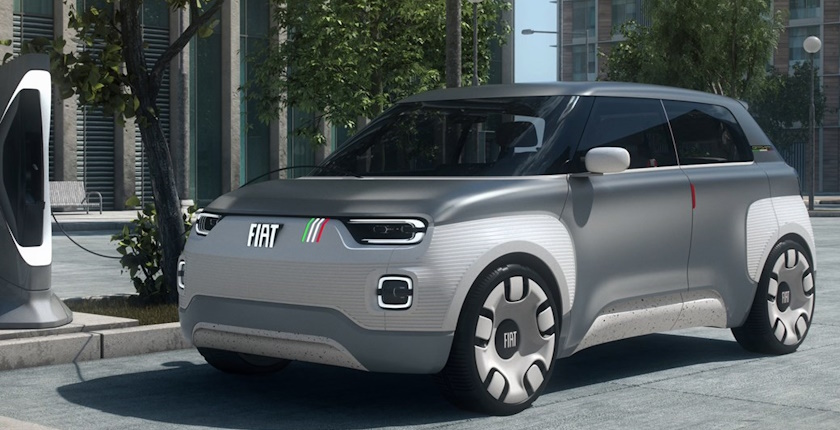
The Pandina is the new, electric version of the Fiat Panda car, set to be produced in Kragujevac from next year. It will be the first plant in the Balkans with serial production of electric vehicles. The new Panda hybrid is expected to cost around 15,000 euros, while the electric version will be around 20,000 euros.
In Kragujevac, a new generation of electric vehicles will be manufactured, as announced by the Stellantis group, a multinational company formed in 2021 through the merger of the Italian-American conglomerate Fiat Chrysler Automobiles (FCA) and the French PSA Group.
The name Pandina was chosen to distinguish it from the existing Panda, which will be produced in Turin, Italy, until 2026. If there are no new requirements regarding the Euro 7 engine standard, the end date may be extended until 2027. The model’s electric counterpart will be manufactured on three continents: in Kragujevac, Serbia, at the Betim factory in Brazil, and in Morocco, Serbian public broadcaster RTS reported.
Tavares: We want to provide everyone with an affordable and efficient electric vehicle
The new B-segment crossover will be four meters long and have a design similar to the Fiat Centoventi concept. The model plays a key role in the Turin-based manufacturer’s strategy to maintain its position in the global market for small city cars.
CEO of Stellantis Carlos Tavares, said the company aims to provide everyone with a small, affordable, and efficient electric vehicle. The Pandina will be sold on all continents with numerous personalization options for specific markets.
Until last year, the Stellantis factory in Kragujevac manufactured the Fiat 500L.
Workers from Kragujevac have already completed training, Tavares stressed and added that it would be the first plant with serial production of electric vehicles in the Balkans.
The hybrid version is expected to cost around EUR 15,000, and the electric one approximately EUR 20,000.
The new type of Panda is expected to become popular in the region primarily due to its favorable prices. The simplest hybrid version is expected to cost around EUR 15,000, while the electric one, with a range of 200 kilometers, will be priced at around EUR 20,000.
Last year, the Serbian Ministry of Economy and Fiat Chrysler Automobiles Serbia (FCA Serbia) signed a contract on incentives for the production of the electric car in Kragujevac. The deal envisioned an investment of EUR 190 million, of which Serbia would provide EUR 48 million.
Comments (1)
Srbija
BRAVOOO