







Photo: iStock


Oil and gas prices skyrocketed at the start of trading, over fears of a prolonged supply disruption from the attack by the United States and Israel on Iran. Panic is spreading due to the effective shutdown of the Hormuz strait, the passageway for up to a quarter of the world’s seaborne oil and a fifth or more of liquefied natural gas (LNG). The initial market spike subsided later in the session, as traders await a coordinated intervention from oil reserves of the Group of Seven.
Benchmark contracts for oil and European deliveries of gas surged by almost a third at the opening today, testing the highest levels since the European energy crisis in 2022. Buyers are scrambling to obtain sufficient quantities as the US and Israel intensified attacks on Iran, particularly on energy infrastructure facilities, and it is retaliating throughout the Persian Gulf region.
The Hormuz strait is effectively closed. It was the corridor for up to a quarter of the world’s seaborne oil and a fifth or more of LNG.
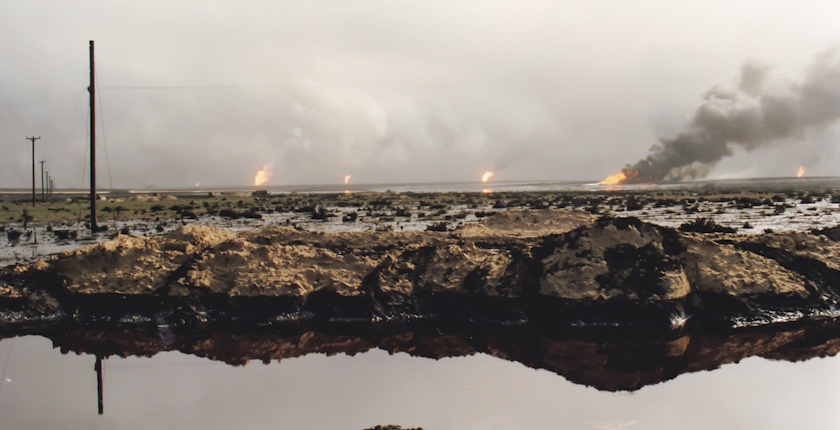
Oil storage and a refinery were struck in Tehran. It caused toxic rain – oil drops mixed with water vapor in the clouds, and oxides turned into sulfuric and nitric acid. The city of nine million inhabitants was already in the midst of a chronic water shortage. The bombing could exacerbate the situation and prompt a massive evacuation.
Among other targets, Iran attacked and damaged the oil refinery in Bahrain. It is also striking oil pipelines that could cover a small part of the capacity blocked in Hormuz.
Iraq, the United Arab Emirates and Kuwait have already sharply cut oil production as available storage capacity is dwindling. Qatar warned, after Iran bombed its LNG facilities, that it could take weeks or even months to resume regular production levels.
US President Donald Trump said “short-term oil prices” would “drop rapidly” upon the “destruction of the Iran nuclear threat.” In a post on his Truth Social social network, he claimed it “is a very small price to pay.”
Fears of global recession
The oil and gas rally is threatening to trigger runaway inflation and a global recession. Much more drastic scenarios aren’t neglectable either.
Russia would benefit from high energy prices, given that oil and gas are its main export goods and that they are constrained by Western sanctions. Moreover, the Trump administration is suspending some of the punitive measures to counter shortages. Importantly, the US wouldn’t immediately be affected by a global gas crisis, given its abundant domestic output.
The initial surge in oil and gas subsided later in the session. Notably, finance ministers from G7 are about to discuss the possibility of a release of reserve quantities of oil, coordinated by the International Energy Agency.
Oil briefly doubles in price versus end-2025
Brent oil for settlement in April was 12.5% higher at USD 105.03 per barrel, after hitting USD 119.5 per barrel for the first time since mid-2022. West Texas Intermediate or WTI changed hands 13.2% in the green at USD 102.82 per barrel. Earlier it surged to USD 119.48 per barell, also the highest point since the energy crisis.
Brent was at least USD 4 per barrel costlier than WTI this year until a few days ago. At their highs of the day, the two contracts were two times higher than at the end of 2025.
The European TTF benchmark contract for gas held 15.7% up from the closing level ahead of the weekend break, changing hands for EUR 61.75 per MWh. The intraday high was EUR 68.24 per MWh, unseen since early 2023.



Be the first one to comment on this article.