







Photo: iStock


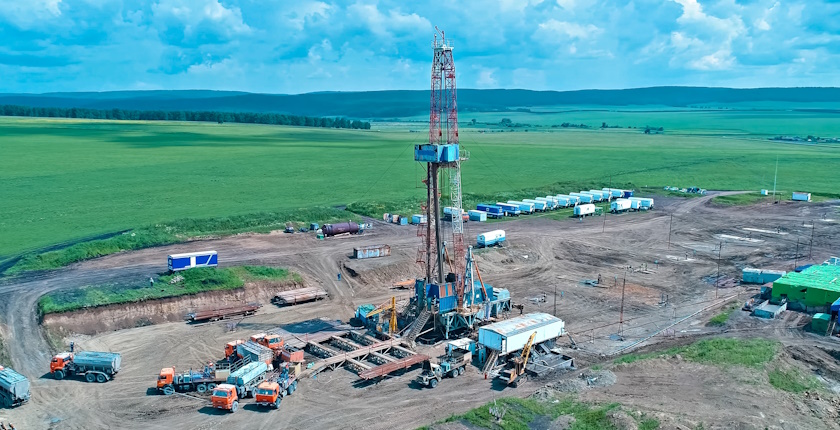
The draft law on hydrocarbon exploration and exploitation will include permanent disposal of carbon dioxide in geological formations of depleted deposits, the Ministry of Mining and Energy of Serbia said.
Serbia has begun work on a draft bill on hydrocarbon exploration and exploitation and the basic principles for the law. The Ministry of Mining and Energy invited interested individuals, expert institutions, representatives of companies and scientific and academic bodies as well as civil society organizations to submit proposals and suggestions via the email address sektor.energetika@mre.gov.rs.
The deadline is January 18. Under development is one of the key regulatory frameworks for mining, given that it entails exploration, exploitation, preparation and transport of hydrocarbons within the process of exploration and exploitation ‒ in particular, oil, natural gas, condensates and other hydrocarbon resources.
In Serbia, the sector is regulated by the Law on Mining and Geological Explorations. It treats hydrocarbons as mineral raw materials for energy. The aim of the forthcoming law is to establish a unique legal and institutional framework for hydrocarbon exploration and exploitation as well as for the exploration of geological structures suitable for underground storage of natural gas and permanent disposal of CO2 in geological formations of depleted deposits in exploitation zones, in line with the highest security and environmental standards.
The forthcoming law needs to facilitate incentives for exploration and the use of geological structures for storing gas and carbon dioxide
The ministry explained that the regulatory framework needs improvement as regards the process of approving exploration and exploitation rights, including alignment with European regulations. It especially concerns directive 94/22/EC on the conditions for granting and using authorizations for the prospection, exploration and production of hydrocarbons, directive 2009/31/EC on the geological storage of carbon dioxide and directive 2013/30/EU on safety of offshore oil and gas operations.
Among the specific goals is the introduction of environmental standards and environmental protection measures in all phases of the process. In the law, the ministry also intends to define investors’ obligations when it comes to remediation, rehabilitation and monitoring. As for gas and CO2 storage, the new framework needs to facilitate incentives for exploration and the use of geological structures for the purpose, within the strategy to lower greenhouse gas emissions.



Be the first one to comment on this article.