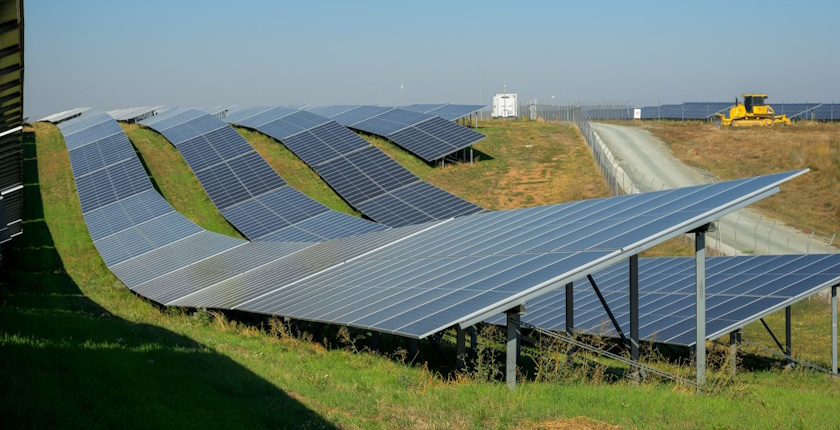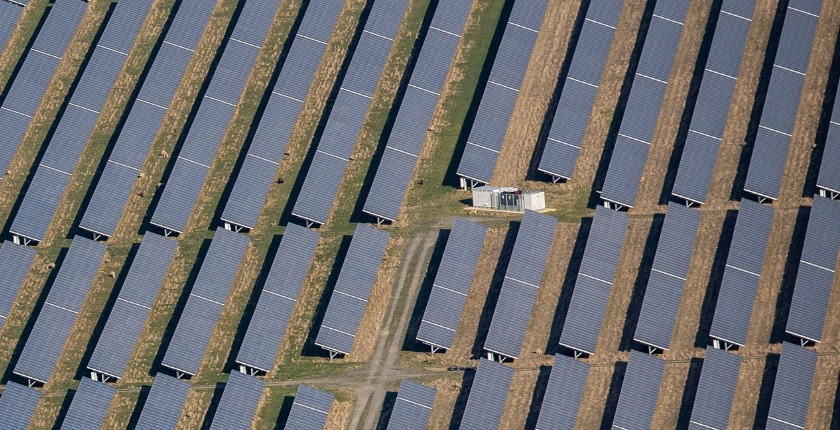


Romania’s state-owned Hidroelectrica canceled a tender within its 1.5 GW solar power project in the Oltenia province. It would be the largest investment in Europe in the sector.
Legislative issues led to the termination of a public call for a contractor for a feasibility study and other documentation for a photovoltaic plant on 2,200 hectares of grade 5, unproductive agricultural land in the Dolj county. Government-controlled hydropower plant operator Hidroelectrica canceled the tender, arguing that it would be “impossible” to conclude the contract, Economica reported.
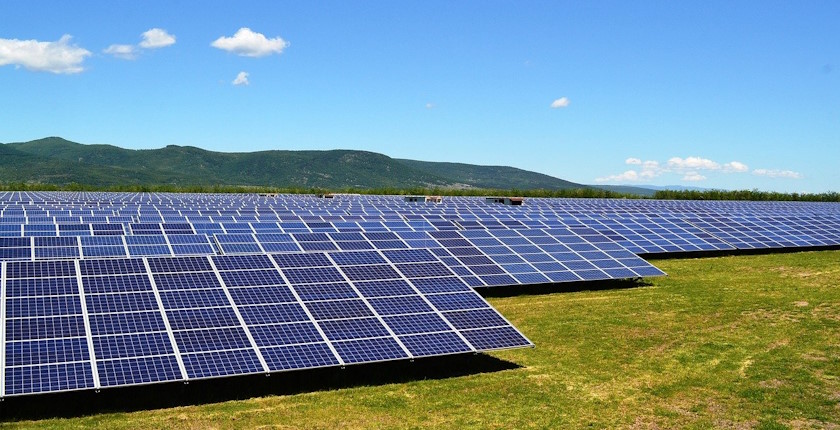
The site for the solar power plant is between Piscul Sadovei and Dăbuleni in Oltenia, Romania’s main coal hub. Envisaged at 1.5 GW, it would be the biggest in Europe. The land, in the country’s southwest, belongs to the State Property Agency (ADS) and the plan was to develop the project through a concession and under a turnkey deal.
The deadline for submitting bids was December 11. According to ADS, there is a possibility of using the area for electricity production and agricultural activities at the same time.
Dolj investment has national importance status
Hidroelectrica has earmarked EUR 604,000 for the studies. Earlier, Romania awarded a national importance status to the Dolj project. It was also supposed to include a 300 MW energy storage facility.
The solar irradiation level is 1.4 MWh per square meter per year, the highest in the country. The solar power plant was planned to be linked to the 400 kV Șânțareni-Kozlodui power line. Annual output was estimated at 1.75 TWh. Hidroelectrica, Romania’s largest electricity producer, intended to invest over EUR 1.2 billion in the facility, the article notes.
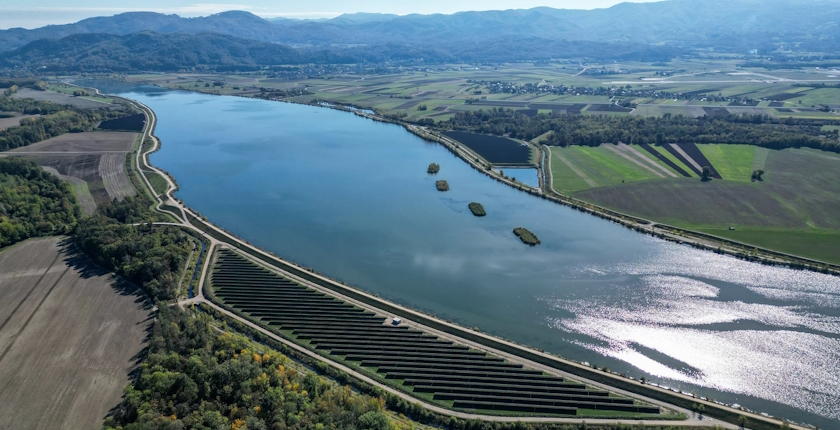
The company is considering a joint investment project for floating solar panels of 1.5 GW in total with its partner Masdar from the United Arab Emirates.
Giant photovoltaic projects in Romania, Bulgaria
Private companies in the renewables sphere have been complaining that the law forbids them to build projects on more than 50 hectares outside urban areas.
Rezolv Energy and Monsson are developing a 1.04 GW solar power project in Arad in Romania’s west. In neighboring Bulgaria, German company Profine Energy intends to install a floating solar power plant. It initially considered 500 MW to 1.5 GW in size, but it recently lowered the upper limit to 800 MW.