


Early next year, The Mobility House (TMH) is set to ramp up the aggregation of Electrohold’s energy assets in Bulgaria under a newly signed deal. It focuses on the planned 2.5 GWh in battery energy storage systems (BESS).
Electricity trading firm Electrohold Trade selected The Mobility House (TMH) to provide advanced aggregation and trading software. The solution will optimize the Bulgarian firm’s portfolio, enhance returns from its energy assets, and support the electricity system’s balance and stability, according to the announcement.
The subsidiary of Eurohold Bulgaria or Eurohold Group (Evrohold) manages a pool of photovoltaic assets and battery energy storage systems. The assets are expected to reach 1 GW and 2.5 GWh, respectively. The full commercial rollout is targeted to begin in the last quarter of 2025, with further rampup expected into early 2026, the company said.
TMH GOING Far beyond traditional feed-in models
Germany-based TMH is active since 2016. Electrohold Trade said it is leveraging the aggregator’s technology to commercialize energy storage systems and maximize returns on its solar power assets through advanced flexibility and intermittence trading – going far beyond traditional feed-in models.
TMH stressed that Electrohold’s energy storage initiative is the largest in Europe.
Colocation project with signaling impact
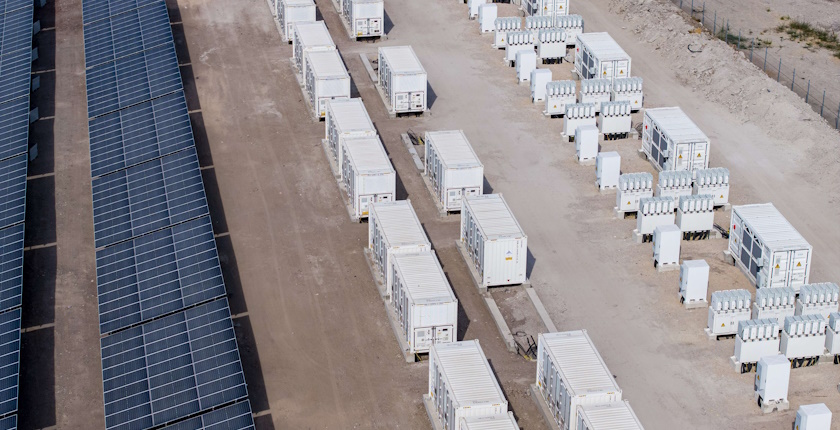
A defining feature of the initiative is its colocation concept, where battery storage systems are installed directly adjacent to solar parks. It enables optimal utilization of both assets, the companies said. By directly linking them, the fluctuating output of renewable energy can be more effectively managed – enhancing grid stability while minimizing the need for expensive grid expansions.
It not only results in improved grid flexibility, but also contributes to the grid’s better balancing, the update reads. The project positions battery storage systems as a central element in Bulgaria’s future energy landscape, leveraging advanced algo trading software and innovative incentive structures to unlock the full potential of renewable integration, the partners added.
“By strategically employing colocation solutions and the latest technology, we are creating a platform that is not only economically attractive but also significantly enhances the technical resilience of the Bulgarian power grid at lower costs,” said Eurohold Bulgaria’s Chair of the Supervisory Board Assen Christov.