


A national solar power project is underway in Cyprus to cover most of the power demand in more than 400 educational institutions. The state will pay EUR 9.6 million in total to the EAC and the contractors over a twenty-year period while all photovoltaic units are scheduled to be built by the end of next year.
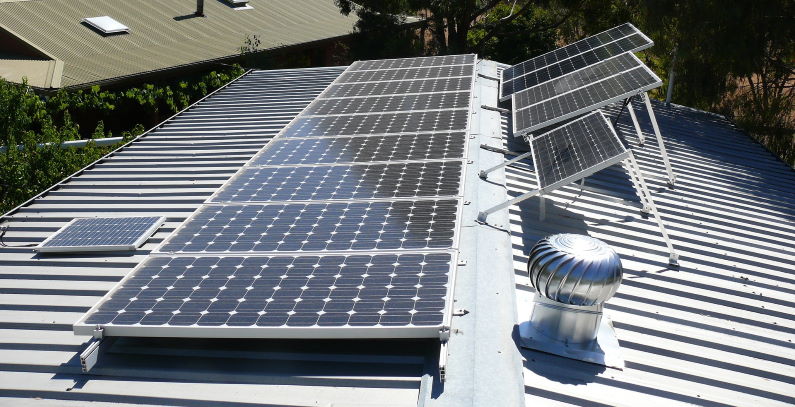
The Electricity Authority of Cyprus (EAC) issued a public call for companies to build rooftop solar power systems in kindergartens, primary and secondary schools. The project for renewables and energy efficiency measures was launched in June of last year with the Ministry of Education and Culture. According to the tender documentation, 405 educational institutions will get photovoltaic panels of 4.2 MW in total.
However, EAC calculated the capacity could reach as much as 4.85 MW, compared to the initial estimate of just above 4 MW. Firms can submit offers until September 25.
Up to 20 kW for every selected school in Cyprus
The winners will get contracts for 3 kW, 5 kW, 10 kW or 20 kW per unit in all regions in Cyprus. The invitation follows the EAC’s technical studies and a public consultation procedure.
The national power utility company gets a EUR 1.3 million deal to maintain the photovoltaic systems for ten years
The tender is divided into 11 lots. Four are for Nicosia, three for Limassol and two sections are for Larnaca, leaving Famagusta and Paphos one each. Contractors can sign deals for up to three lots and the contracts include thermal insulation and waterproofing. They can apply in consortiums.
EAC is responsible for the management of the photovoltaic installations over ten years. The selected schools and kindergartens should cover most of their power demand from the new solar systems.
First rooftop projects could be finished by end-2020
The ministry agreed to repay the national utility company in regular instalments in 20 years. The project’s value is estimated at EUR 8.3 million and the government also needs to cover the maintenance bill of EUR 1.3 million.
EAC expressed optimism that the first solar power units would come online before the end of the year. It said it would select contractors within two months and sign the deals three months after the deadline for submissions.
The chosen companies have 12 months to complete the rooftop systems, the Electricity Authority of Cyprus said.