


The cities of Bor and Užice have decided to ban the construction of small hydropower plants (SHPPs). They joined Kraljevo, Pirot, Paraćin, and Dimitrovgrad, a group of local authorities in Serbia that have already done the same or intend to, citing the damage to the environment.
After two and a half years, the fight against small hydropower plants (SHPPs) launched by the citizens in the region is slowly yielding results.
The City Council of Bor opened a public hearing on the draft spatial plan. The decision must be approved by the local assembly. It began on January 26, scheduled to end on February 3.
All the permits for the construction of SHPPs in Bor have expired
Bor Mayor Aleksandar Milikić said the spatial plan is being changed to ban the construction of SHPPs while that no new permits would be issued.
He also said the city authorities have examined the status of the permits issued so far and found that all of them had expired.
In recent weeks, residents of the villages along the Zlotska river organized protests seeking the ban of the SHPPs.
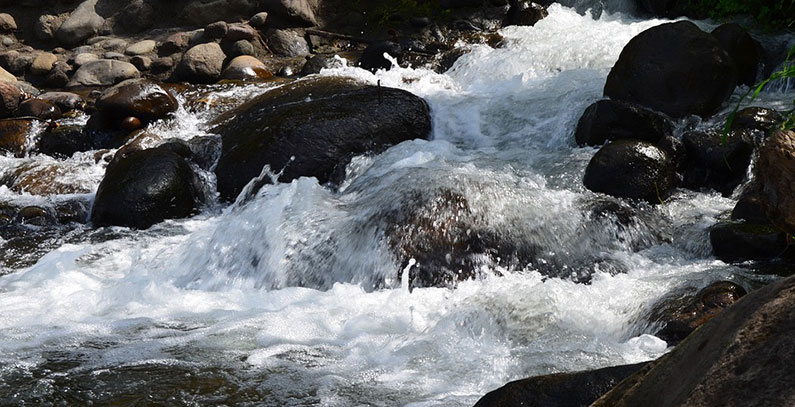
The mayor said that the waterstream must be preserved as it is used to supply the city with drinking water, but also because it is vital for the residents of these villages.
The city of Užice fulfills the promise
The City of Užice has fulfilled the promise given earlier to ban the construction of SHPPs. The local council adopted the decision and passed it on to the assembly.
The development of small hydropower units isn’t allowed until the adoption of amendments to the spatial plan, eKapija reported.
The construction of run-of-river SHPPs will be banned, but with the possibility of installing impoundment-type SHPPs
The change of the zoning plan is set to mark the end of the construction of run-of-river SHPPs, but impoundment-type hydroelectric facilities will be considered with regard to threats for the ecosystem, irrigation and other factors.
Even though the authorities in Serbia announced back in in 2018 that SHPPs would be banned by national legislation, it never happened. It is no surprise that in October residents of a village on the Stara planina mountain range clashed with private security guards and workers accompanying the investor in a small hydropower plant.