






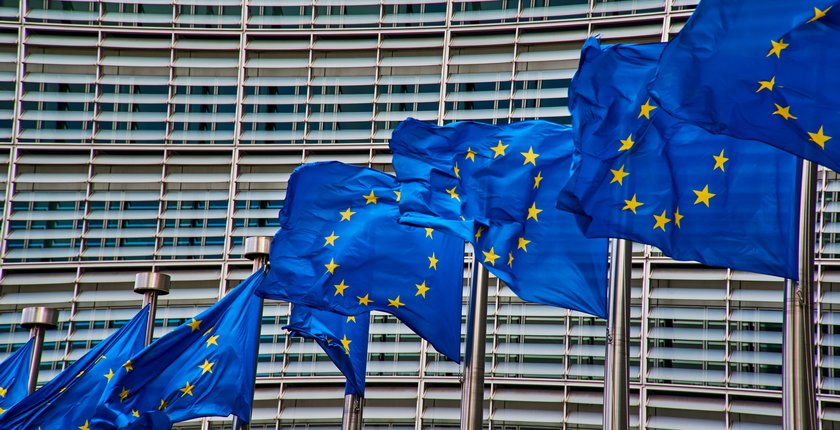
Photo: NakNakNak from Pixabay


The European Commission has proposed a set of measures to alleviate the impact of rising energy prices caused by the war in the Middle East. The AccelerateEU toolbox seeks to ensure coordinated natural gas storage refilling and oil reserve releases, incentivize electrification through tax cuts, secure sufficient jet fuel and diesel supplies in member states, upgrade electricity grids, and speed up the shift to clean energy.
Since the beginning of the conflict in the Middle East, the rising energy prices have increased the EU’s fossil fuel import bill by over EUR 24 billion, or more than EUR 500 million per day, according to European Commissioner for Energy and Housing Dan Jørgensen.
To mitigate the impact on both households and businesses, the European Commission now seeks to ensure that response measures in member states are fully coordinated. This includes the refilling of underground gas storage facilities, exceptional releases of oil stocks, and measures aimed at ensuring the availability of jet fuel and diesel, including the availability of oil refinery production capacities.
The European Commission wants EU member states’ responses to be fully coordinated
The commission proposes setting up a body to track EU production, imports, exports, and stock levels of transportation fuels to enable a swift identification of potential shortages and maintain balanced fuel distribution.
Another goal is to accelerate the shift to homegrown clean energy to replace oil, gas, and transportation fuels. This will be done through measures designed to remove barriers to the electrification of the industrial, transportation, and building sectors, along with an investment plan to facilitate the rollout of sustainable aviation fuels.
Promoting clean energy to replace fossil fuels
The commission will also set an electrification target and publish an action plan to accelerate the shift to clean, homegrown energy and reduce dependence on fossil fuel imports. Jørgensen earlier warned that the EU must prepare for a prolonged crisis due to the Iran war and take steps to reduce oil demand.
When it comes to grids, the first steps are to ensure that current legislation is fully implemented and the negotiations on the European Grids Package are concluded swiftly, the commission said, adding that it will also present a legislative proposal on network charges and taxation to ensure that electricity is taxed less than fossil fuels.
The commission plans to change network charges and taxation to favor electricity over fossil fuels
The commission also highlights maximizing the use of existing renewable energy infrastructure and the rapid repowering of large wind farms and renewable energy plants, including offshore wind parks and hydropower plants, which could quickly deliver additional relief.
The commission said it would help member states make maximum use of available EU funding. However, it noted that public money alone would not cover the cost of the energy transition, estimated at EUR 660 billion a year until 2030.
The European Commission will organize a summit to help mobilize private investment in the energy transition
This would require mobilizing private investment, and the commission will organize a Clean Energy Investment Summit bringing together the financial services industry, including major institutional investors, industrial leaders, project developers, and public financiers.
The proposed measures also include temporary steps to protect consumers and industry from price hikes, such as energy vouchers and lower electricity excise duties for vulnerable households. The commission will also adopt a temporary framework for state aid to provide additional flexibility for national governments to support the most exposed economic sectors.
The proposals will be discussed by EU leaders at an informal meeting in Cyprus this week, according to the press release.


Be the first one to comment on this article.